A 4×4 cross border safari in East Africa offers one of the most rewarding travel experiences for adventure lovers. East Africa combines dramatic landscapes, world-famous wildlife parks, mountain ranges, tropical forests, and vibrant cultures across several neighboring countries. Travelers who choose a cross-border safari enjoy the freedom to explore destinations in Uganda, Rwanda, Kenya, and Tanzania within one unforgettable journey.
Unlike traditional guided tours that follow strict schedules, a 4×4 cross border adventure gives travelers flexibility and independence. You can move at your own pace, stop in local towns, explore hidden attractions, and experience authentic African road trips beyond the usual tourist routes.
East Africa remains one of the best regions in the world for self-drive safaris because the countries share connected ecosystems and major wildlife migration routes. Travelers can begin a safari in Uganda’s gorilla forests, continue to Rwanda’s scenic hills, cross into Kenya’s savannah plains, and end the journey in Tanzania’s Serengeti.
However, planning a successful 4×4 cross border safari requires proper preparation. Border regulations, road conditions, vehicle documentation, visas, park permits and driving distances all play important roles in shaping the experience.
This complete guide explains how to plan a successful 4×4 cross border safari in East Africa, including the best routes, essential travel documents, vehicle requirements, safety tips, budgeting advice, and the top destinations to include in your itinerary.
Why Choose a 4×4 cross border safari in East Africa?

A 4×4 cross border safari allows travelers to experience the diversity of East Africa within one trip. Each country offers unique attractions that complement one another.
Uganda provides gorilla trekking, chimpanzee tracking, and scenic national parks. Rwanda offers luxury gorilla experiences and beautiful mountain landscapes. Kenya attracts visitors with the Maasai Mara and rich wildlife populations, while Tanzania hosts the Serengeti, Ngorongoro Crater, and Mount Kilimanjaro.
Road travel between these countries creates opportunities to explore local cultures, traditional villages, lakes, tea plantations, and roadside markets.
The right 4×4 vehicle becomes essential because many safari roads remain rough, dusty, muddy, or rocky depending on the season. National parks and remote border regions often require vehicles with high ground clearance and reliable suspension systems.
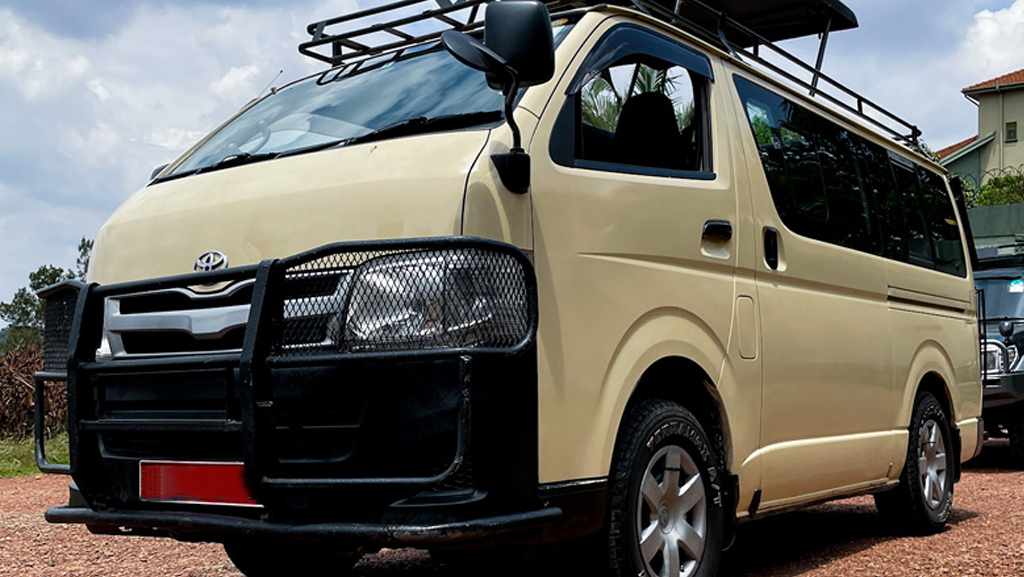
Travelers commonly choose Extended Toyota Land Cruisers, Toyota Prado models, Toyota Hilux pickups, and Toyota Rav4 vehicles for cross-border safaris because these models perform well on East African terrain.
Choosing the best vehicle for a 4×4 cross border safari
Your choice of vehicle plays a major role in the success of a 4×4 cross border safari. Travelers should select vehicles designed for long-distance African road trips.
A reliable 4×4 vehicle should include good ground clearance, durable tires, functioning air conditioning, spare tires, recovery/emergency tools, and enough luggage space.
Travelers planning camping safaris often prefer rooftop tent vehicles because they increase flexibility and reduce accommodation costs.
Before starting the journey, inspect the vehicle carefully. Confirm the condition of brakes, headlights, spare tires, engine performance, battery, and suspension.
Many experienced travelers recommend renting from established safari car rental companies that specialize in East African self-drive adventures. Cross-border travel also requires official vehicle authorization documents from the rental company.
Important documents for a 4×4 cross border safari
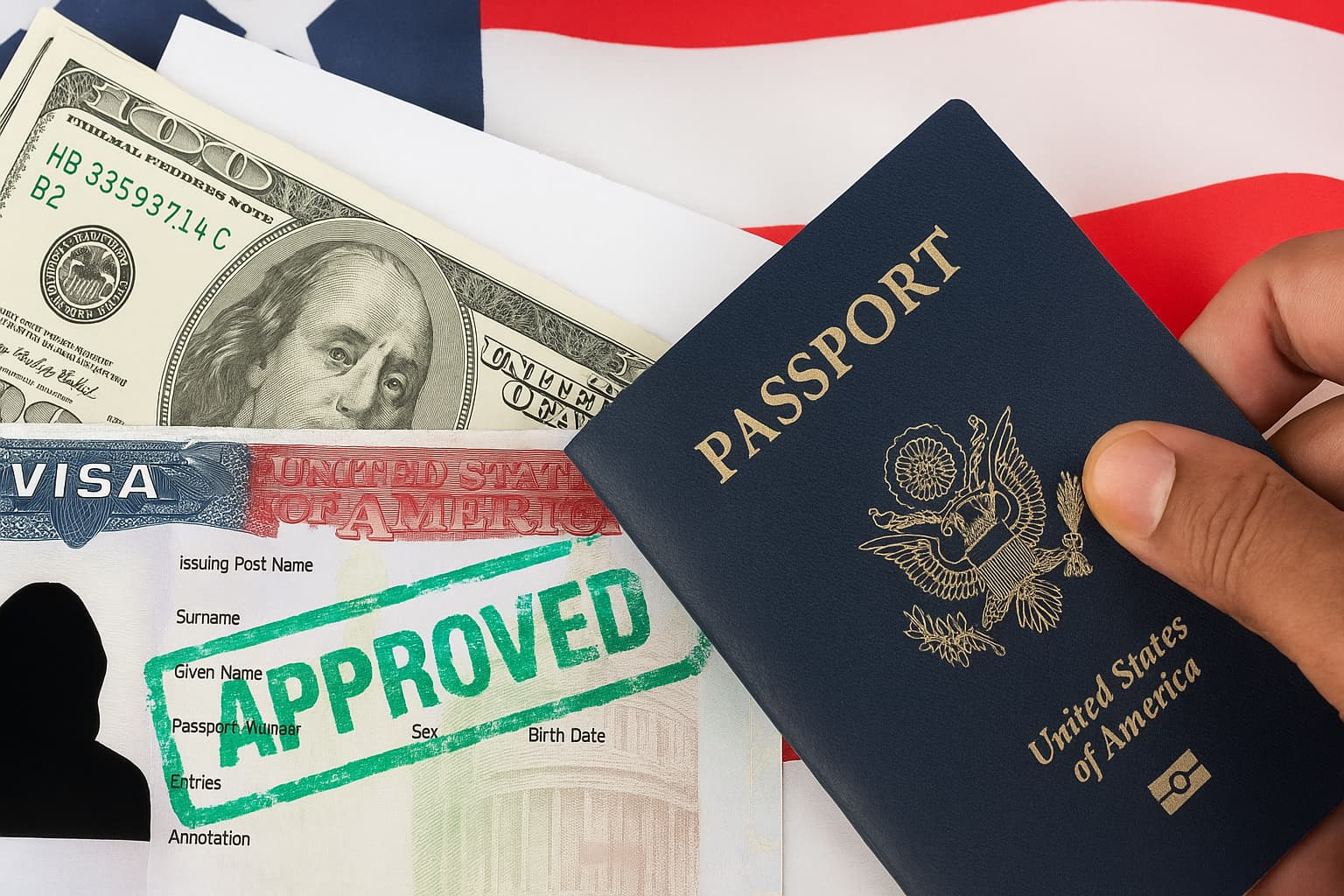
Travelers planning a 4×4 cross border safari must prepare several important travel documents before departure.
A valid passport with at least six months validity remains mandatory for entry into East African countries. Most travelers also require visas. The East African Tourist Visa provides one of the most convenient options because it allows travel between Uganda, Rwanda, and Kenya using a single visa.
Tanzania currently operates separate visa requirements, so travelers should confirm regulations before travel.
Vehicle-related documents remain equally important. Cross-border travelers usually need original vehicle registration documents, COMESA insurance certificate, cross-border authorization letter from the rental company, valid driving permit (for self-drive). Note that an International Driving Permit may be required for some nationalities so endeavor to crosscheck with your car rental provider. Border officials may request these documents during inspections.
Travel insurance that covers medical emergencies and evacuation also provides additional security during long-distance road trips.
Most importantly, all East African countries require travelers to have the yellow fever vaccination certificate. Endeavor to have one before your travel.
Best countries for a 4×4 cross border safari in East Africa
- Uganda and Rwanda 4×4 Cross Border Safari
Uganda and Rwanda create one of the most popular safari combinations in East Africa.
Travelers often begin in Uganda with wildlife safaris in Queen Elizabeth National Park, chimpanzee trekking in Kibale Forest, and gorilla trekking in Bwindi Impenetrable National Park.
The safari then continues into Rwanda through the Cyanika or Katuna border posts. Rwanda offers beautiful landscapes, thick vegetation, clean roads, luxury lodges, and Volcanoes National Park for gorilla trekking.
The drive between Uganda and Rwanda features mountain scenery, rolling hills, and vibrant local communities.
- Kenya and Tanzania 4×4 cross border safari
Kenya and Tanzania remain famous for classic African wildlife safaris. Many travelers combine Maasai Mara National Reserve in Kenya with Serengeti National Park in Tanzania. These parks share connected ecosystems and host the Great Wildebeest Migration, one of the world’s most spectacular wildlife events.
Travelers can also include Amboseli National Park, Ngorongoro Crater, Lake Manyara, and Tarangire National Park within one itinerary. Road conditions vary across these regions, making a reliable 4×4 cross border vehicle extremely important.
- Uganda, Kenya, Rwanda, and Tanzania combined safari
Adventure travelers seeking extended road trips often combine all four countries. This type of 4×4 cross border safari can last several weeks and provides unmatched diversity.
Travelers experience mountain gorillas, chimpanzees, savannah wildlife, Maasai culture, volcanic landscapes, tropical forests, and East African lakes within one journey.
Such trips require detailed route planning, budgeting, and vehicle preparation.
Planning your 4×4 cross border safari route

Route planning forms one of the most important parts of a successful safari. Travelers should calculate driving distances carefully because East African roads often require longer travel times than expected.
For example, a route that appears short on a map may involve rough dirt roads, wildlife crossings, or mountain terrain that slows travel significantly.
Experienced travelers recommend avoiding nighttime driving because road visibility decreases and wildlife movement increases after dark.
More so, fuel stations become limited in remote areas, especially near national parks. Travelers should refuel whenever opportunities arise and in some cases pack fuel in specialized cans provided by the car rental agency.
Offline navigation apps such as Google Maps offline mode or Maps.me help travelers navigate regions with limited internet access.
Best time for a 4×4 cross border safari
The dry seasons provide the best conditions for a 4×4 cross border safari. In East Africa, the main dry seasons occur from June to September and from December to February.
Wildlife viewing improves during dry months because animals gather near rivers and waterholes.Road conditions also become more manageable compared to rainy periods.
During rainy seasons, many park roads become muddy and slippery. Some remote routes may become difficult to access without experienced driving skills.
However, rainy seasons also offer fewer tourists, greener landscapes, and lower accommodation rates.
Travelers interested in the Great Migration should plan carefully because wildebeest movement changes throughout the year.
Budgeting for a 4×4 cross border safari
A successful safari requires realistic budgeting. Major safari expenses include vehicle rental, fuel, visas, park entry fees, accommodation, food, travel insurance, and activity permits.
Gorilla trekking permits in Uganda and Rwanda represent some of the highest safari costs. Uganda’s permits currently cost significantly less than Rwanda’s permits, making Uganda popular among budget-conscious travelers.
Also, fuel expenses also increase during long-distance road trips across multiple countries. Because of the recent Iranian war, fuel prices have significantly gone up and there is a registered scarcity of fuel in the region. It is therefore important to plan for fuel with your car rental agent to avoid underbudgeting.
Camping safaris reduce accommodation costs and provide more flexibility for travelers exploring remote areas. For such long cross-border trips, we always recommend travelers to rent vehicles with rooftop tents.
Travelers should also budget for emergency expenses, vehicle repairs, border fees, and local guides where necessary.
Accommodation options during a 4×4 cross border safari
East Africa offers accommodation options for all travel budgets.
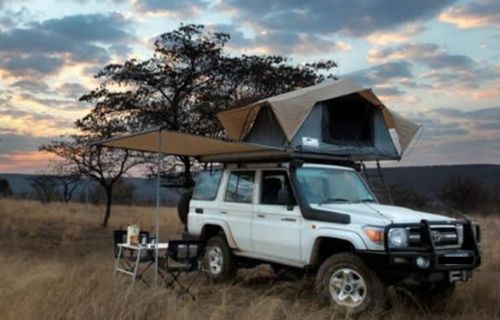
Budget travelers often choose campsites, hostels, and guesthouses near national parks. The most popular accommodation among cross-border travelers is rooftop camping because of the convenience it offers. Travelers using rooftop tent vehicles enjoy the freedom to camp near major attractions while reducing overall travel costs.
Mid-range lodges provide comfortable safari experiences with restaurant services, private rooms, and organized activities. Luxury safari lodges deliver premium experiences with fine dining, private game drives, and spectacular wildlife views.
It is very important to book accommodation in advance during peak travel seasons.
Safety tips for a successful 4×4 cross border safari
Safety remains extremely important during self-drive safaris.
- Travelers should avoid driving after sunset because roads may contain livestock, wildlife, potholes, or poorly marked sections.
- Border regions and remote areas sometimes experience limited phone network coverage, so travelers should inform others about their routes.
- Keeping emergency contacts, first aid kits, extra drinking water, and backup cash improves preparedness.
- Travelers should also respect local driving regulations because police checkpoints remain common throughout East Africa.
- Inside national parks, drivers must follow speed limits and avoid disturbing wildlife. Wild animals can become unpredictable, especially elephants, buffaloes, and predators.
- It is also vital to learn and follow the local traffic guidelines. Much as East Africa is one entity, each country has its own traffic rules and regulations and driving styles may differ in each country.
Wildlife experiences during a 4×4 cross border safari
One of the greatest advantages of a 4×4 cross border safari is the incredible wildlife diversity.
Travelers can encounter gorillas in Uganda and Rwanda, witness the Great Migration in Kenya and Tanzania, and observe elephants, lions, leopards, giraffes, hippos, and rhinos across multiple ecosystems.
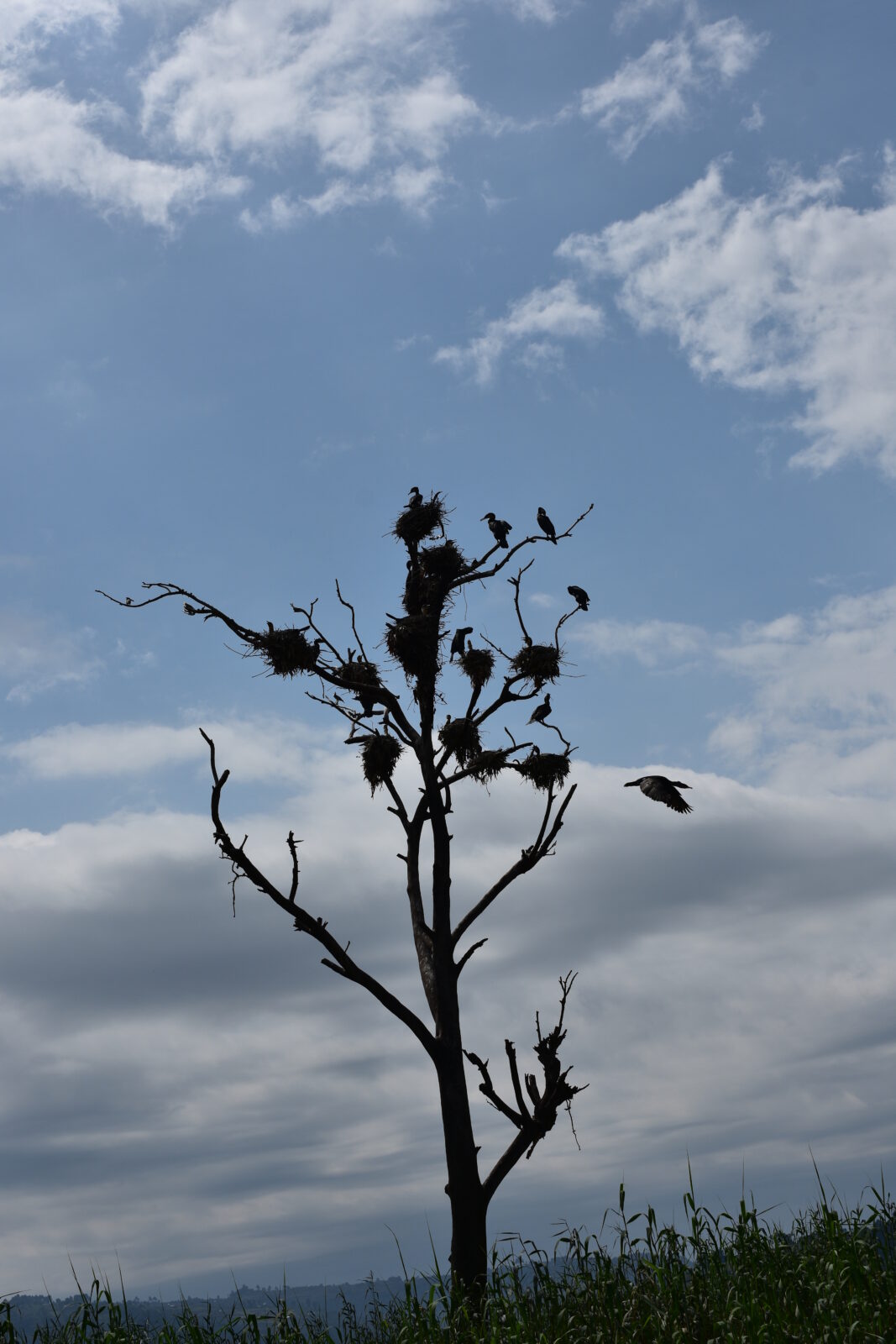
East Africa also ranks among the world’s top birdwatching regions with thousands of recorded bird species. National parks such as Serengeti, Maasai Mara, Queen Elizabeth, Murchison Falls, Amboseli, and Ngorongoro Crater provide unforgettable wildlife experiences.
The freedom of self-driving allows travelers to spend more time at sightings and explore less crowded safari areas.
Cultural experiences on a 4×4 cross border safari
A successful safari includes more than wildlife. East Africa’s cultures add richness and authenticity to road trips. Travelers can visit Maasai villages in Kenya and Tanzania, Batwa communities in Bwindi Forest, and traditional markets throughout Uganda and Rwanda.
Local food experiences, music, dance performances, and handicraft markets create deeper connections with East African communities. Responsible tourism supports local economies while preserving cultural heritage.
Final thoughts
Travelers increasingly prefer self-drive adventures because they provide freedom and flexibility. A 4×4 cross border safari allows spontaneous detours, scenic stops, and personalized itineraries that organized group tours rarely provide.
The combination of adventure, independence, and cultural discovery creates lasting travel memories. East Africa’s improving road networks and tourism infrastructure continue to make cross-border safaris more accessible for international visitors.
Planning a successful 4×4 cross border safari in East Africa requires careful preparation, reliable vehicles, and realistic travel expectations. Travelers who organize routes properly, secure the correct documents, and choose suitable safari seasons enjoy unforgettable adventures across some of Africa’s most iconic destinations.
A dependable 4×4 cross border vehicle provides the confidence needed to navigate remote roads, national parks, and changing weather conditions throughout the trip. With proper planning and an adventurous spirit, a 4×4 cross border safari becomes more than just a vacation. It becomes a life-changing journey through some of the most beautiful and diverse landscapes on the African continent.
Overall, do not forget to contact Jungle Car rental Uganda for affordable 4×4 cross-border packages for a memorable safari.