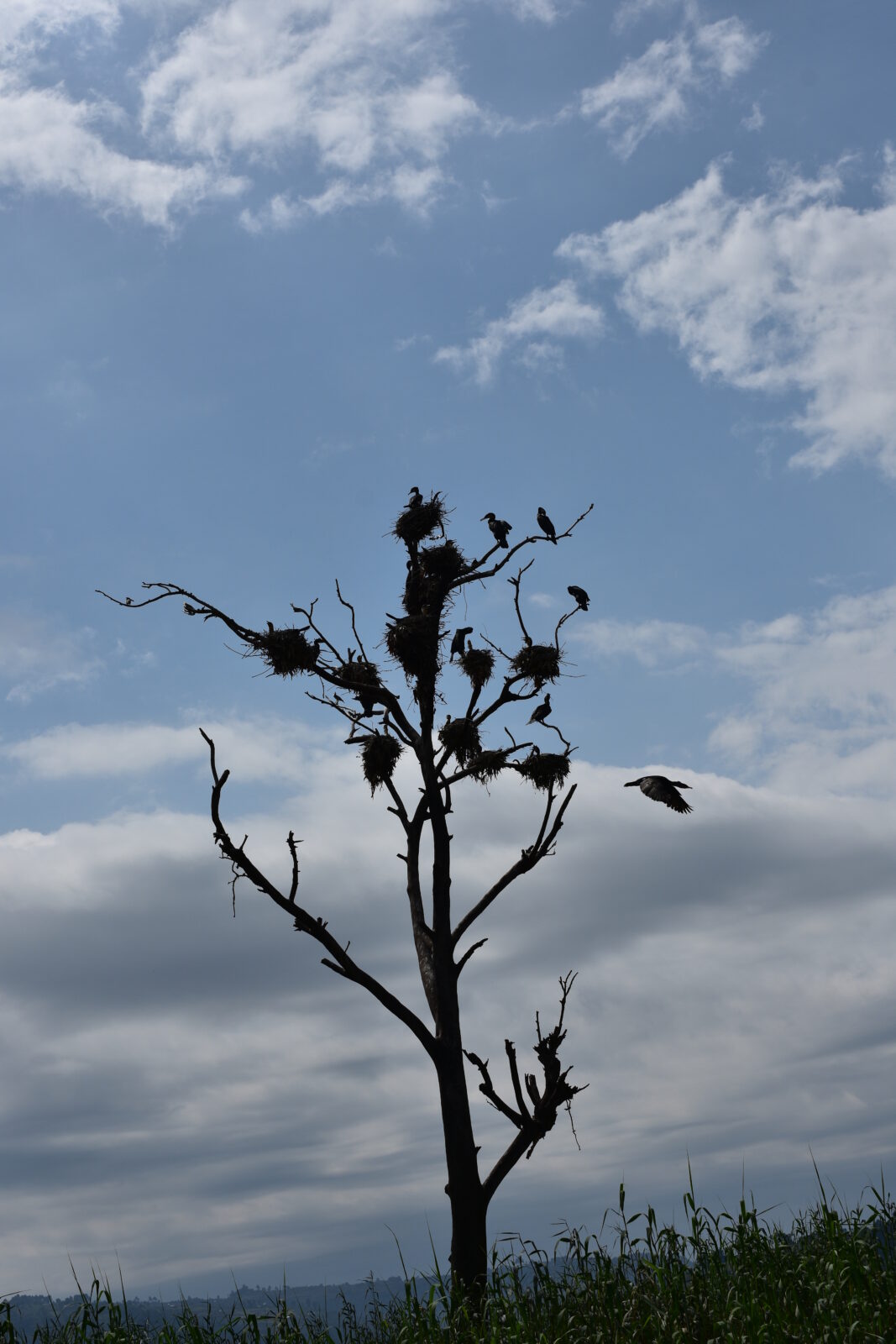
Many travelers assume they should avoid Uganda during the rainy months, but that is far from the truth. Uganda car rental services remain active throughout the year because the wet season offers unique experiences that many visitors never get to enjoy. The landscapes become greener, waterfalls grow more spectacular, wildlife remains abundant, and national parks welcome fewer tourists. With proper planning and the right vehicle, traveling during the rainy season can become one of the most rewarding ways to explore the Pearl of Africa.
Uganda experiences two rainy seasons in most parts of the country. The long rains usually occur from March to May, while the short rains arrive between September and November. Rain rarely falls throughout the entire day. Instead, heavy showers often occur during the afternoon or at night before giving way to sunshine. Travelers who understand these weather patterns can plan their activities comfortably and enjoy a memorable safari.
Why Visit Uganda During the Wet Season?
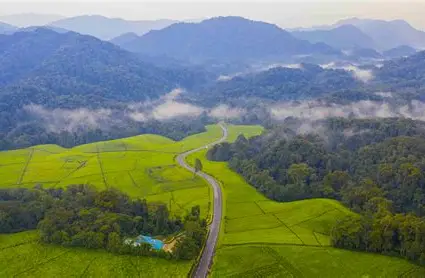
The wet season transforms Uganda into one of Africa’s most beautiful destinations. Fresh rain revives forests, grasslands, wetlands, and mountains, creating stunning scenery across the country.
National parks become lush and vibrant. Rivers fill with fresh water, waterfalls become more powerful, and forests display rich shades of green. Photographers often prefer this season because landscapes appear more colorful and dramatic than during the dry months.
Many lodges also reduce their accommodation rates during the rainy season. Travelers can enjoy luxury experiences at lower prices while avoiding the crowds common during peak travel months.
A reliable Uganda car rental allows visitors to access these beautiful destinations comfortably despite changing weather conditions.
Understanding Uganda’s Wet Season Weather
Uganda enjoys a tropical climate throughout the year, but rainfall patterns vary across different regions.
The central and western regions receive the highest rainfall during March, April, May, October, and November. On the other hand, northern Uganda experiences fewer rainy days, while some eastern regions receive rainfall almost throughout the year.
Daytime temperatures generally range between 23°C and 28°C in Kampala and many surrounding areas. Morning temperatures usually remain between 17°C and 20°C.
The southwestern highlands around Kabale, Kisoro, and Bwindi stay cooler because of their higher elevation. Temperatures there may range between 10°C and 22°C.
Although rain becomes more frequent, many days still offer several hours of sunshine. Travelers should expect changing weather rather than constant rainfall.
Road Conditions During the Rainy Season
Road conditions change considerably once the rains begin.
Major highways connecting Kampala with Mbarara, Fort Portal, Jinja, Gulu, and Masaka remain accessible throughout the year because they are largely paved.
Challenges begin after leaving the main highways. Gravel roads inside national parks and rural communities often become muddy and slippery after heavy rainfall. Some sections develop deep puddles, while others become difficult for ordinary vehicles.
Travelers planning to visit Bwindi Impenetrable National Park, Mgahinga Gorilla National Park, Kidepo Valley National Park, or remote lodges should prepare for rough driving conditions.
A dependable Uganda car rental with four-wheel drive becomes essential during the rainy season. It provides better traction, improved stability, and higher ground clearance on muddy roads.
Drivers should also allow extra travel time because wet roads naturally reduce driving speeds.
Choosing the Right Uganda Car Rental for Rainy Conditions
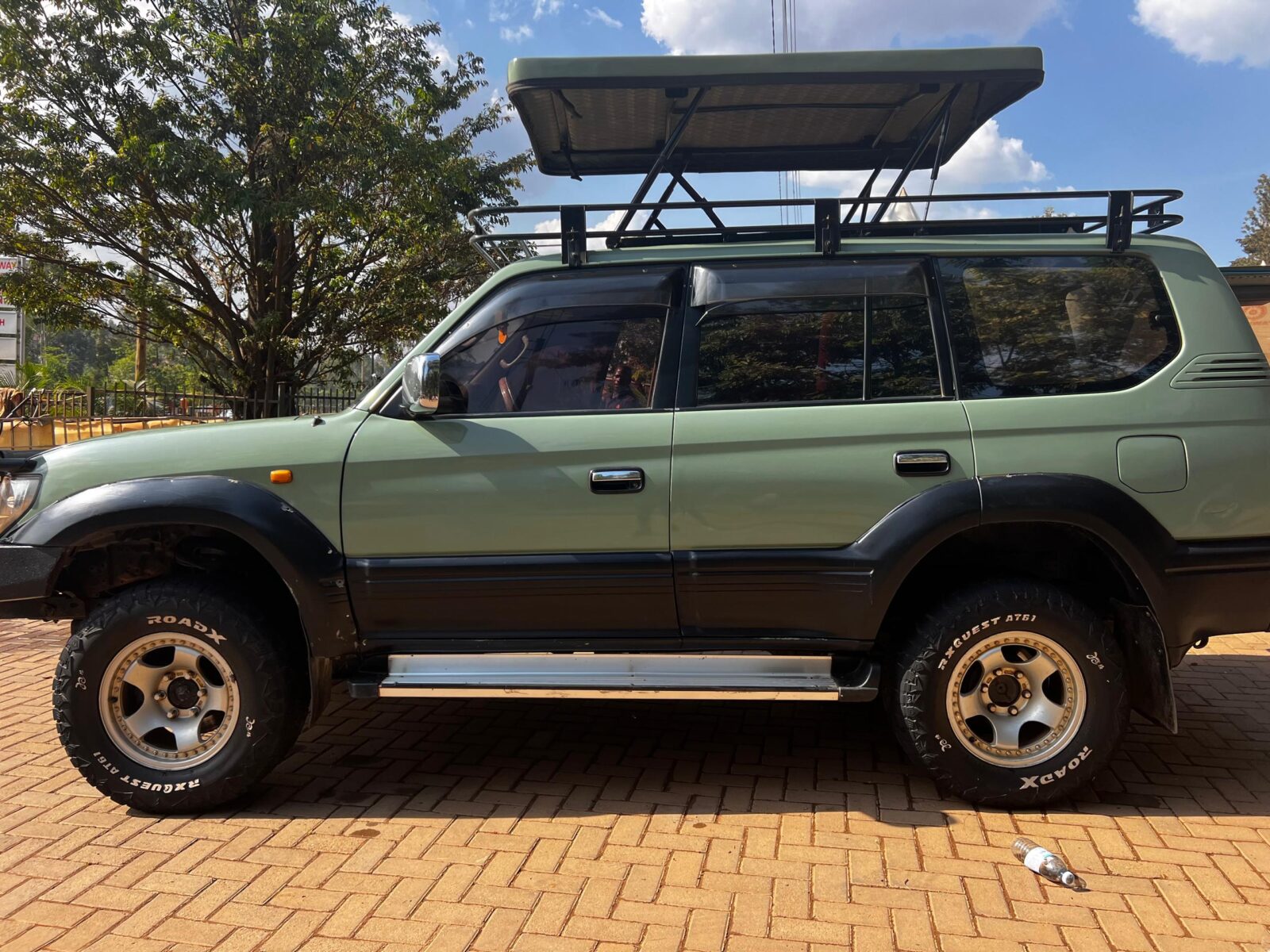
Vehicle selection becomes even more important during the wet season.
Small city cars perform well within Kampala and other urban centers. However, they struggle on muddy roads leading to many tourist attractions.
The Toyota Rav4 remains a popular choice for couples visiting several national parks. It handles moderate off-road conditions while remaining economical.
The Toyota Land Cruiser Prado offers an excellent balance of comfort and off-road capability. Many travelers choose this model because it performs confidently on slippery roads while providing enough space for luggage and camping equipment.
The Land Cruiser V8 suits travelers seeking greater comfort on extended safaris through remote regions.
Safari Land Cruisers with pop-up roofs remain ideal for wildlife viewing even during the rainy months because they comfortably navigate challenging terrain.
Travelers planning camping adventures often prefer the Land Cruiser 70 Series because of its exceptional durability and strong off-road performance.
Choosing the right Uganda car rental greatly reduces travel challenges during unpredictable weather.
Is It Safe to Travel During Uganda’s Rainy Season?
Yes. Uganda remains a safe destination throughout the year, including the rainy season.
However, road conditions simply require greater caution. Drivers should reduce speed on wet surfaces and avoid sudden braking where roads become slippery.
Flooding occasionally affects a few low-lying roads after exceptionally heavy rainfall. Local authorities and experienced rental companies usually provide updated travel advice whenever necessary.
Night driving should remain limited because rain reduces visibility and increases the likelihood of encountering livestock, cyclists, or pedestrians.
Visitors should also avoid crossing flooded roads because water depth often proves difficult to judge. Following guidance from your Uganda car rental company helps ensure a safe and enjoyable journey.
Packing for Uganda’s Wet Season
Packing appropriately makes rainy season travel far more comfortable.
- Lightweight clothing remains suitable because daytime temperatures stay warm despite the rainfall. Breathable fabrics dry quickly and remain comfortable throughout the day.
- A waterproof rain jacket becomes one of the most important items to carry. Afternoon showers often arrive unexpectedly, especially in western Uganda.
- Waterproof hiking boots help visitors navigate muddy trails during gorilla trekking and nature walks. Comfortable sandals also prove useful around lodges.
- Travelers should pack several pairs of quick-drying socks because wet feet quickly become uncomfortable during long hikes.
- A waterproof backpack protects cameras, laptops, passports, and other valuables from rain.
- An umbrella provides additional protection while walking around towns and lodge compounds.
- Insect repellent remains essential because mosquito activity increases after rainfall. Sunscreen also remains necessary since strong sunshine frequently follows rain showers.
- A reusable water bottle, flashlight, binoculars, camera equipment, travel adapter, and personal medications complete an ideal packing list.
Gorilla Trekking During the Wet Season
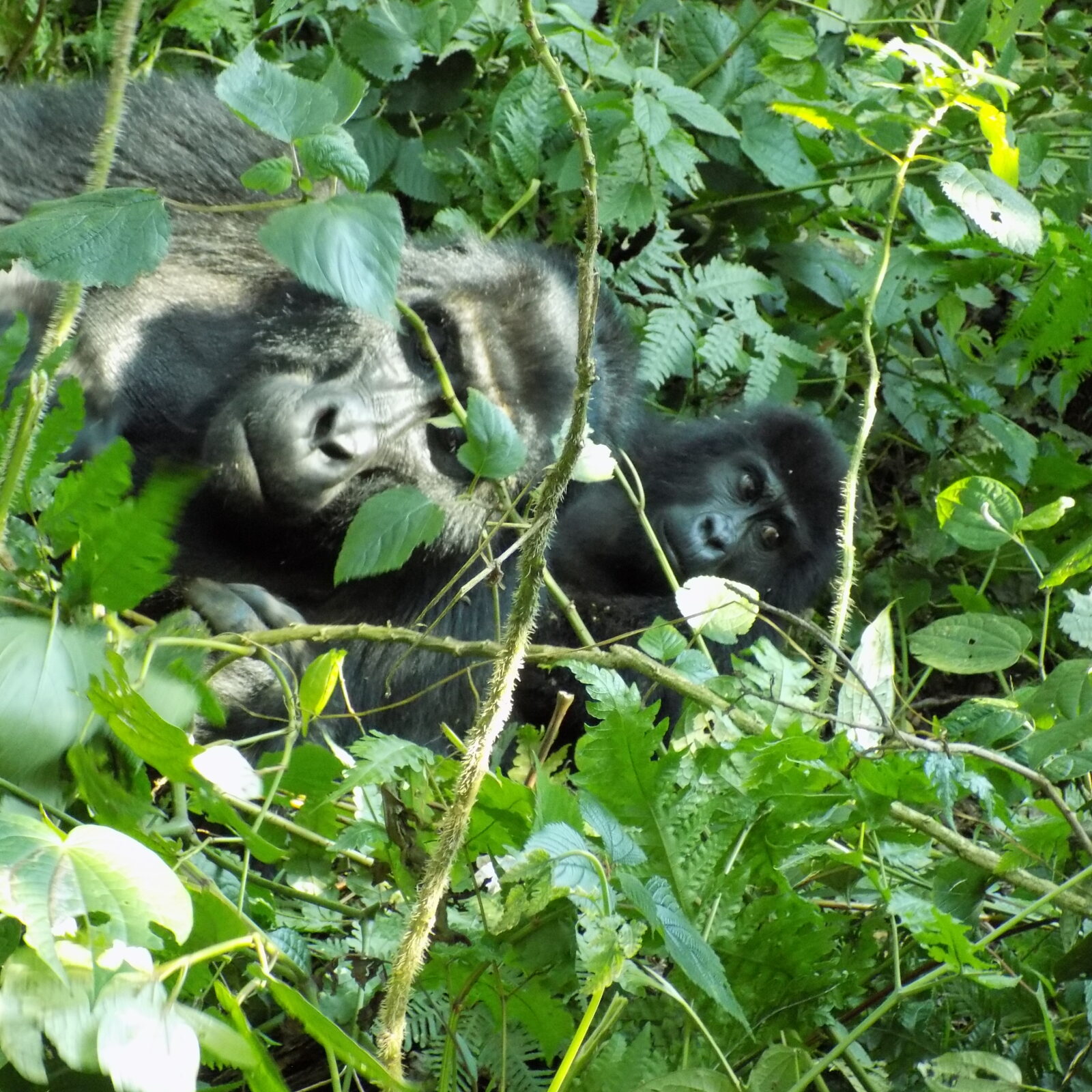
Many travelers wonder whether gorilla trekking remains worthwhile during the rainy months.
The answer is absolutely yes.
The forests become more beautiful after rainfall, creating unforgettable scenery for photography and wildlife encounters.
Mountain gorillas rarely move far because fresh vegetation grows abundantly throughout the forest. Rangers sometimes locate gorilla families more quickly than during the dry season.
Hiking becomes more physically demanding because trails become muddy and slippery. Waterproof boots, gaiters, gloves, and rain jackets significantly improve comfort throughout the trek.
Booking permits early remains advisable because daily permit numbers remain limited despite lower visitor numbers.
Wildlife Viewing During the Rainy Season
Wildlife remains abundant throughout Uganda’s national parks during the wet season. Animals spread across larger grazing areas because water becomes available almost everywhere. This sometimes makes wildlife slightly harder to locate compared to the dry season.
However, experienced guides still deliver excellent sightings of elephants, lions, buffaloes, giraffes, leopards, zebras, and numerous antelope species.
Birdwatching actually improves during the rainy season.
Migratory birds arrive from Europe and Asia, joining Uganda’s resident bird population. With more than 1,090 recorded bird species, Uganda becomes one of Africa’s finest birding destinations.
The vibrant green landscapes also produce spectacular safari photographs.
Fuel Availability During the Rainy Season
Fuel remains widely available throughout Uganda regardless of the season. Major towns such as Kampala, Mbarara, Masaka, Fort Portal, Gulu, Kabale, and Jinja maintain reliable fuel supplies.
Travelers visiting remote destinations should continue refueling whenever opportunities arise. Heavy rain occasionally slows travel, making fuel planning even more important for long-distance road trips.
Most Uganda car rental companies explain fuel stops before departure and recommend suitable refueling locations along planned routes.
Internet and Communication
Mobile network coverage remains reliable across Uganda during the rainy season. MTN Uganda and Airtel Uganda continue providing the country’s strongest coverage.
Remote conservation areas may experience weaker signals because of their location rather than weather conditions.
Travelers should download offline maps before beginning longer journeys through remote regions.
Portable power banks also become useful because extended drives and photography quickly drain phone batteries.
Health Tips for Rainy Season Travel
Travelers should receive all recommended vaccinations before arriving in Uganda. Yellow fever vaccination remains mandatory for entry into the country. Rain increases mosquito breeding, making malaria prevention particularly important.
Visitors should wear long sleeves during evenings, sleep under mosquito nets where available, and use effective insect repellents.
Safe drinking water remains essential throughout the journey. Bottled or properly filtered water helps prevent stomach illnesses.
Comprehensive travel insurance covering medical treatment and emergency evacuation provides valuable peace of mind.
Driving Tips During Wet Weather
Driving techniques should adapt to changing road conditions.
- Maintain slower speeds whenever roads become wet or muddy. Gentle braking reduces the risk of skidding.
- Increase following distances because stopping distances become longer after rainfall.
- Avoid driving through standing water unless local guides confirm it is safe.
- Check weather forecasts before beginning long journeys into remote regions.
- Inspect tires regularly because good tread improves grip on slippery surfaces.
- Most importantly, never underestimate muddy roads. Even experienced drivers benefit from using four-wheel drive whenever conditions become challenging.
Booking Your Uganda Car Rental During the Rainy Season
The rainy season usually experiences lower tourist numbers than the dry season.
Many travelers benefit from reduced accommodation prices and greater vehicle availability.
Even so, booking your Uganda car rental in advance remains advisable, especially if you require a Land Cruiser Prado, Safari Land Cruiser, rooftop camping vehicle, or chauffeur-driven safari vehicle.
Reputable rental companies inspect vehicles thoroughly before every rental to ensure they perform safely in wet conditions.
Final Thoughts
Uganda’s rainy season offers travelers an entirely different perspective of the country’s remarkable beauty. Green landscapes, dramatic waterfalls, fewer crowds, lower accommodation costs, and excellent birdwatching create unforgettable safari experiences that many visitors overlook.
Success during the wet season depends largely on preparation. Most importantly, selecting a dependable Uganda car rental ensures you can travel safely through changing road conditions while enjoying every destination with confidence. A well-maintained four-wheel-drive vehicle allows you to explore Uganda’s mountains, forests, lakes, and national parks without unnecessary stress.