Chimpanzee trekking in Uganda offers one of the most exciting wildlife experiences in Africa. Uganda hosts some of the continent’s most accessible and well-protected chimpanzee habitats, giving travelers the rare opportunity to observe these intelligent primates in their natural environment. Uganda equally provides unforgettable chimpanzee encounters for nature lovers and adventure travelers.
Uganda stands out as a leading primate destination because it protects nearly 5,000 chimpanzees across different forest ecosystems. Travelers who choose chimpanzee trekking in Uganda enjoy more than just wildlife sightings. The journey also introduces visitors to beautiful crater lakes, scenic countryside landscapes, diverse birdlife, and rich local cultures.
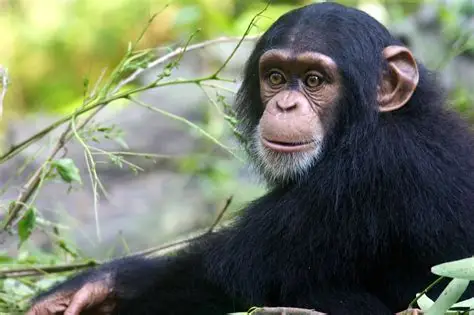
Chimpanzees share about 98 percent of human DNA, making their behavior fascinating to observe. During a trekking experience, travelers often witness chimpanzees grooming, feeding, hunting, playing, and communicating through loud vocal calls. These close encounters create powerful memories while supporting conservation efforts and local communities.
This complete travel guide explains everything travelers need to know about chimpanzee trekking in Uganda, including the best destinations, permit costs, trekking rules, best travel seasons, accommodation options, and essential preparation tips.
Why choose chimpanzee trekking in Uganda?
Chimpanzee trekking attracts travelers because the country offers excellent primate viewing opportunities at competitive prices compared to many African destinations. Uganda combines high chimpanzee populations with well-organized trekking experiences in protected forests.
Travelers can explore different ecosystems while searching for habituated chimpanzee groups. Uganda also offers the chance to combine chimpanzee trekking with gorilla trekking, wildlife safaris, birdwatching, and cultural tours.
Many visitors prefer Uganda because chimpanzee permits remain more affordable than similar experiences in neighboring countries. Uganda’s forests also provide excellent biodiversity, allowing travelers to encounter monkeys, forest elephants, butterflies, and hundreds of bird species during treks.
Chimpanzee trekking in Uganda supports wildlife conservation and community development. Revenue from permits helps fund national parks, protect forests, and support local communities living near conservation areas.
Best places for chimpanzee trekking in Uganda
Uganda offers several excellent destinations for chimpanzee trekking. Each location provides unique landscapes, trekking conditions, and wildlife experiences.
Kibale Forest National Park for chimpanzee trekking in Uganda
Kibale Forest National Park remains the most popular destination for chimpanzee trekking in Uganda. Located in western Uganda near Fort Portal, Kibale protects approximately 1,500 chimpanzees along with 12 other primate species.
The forest contains a mix of tropical rainforest, swamps, and grasslands that support incredible biodiversity. Chimpanzee sightings in Kibale are highly successful because the chimpanzees are well habituated to human presence.
Guided treks usually begin early in the morning or in the afternoon. Rangers lead visitors through forest trails while tracking chimpanzee movements based on vocal calls and nesting areas.
Once travelers locate the chimpanzees, they spend one hour observing their behavior. Visitors often watch chimpanzees swinging through trees, feeding on fruits, grooming each other, and caring for young offspring.
Kibale Forest also offers the famous chimpanzee habituation experience, which allows travelers to spend an entire day with researchers and chimpanzees.
Budongo Forest
Budongo Forest Reserve lies near Murchison Falls National Park and offers another outstanding chimpanzee trekking experience.
The forest forms part of the larger Murchison Falls Conservation Area and contains one of East Africa’s largest mahogany forests. Budongo protects several habituated chimpanzee communities and attracts travelers seeking less crowded trekking experiences.
Chimpanzee trekking in Budongo often includes sightings of black-and-white colobus monkeys, olive baboons, forest birds, and butterflies. The forest’s well-maintained trails make trekking relatively comfortable compared to steeper regions. Many travelers combine Budongo chimpanzee trekking with wildlife safaris in Murchison Falls National Park.
Kyambura Gorge
Kyambura Gorge, located within Queen Elizabeth National Park, offers one of Uganda’s most scenic chimpanzee trekking locations. The gorge cuts through open savannah landscapes and creates a hidden tropical forest environment often called the “Valley of Apes.” Travelers descend into the gorge while searching for chimpanzees hidden beneath dense forest canopies.
Chimpanzee trekking in Kyambura Gorge provides a unique contrast between savannah wildlife and tropical forest ecosystems. Visitors may spot elephants, buffaloes, and antelopes before entering the gorge.
Chimpanzee sightings in Kyambura can be less predictable compared to Kibale, but the dramatic scenery and adventurous terrain create an exciting trekking experience.
Kalinzu Forest
Kalinzu Forest Reserve offers another excellent destination for chimpanzee trekking in Uganda. Located near Queen Elizabeth National Park, Kalinzu contains several habituated chimpanzee groups. The forest provides a more affordable trekking option while still delivering rewarding chimpanzee encounters. Kalinzu also supports diverse birdlife, butterflies, and monkey species.
Travelers who prefer quieter trekking experiences often choose Kalinzu because it receives fewer visitors than Kibale Forest.
Best time for chimpanzee trekking in Uganda
In Uganda, chimpanzee trekking takes place throughout the year, but the dry seasons provide the best trekking conditions. The main dry seasons occur between June and September and between December and February. During these months, forest trails remain less muddy and easier to navigate.
Chimpanzees also move more predictably during dry periods because food sources become concentrated in specific areas. The rainy seasons from March to May and October to November create wetter and more slippery trekking conditions. However, some travelers prefer the rainy season because forests appear greener and tourist numbers decrease.
Uganda’s climate remains relatively moderate throughout the year due to the country’s elevation and tropical location.
Chimpanzee trekking permits in Uganda
Travelers need official permits for chimpanzee trekking in Uganda. The Uganda Wildlife Authority manages permit bookings and conservation regulations. Permit prices vary depending on the trekking destination and whether travelers choose standard trekking or habituation experiences.
Kibale Forest permits remain the most popular and should be booked several months in advance during peak travel seasons.
Chimpanzee habituation permits cost more because visitors spend extended time with researchers and chimpanzees. Travelers can obtain permits through licensed tour operators or directly from the Uganda Wildlife Authority.
Here is a breakdown of the chimpanzee trekking permit prices in the different parks.
| Destination | Standard chimpanzee trekking permit | Chimpanzee habituation experience | Key highlights |
| Kibale Forest National Park | Foreign Non-Residents: $250
Foreign Residents: $200 East African Citizens: UGX 180,000 |
Foreign Non-Residents: $300
Foreign Residents: $250 East African Citizens: UGX 250,000 |
Uganda’s most popular chimpanzee trekking destination with the highest success rate |
| Budongo Forest Reserve | Foreign Non-Residents: $130–$140 Foreign
Residents: $120 East African Citizens: UGX 90,000–100,000 |
Not commonly offered | Excellent forest trails near Murchison Falls National Park |
| Kyambura Gorge (Queen Elizabeth National Park) | Foreign Non-Residents: $100
Foreign Residents: $80 East African Citizens: UGX 50,000 |
Not available | Scenic gorge trekking experience known as the “Valley of Apes” |
| Kalinzu Forest Reserve | Foreign Non-Residents: $50–$60
East African Citizens: UGX 40,000–50,000 |
Not available | Affordable chimpanzee trekking option near Queen Elizabeth National Park |
What to expect during chimpanzee trekking in Uganda
- Chimpanzee trekking in Uganda usually begins with a briefing from park rangers. Guides explain trekking rules, safety procedures, and expected behavior during the experience.
- Groups then enter the forest and begin searching for chimpanzees based on fresh tracks, feeding signs, nests, and vocal sounds.
- The trekking duration varies depending on chimpanzee movements. Some groups locate chimpanzees within one hour, while others may spend several hours searching.
- Once travelers find the chimpanzees, they spend one hour observing the animals from a safe distance.
- Chimpanzees move quickly through forests and often climb high into trees. Rangers help visitors maintain visibility while ensuring minimal disturbance to the animals.
- Travelers should prepare for muddy trails, steep terrain, insects, and humid forest conditions.
Essential packing list for chimpanzee trekking in Uganda
Travelers should prepare carefully for forest trekking conditions. Comfortable hiking boots provide important support on muddy and uneven trails. Long trousers and long-sleeved shirts protect against insects, thorny plants, and stinging nettles.
A waterproof rain jacket remains essential because tropical rain showers can occur unexpectedly. Travelers should also carry drinking water, energy snacks, insect repellent, sunscreen, gloves, and a small backpack.
Photography enthusiasts should bring cameras with zoom lenses because chimpanzees often move quickly through forest canopies.
Rules and safety guidelines for chimpanzee trekking in Uganda
Uganda Wildlife Authority enforces strict rules during chimpanzee trekking to protect both visitors and wildlife.
- Travelers must maintain a safe distance from chimpanzees to reduce disease transmission risks. Visitors with flu, cough, or contagious illnesses should avoid trekking.
- Feeding chimpanzees remains strictly prohibited because it changes natural behavior patterns.
- Visitors should avoid making loud noises or sudden movements near chimpanzees.
- Flash photography is not allowed because it can disturb the animals.
- Travelers should always follow ranger instructions during the trek.
Combining chimpanzee trekking in Uganda with other safaris
Many travelers combine chimpanzee trekking in Uganda with gorilla trekking, wildlife safaris, and cultural experiences. A popular safari route includes Kibale Forest, Queen Elizabeth National Park, Bwindi Impenetrable National Park, and Lake Bunyonyi.
This combination allows visitors to experience chimpanzees, mountain gorillas, tree-climbing lions, elephants, hippos, and scenic landscapes within one itinerary.
Uganda also offers excellent birdwatching opportunities with more than 1,000 bird species recorded across the country. Adventure travelers often add white-water rafting on the Nile River, hiking in the Rwenzori Mountains, or community tours to their safari plans.
Accommodation options for chimpanzee trekking in Uganda
Uganda offers accommodation options for every travel budget near chimpanzee trekking destinations. Budget travelers can stay in campsites, hostels, and guesthouses located near national parks and forest reserves. Mid-range lodges provide comfortable rooms, restaurant services, and guided tour arrangements at reasonable prices.
Luxury eco-lodges offer premium safari experiences with forest views, fine dining, and personalized services. Many accommodations near Kibale Forest and Queen Elizabeth National Park also organize transportation and trekking permits for visitors.
Conservation and the future of chimpanzee trekking in Uganda
Chimpanzee trekking in Uganda plays an important role in wildlife conservation. Uganda faces challenges including deforestation, habitat loss, illegal hunting, and human-wildlife conflict. Tourism revenue helps protect forests and fund conservation projects.
Community tourism programs also create employment opportunities for local people through guiding, accommodation services, handicrafts, and cultural performances. Responsible tourism encourages sustainable conservation while improving local livelihoods. Travelers who participate in chimpanzee trekking contribute directly to long-term efforts to protect endangered primates and preserve Uganda’s forests.
Why chimpanzee trekking in Uganda is worth the experience
Chimpanzee trekking in Uganda delivers a unique combination of adventure, wildlife, and natural beauty.
Watching chimpanzees interact within dense tropical forests creates an emotional connection that few wildlife experiences can match. Their human-like behavior, intelligence, and social interactions leave lasting impressions on travelers.
Uganda’s diverse trekking locations allow visitors to explore multiple ecosystems while enjoying scenic road trips and authentic cultural encounters. The country’s affordability, accessibility, and rich biodiversity continue to attract nature enthusiasts from around the world.
Final thoughts
Each chimpanzee trekking destination in Uganda delivers unique experiences for adventure travelers. Proper preparation, early permit booking, and responsible tourism practices help ensure a smooth and memorable trekking experience.
Uganda’s combination of primate diversity, scenic beauty, welcoming communities, and affordable safari opportunities makes it a top destination for wildlife tourism. For travelers seeking authentic African adventures, chimpanzee trekking in Uganda offers unforgettable moments deep within the country’s spectacular tropical forests.