Uganda remains one of Africa’s most exciting travel destinations. Every year, thousands of visitors arrive to trek mountain gorillas, enjoy wildlife safaris, cruise the Nile, and experience vibrant cultures. Before planning your itinerary, however, you should understand the Uganda Visa requirements. A valid visa helps ensure a smooth arrival and allows you to focus on enjoying your trip.
Uganda has simplified visa applications through its electronic visa system. According to the Directorate of Citizenship and Immigration Control (DCIC), most foreign visitors should apply online before departure using the official e-Visa portal. The system speeds up immigration procedures and reduces delays at entry points.
Whether you plan a short holiday or a multi-country safari, knowing the correct visa requirements will save time and prevent unnecessary complications.
Who Needs a Uganda Visa?
Most international travelers require a Uganda Visa before entering the country. Tourists from Europe, North America, Asia, Australia, and many African nations usually apply through Uganda’s official immigration website.
However, Uganda grants visa-free entry to citizens of selected countries under reciprocal agreements. These agreements mainly involve members of the East African Community and several other African states. Since immigration policies occasionally change, the Directorate of Citizenship and Immigration Control advises travelers to confirm their eligibility before booking flights.
Even when a visa is not required, every visitor must carry a valid passport. The passport should remain valid for at least six months beyond the intended travel date.
Types of Uganda Visa Available
The Uganda Visa system offers several options depending on the purpose of travel. Most leisure travelers choose the Ordinary Tourist Visa. This visa allows visitors to explore national parks, visit family and friends, and enjoy holidays across the country.
Business travelers apply for a Business Visa when attending meetings, conferences, or commercial events. Students, researchers, journalists, volunteers, and employees require specialized permits before traveling.
Many tourists also choose the East Africa Tourist Visa. This option allows travel between Uganda, Kenya, and Rwanda using a single visa. It offers excellent value for visitors planning a regional safari.
Uganda Visa Fees for 2026–2027
The Directorate of Citizenship and Immigration Control publishes official visa fees on its e-Visa portal. Travelers should always verify current charges before submitting an application because government policies may change.
| Visa Type | Best For | Validity | Government Fee (USD) |
| Ordinary Tourist Visa | Single-country tourism | Up to 90 days | $50 |
| East Africa Tourist Visa | Uganda, Kenya & Rwanda travel | 90 days | $100 |
| Transit Visa | Passing through Uganda | Up to 7 days | $50 |
| Business Visa | Business meetings and conferences | Varies | $50 |
The East Africa Tourist Visa suits travelers who intend to explore several destinations during one trip. Instead of paying separate visa fees for Uganda, Kenya, and Rwanda, visitors pay a single fee and move freely between the three participating countries.
How to Apply for a Uganda Visa
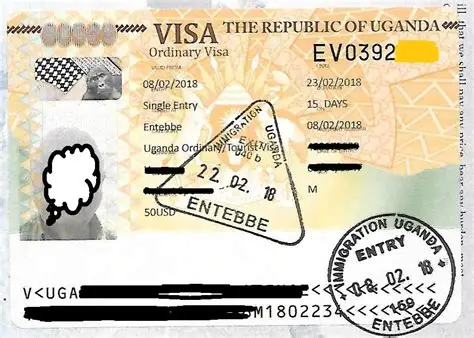
Applying for a Uganda Visa is straightforward. Applicants begin by creating an account on Uganda’s official e-Visa website. They then complete the online application form using information that matches their passport exactly.
Next, applicants upload the required documents and pay the visa fee electronically. Immigration officers review the application before issuing an approval letter. Travelers should print this letter and present it upon arrival.
According to the Directorate of Citizenship and Immigration Control, applicants should submit their requests at least one week before departure. Applying early provides enough time to resolve any documentation issues.
Applicants should only use the official government portal when applying. Third-party websites often charge additional service fees that the government does not require.
Documents Required for a Uganda Visa
Preparing complete documentation increases the chances of quick approval. Every applicant should have a passport that remains valid for at least six months after arrival. The application also requires a recent passport-sized photograph and a completed online form.
Most tourists should provide proof of accommodation together with a return or onward air ticket. Immigration officers may also request an invitation letter or evidence of sufficient financial support depending on the purpose of travel. The Directorate of Citizenship and Immigration Control outlines these requirements on its official website and encourages applicants to review them carefully before submission.
Another important requirement involves public health. Uganda follows international health regulations concerning yellow fever. The World Health Organization recommends that eligible travelers carry a valid Yellow Fever Vaccination Certificate. Airlines may request this certificate before boarding, and immigration officers may inspect it upon arrival
Uganda Visa Processing Time
Most Uganda Visa applications receive a decision within two to five working days. However, processing times may vary during peak travel seasons or public holidays. The Directorate of Citizenship and Immigration Control advises applicants to submit their requests well before departure to avoid unnecessary delays
Incomplete applications often take longer to process. Therefore, applicants should ensure that every uploaded document is clear, accurate, and up to date. Even a small error, such as a passport number mismatch, can delay approval.
Why Choose the East Africa Tourist Visa?
If your itinerary includes Uganda, Kenya, and Rwanda, the East Africa Tourist Visa offers excellent convenience. The visa allows multiple entries between the three participating countries for up to 90 days. However, you should apply through the country where your journey begins.
For example, travelers landing at Entebbe International Airport should apply through Uganda’s immigration system. Once approved, they can continue their journey into Kenya or Rwanda without purchasing another tourist visa. This arrangement saves both time and money, especially for visitors planning a classic East African safari.
Can You Extend a Uganda Visa?
Yes. Visitors who wish to remain in Uganda beyond the validity of their visa may apply for an extension through the Directorate of Citizenship and Immigration Control before their current visa expires. Immigration officers review each application individually and may request additional supporting documents.
Travelers should never overstay an expired visa. Doing so may attract penalties or affect future travel applications. Applying early helps visitors maintain legal immigration status throughout their stay.
Common Mistakes to Avoid
Many travelers wait until the last minute to apply for a Uganda Visa. This approach creates unnecessary pressure if additional documents become necessary. Instead, begin the application process at least one week before departure.
Applicants should also avoid using unofficial visa websites. The official DCIC portal provides the safest and most reliable application process. Furthermore, all personal information should match the passport exactly. Consistency prevents delays during immigration checks.
Another common mistake involves forgetting health documentation. According to the World Health Organization, travelers should carry a valid Yellow Fever Vaccination Certificate where required under international health regulations. Checking these requirements before departure can prevent unexpected travel disruptions.
Travel Tips for Safari Visitors

Many first-time visitors assume that a Uganda Visa Covers every travel activity. In reality, certain experiences require separate permits. Gorilla trekking, for example, requires a gorilla permit issued by the Uganda Wildlife Authority (UWA).
Bwindi Impenetrable National Park remains Uganda’s most famous gorilla trekking destination. According to the Uganda Wildlife Authority, the park protects nearly half of the world’s remaining mountain gorillas, making it one of the most significant conservation areas on the planet
Travelers planning gorilla trekking should book permits several months in advance, especially during the peak seasons from June to September and December to February. Likewise, visitors intending to hike the Rwenzori Mountains or explore remote national parks should organize accommodation and transport early.
Comprehensive travel insurance also provides valuable protection against medical emergencies, flight delays, and lost luggage. Although insurance is not mandatory for obtaining a Uganda Visa, many travel experts strongly recommend it.
Final Thoughts
Obtaining a Uganda Visa is a straightforward process when you prepare in advance. The online application system has made travel planning easier, allowing visitors to complete most requirements before leaving home. Nevertheless, travelers should always confirm the latest visa regulations through the Directorate of Citizenship and Immigration Control because immigration policies may change.
Submitting accurate documents, applying early, and carrying the necessary health certificates will help ensure a smooth arrival. If your itinerary includes Kenya and Rwanda, the East Africa Tourist Visa offers additional flexibility and value. Once your travel documents are in order, you can focus on discovering Uganda’s breathtaking landscapes, extraordinary wildlife, and welcoming communities.