Uganda safaris offer one of the most rewarding wildlife experiences in Africa at a cost that remains accessible to budget-conscious travellers. In 2026, Uganda continues to attract visitors who want to see mountain gorillas, track chimpanzees, and explore vast savannah parks without paying the premium prices found in other safari destinations.
The country combines biodiversity, relatively low park fees, and flexible travel options. With proper planning, travellers can enjoy a complete safari experience that balances affordability and adventure.
How much do Uganda safaris cost in 2026?
Uganda safaris in 2026 typically cost between $180 and $350 per person per day for budget packages. This range depends on the number of travellers, the length of the trip, and the type of accommodation selected. Budget lodges usually charge between $40 and $80 per night, and they provide clean rooms, basic amenities, and easy access to national parks.
The most significant fixed cost remains the gorilla trekking permit, which stands at approximately $800 per person. This fee supports conservation efforts and grants access to one hour with a habituated gorilla family in Bwindi Impenetrable National Park. While the permit may seem expensive, it delivers one of the most unique wildlife encounters in the world.
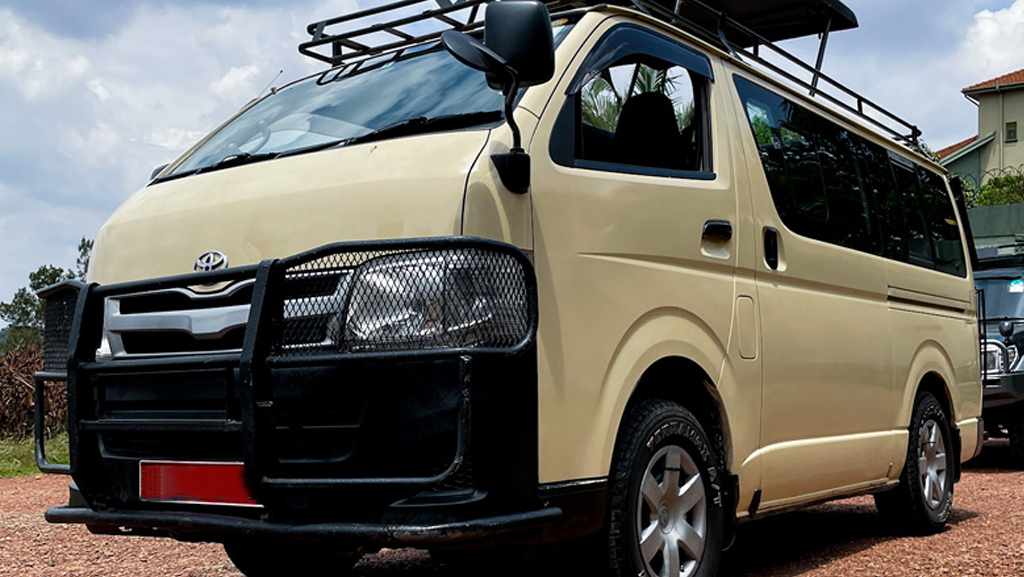
Another significant fixed cost is the car rental fee. Travellers need a vehicle to explore the country at their own pace and terms and this where the car rentals come in. Uganda car rentals offer vehicles for all budgets ranging from budget, midrange to luxury.
A full Uganda safari lasting five to seven days usually costs between $2,000 and $4,000 in total for budget travellers. This price often includes transport, park fees, guiding services, and meals, making Uganda a strong value destination compared to many other African safari countries.
What defines a budget Uganda safari?
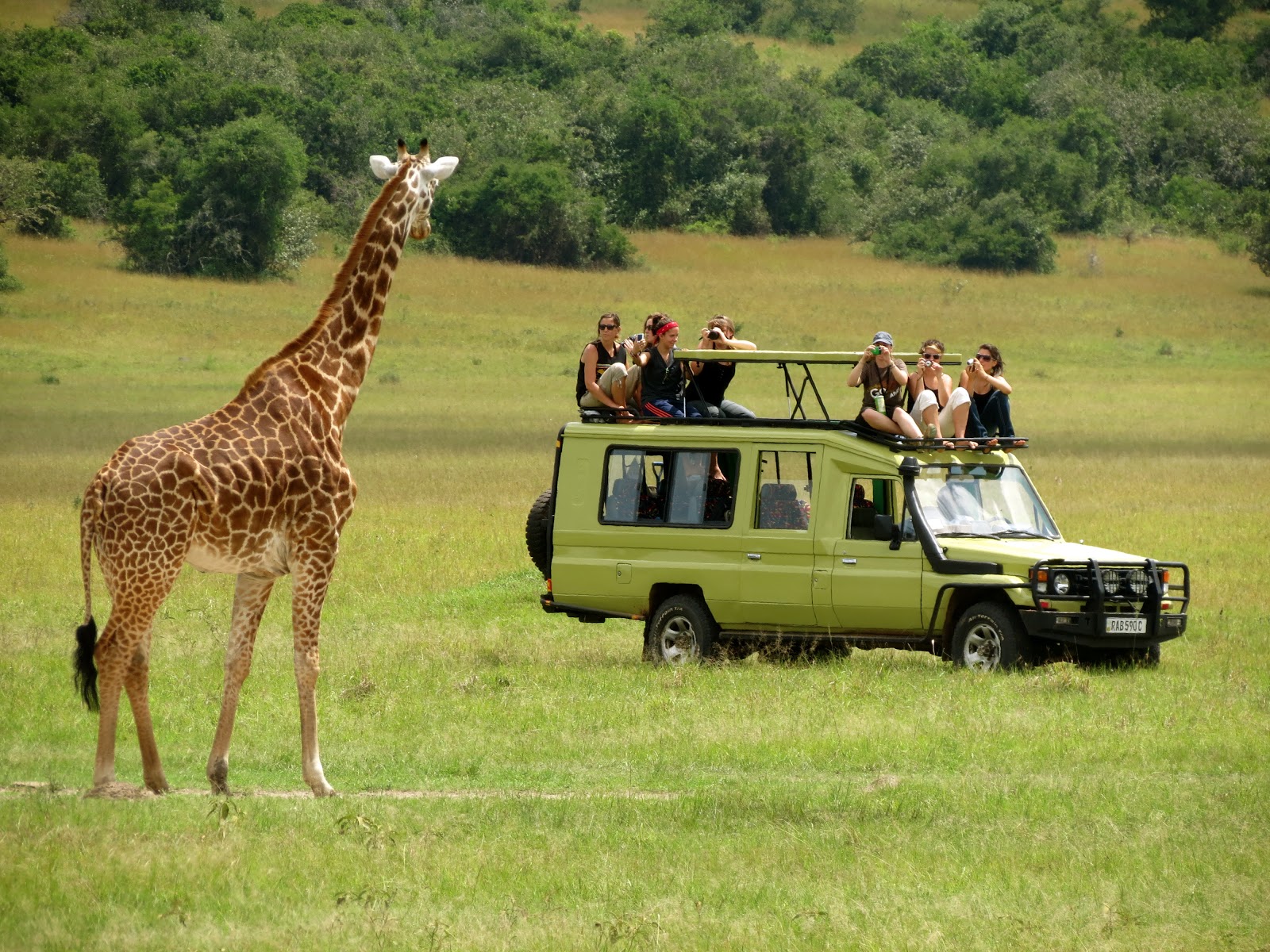
Budget Uganda safaris focus on reducing costs without removing the core experiences that define a safari. Travellers still visit the same national parks, follow trained guides, and encounter the same wildlife as those on luxury tours.
The main differences appear in accommodation and transport style. Budget lodges offer comfort without luxury features, and group tours allow travellers to share vehicles and guides. This shared approach significantly lowers costs while maintaining the overall safari experience.
For example, a traveller on a budget safari in Queen Elizabeth National Park will still witness elephants, buffalo, and lions during game drives. The experience remains authentic, even without high-end amenities.
Best Affordable Uganda safari packages in 2026
A three-day gorilla trekking safari provides one of the most popular entry-level options. Travellers usually begin their journey from Entebbe or Kampala and travel to Bwindi for the trek. The short duration reduces overall costs while still delivering the highlight experience of encountering mountain gorillas in their natural habitat.
A six-day wildlife and primate safari offers greater variety and value. This itinerary often includes game drives in Queen Elizabeth National Park, where large populations of hippos gather along the Kazinga Channel. Visitors frequently observe dozens of hippos in a single area, alongside crocodiles and diverse birdlife. The trip may also include chimpanzee tracking in Kibale National Park, which hosts one of the highest densities of primates in Africa.
A seven-day budget safari expands the experience further by introducing additional parks such as Murchison Falls. Travellers witness the Nile forcing its way through a narrow gorge, creating one of the most powerful waterfalls in Africa. Game drives in this region often reveal giraffes, elephants, and antelope species across open savannah landscapes.
How to save money on Uganda safaris
Travelling during the low or shoulder seasons significantly reduces safari costs. The months from March to May and October to November often bring discounted accommodation rates and fewer tourists. Although these periods may include occasional rain, they also offer lush landscapes and excellent photography conditions.
Group travel also presents another effective way to lower expenses. Sharing transport and guide services reduces the cost per person without affecting the quality of the experience. Many tour operators organize small group safaris that balance affordability with comfort.
Choosing longer itineraries can also improve value. While the total cost increases, the daily average often decreases because fixed expenses such as transport and guiding spread across more days. This approach allows travellers to experience more destinations without dramatically increasing their budget.
Why Uganda safaris offer exceptional value
Uganda safaris stand out because they combine multiple ecosystems and wildlife experiences within a single country. Travellers can move from dense forests to open plains within a relatively short distance. This diversity allows visitors to track gorillas, observe savannah wildlife, and explore wetlands without crossing international borders.
The country also offers a less crowded safari experience. During this time, visitors encounter wildlife without competing with large numbers of vehicles. This creates a more intimate and immersive connection with nature, which many travellers consider more valuable than luxury amenities.
Final thoughts
Affordable Uganda safaris in 2026 demonstrate that remarkable wildlife experiences do not require a luxury budget. With careful planning, travellers can explore national parks, encounter rare species, and enjoy guided safaris at a manageable cost.
Uganda continues to deliver one of Africa’s best-value safari experiences. For budget travellers who prioritize authentic encounters over high-end accommodation, the country offers an opportunity to experience the wild in a meaningful and unforgettable way.