Travel vaccines form an important part of any travel preparation because they protect your health and help you meet Uganda’s entry requirements. Uganda ranks among Africa’s most rewarding travel destinations. The country offers mountain unique experiences like gorilla trekking in Bwindi Impenetrable National Park, wildlife spotting in Queen Elizabeth National Park, Kidepo Valley National Park, Murchison Falls National Park and other many others.
Uganda is also home to vibrant cultures, breathtaking landscapes and incredibly welcoming people. However, every traveler should prepare for the journey before boarding a flight. Fortunately, preparing for a healthy trip is straightforward when you understand the recommendations.
Understanding Uganda’s vaccination requirements will help you travel with confidence. This guide explains the recommended vaccines, mandatory requirements, disease prevention measures, and practical health tips for every visitor.
Why Travel Vaccines Matter Before Visiting Uganda
Vaccines protect travelers against diseases that may occur in different regions of the world. Uganda’s tropical climate supports year-round tourism. However, it also creates favorable conditions for several infectious diseases.
Many diseases remain rare among vaccinated travelers. Therefore, getting vaccinated reduces your personal risk and prevents the spread of illnesses across borders. In addition, some vaccines are mandatory for entry into Uganda.
Health experts recommend scheduling a travel health consultation at least four to six weeks before departure. This period allows enough time for vaccines to become fully effective.
The World Health Organization (WHO) and the U.S. Centers for Disease Control and Prevention (CDC) both recommend preparing early for international travel.
Yellow Fever Vaccination Is Mandatory
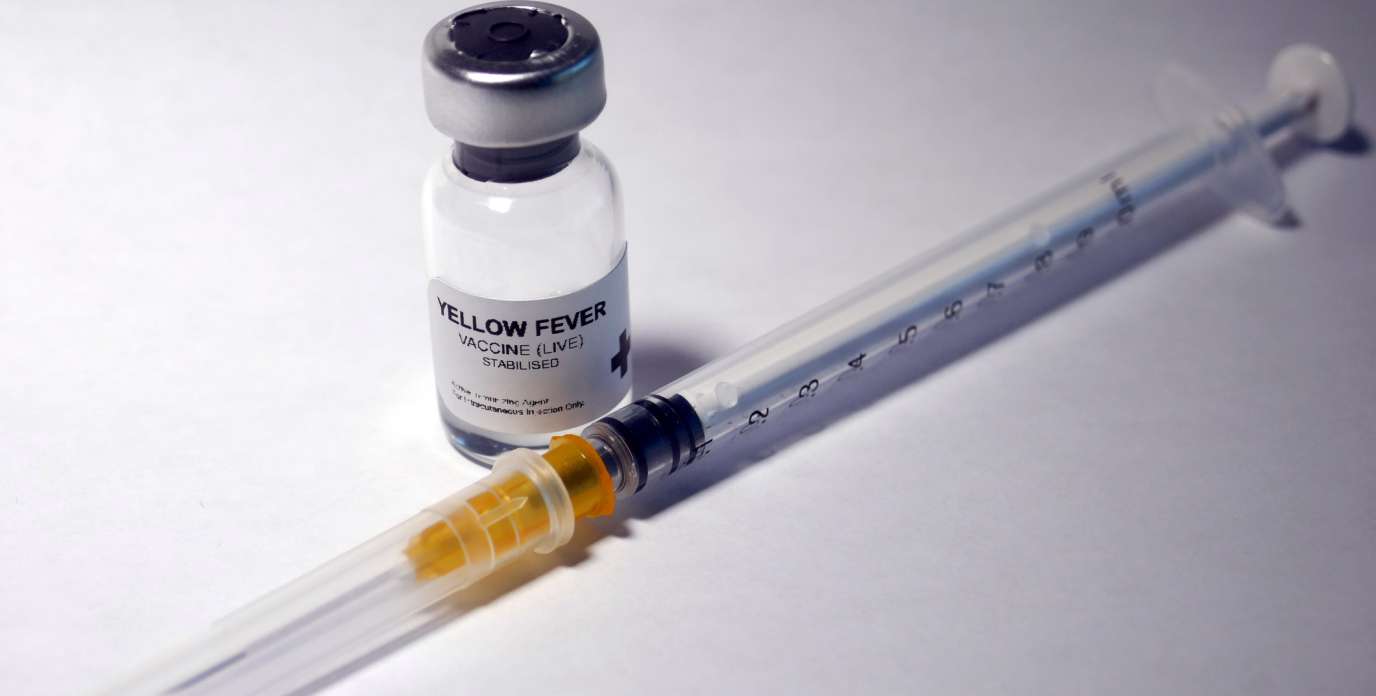
Yellow fever remains the only vaccine that Uganda officially requires for most international travelers. Uganda follows the International Health Regulations established by the World Health Organization. As a result, travelers aged one year and above should carry a valid International Certificate of Vaccination or Prophylaxis (ICVP), commonly called the Yellow Card.
Immigration officials may request this certificate upon arrival.
Yellow fever spreads through infected mosquitoes. Symptoms include fever, muscle pain, nausea, and jaundice and severe cases can become life-threatening. Fortunately, one dose of the vaccine usually provides lifelong protection for most people. Travelers should receive the vaccine at an authorized vaccination center before departure.
Routine Vaccinations Should Be Up to Date
Routine immunizations remain equally important before traveling and many travelers overlook these vaccines because they received them during childhood. However, immunity may decrease over time.
Healthcare providers generally recommend staying current with:
- Measles, Mumps and Rubella (MMR)
- Tetanus, Diphtheria and Pertussis (Tdap)
- Polio
- Chickenpox (Varicella)
- Seasonal Influenza
- COVID-19 vaccination, according to current national recommendations
Several countries have experienced measles outbreaks in recent years. Therefore, travelers should verify their immunity before international travel.
Hepatitis A Vaccination
Most travel medicine specialists recommend the Hepatitis A vaccine for visitors traveling to Uganda. The virus spreads mainly through contaminated food or water, whereby even travelers staying in quality hotels can face exposure. Therefore, vaccination offers reliable protection throughout the trip.
The vaccine usually requires two doses for long-term immunity. However, even the first dose provides significant protection before travel.
Hepatitis B Vaccination
Healthcare providers also recommend Hepatitis B vaccination for many travelers. The virus spreads through blood and bodily fluids. Travelers who may receive medical treatment, tattoos, dental procedures, or extended stays should strongly consider this vaccine.
Long-term visitors, volunteers, students, and expatriates especially benefit from Hepatitis B protection.
Rabies Vaccination
Uganda offers incredible wildlife experiences. Many visitors spend time in national parks, forests, and rural communities.
Rabies vaccination may benefit travelers who plan long safaris, visit remote villages, work with animals, participate in wildlife conservation and stay for extended periods.
Monkeys, dogs, bats, and other mammals can carry rabies. Even vaccinated travelers should seek immediate medical care after any animal bite or scratch. It is important to note that even the health care facilities in remote regions may provide you with the rabies vaccine in case of any endangerment by wild animals. This should curb any danger to your body as you prepare for further treatment in a specialized hospital.
Should Travelers Worry About Malaria?
No vaccine currently provides broad protection against malaria for international travelers. Instead, doctors recommend preventive malaria medication alongside mosquito bite prevention. Uganda experiences malaria transmission throughout most parts of the country.
Visitors should speak with their healthcare provider about appropriate antimalarial medicines before departure.
In addition, travelers should:
- Sleep under insecticide-treated mosquito nets.
- Wear long-sleeved clothing during evenings.
- Apply insect repellent containing DEET or picaridin.
- Stay in accommodations with screened windows or air conditioning whenever possible.
These simple measures significantly reduce mosquito bites.
Ebola and Uganda’s Public Health System
Uganda has successfully contained several Ebola outbreaks through strong surveillance and rapid public health responses. This includes the recent 2026 Ebola outbreak. Importantly, Ebola does not circulate continuously within the country. The Ministry of Health actively monitors suspected cases and quickly implements containment measures whenever necessary.
Travelers should monitor official travel updates before departure rather than relying on social media rumors. Above all. they should follow the standard operating procedures and learn more on how to stay safe here
Food and Water Safety
Vaccination provides excellent protection against many diseases, except those that come as a result of poor hygiene. Therefore, good hygiene remains equally important.
Visitors should:
- Drink sealed bottled water or properly treated water.
- Wash hands regularly with soap.
- Carry alcohol-based hand sanitizer.
- Eat fruits that you peel yourself.
- Avoid raw or undercooked meat.
- Choose busy restaurants with good hygiene practices and avoid consuming a lot of street food.
Such simple habits prevent many common travel illnesses.
Should You Carry Your Vaccination Records?
Absolutely!
Keep your Yellow Fever Certificate with your passport throughout your journey. Additionally, carry copies of your vaccination records in digital form. Electronic backups prove useful if original documents become lost.
Safari operators usually remind travelers about vaccination requirements before arrival.
Where Can Travelers Receive Travel Vaccines?
Most countries have certified travel clinics that provide international vaccination services. Travelers should book appointments several weeks and get their travel vaccines before departure. During the consultation, healthcare providers assess:
- Destination within Uganda
- Length of stay
- Planned activities
- Existing medical conditions
- Previous vaccinations
This personalized assessment ensures appropriate protection.
Final Thoughts
Uganda welcomes thousands of tourists every year. Most visitors enjoy healthy, memorable, and trouble-free holidays. Proper preparation makes a significant difference. Fortunately, obtaining the recommended travel vaccines remains one of the easiest ways to protect yourself before departure.
Yellow fever vaccination serves as the primary entry requirement. Meanwhile, vaccines against Hepatitis A, Hepatitis B, Typhoid, and Rabies offer additional protection depending on your itinerary. Routine immunizations should also remain current before international travel.
Finally, combine vaccination with mosquito protection, food safety, and good hygiene practices, as these simple precautions greatly reduce health risks throughout your stay.
Always consult a qualified travel health professional before traveling because recommendations on travel vaccines may change over time. For the latest guidance, refer to the World Health Organization, Uganda Ministry of Health, or your country’s public health authority.