The current fuel prices in Uganda play an important role in determining the overall cost of your trip. For travelers planning to rent a 4×4 vehicle for a self-drive safari or hire a driver, fuel expenses can influence your travel budget. Additionally, recent geopolitical tensions, including the ongoing conflict involving Iran, have created uncertainty in global oil markets. As a result, travelers should understand how these developments may affect transportation costs before arriving in Uganda.
Fortunately, Uganda still offers excellent value compared to many safari destinations. With proper planning, you can manage your fuel expenses without compromising your experience.
Why Fuel Prices in Uganda Matter to Travelers
Fuel powers almost every aspect of tourism in Uganda. Tour operators use it to transport guests between destinations. Self-drive travelers rely on it throughout their journeys. Domestic buses, airport transfers, and boat logistics also depend on fuel.
Consequently, even modest increases in the fuel prices in Uganda can affect travel costs. Although many tour operators absorb short-term fluctuations, sustained increases often influence package prices over time. If you are renting a vehicle, fuel will likely become one of your largest daily expenses after accommodation.
Current Fuel Prices in Uganda
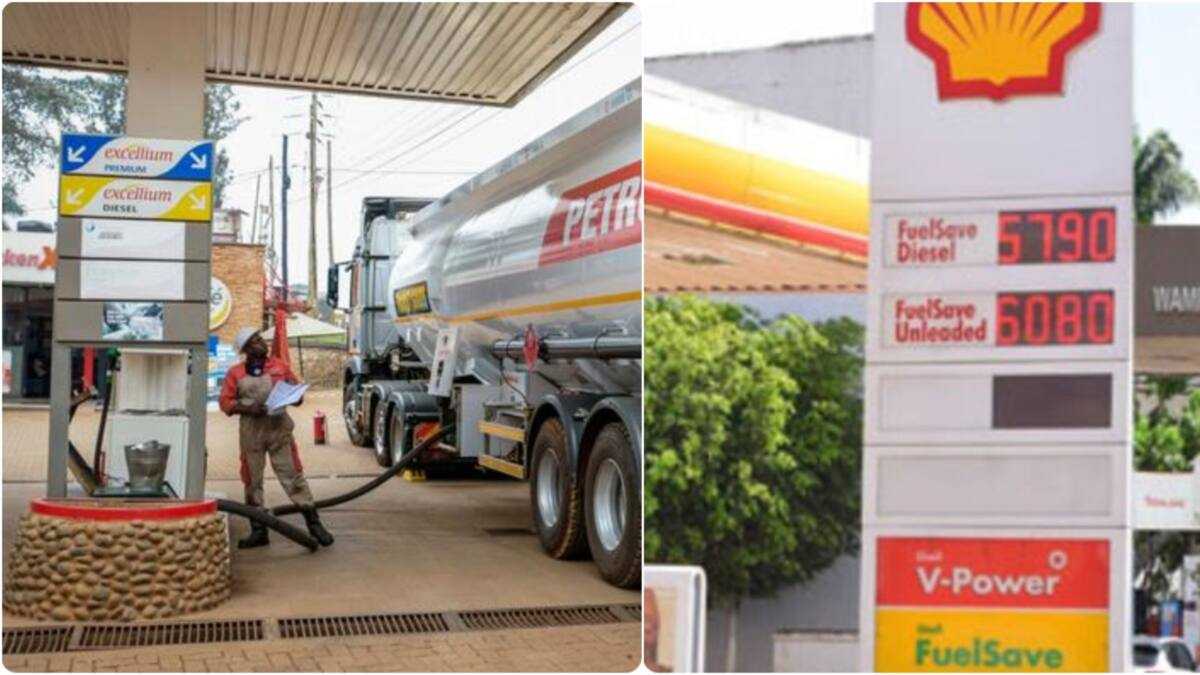
Fuel prices vary between towns, fuel stations, and regions. Kampala generally records some of the most competitive prices because of higher competition among suppliers.
| Fuel Type | Average Current Price (UGX/Litre) |
| Petrol | UGX 5,300–5,700 |
| Diesel | UGX 5,000–5,500 |
Prices in remote safari regions can be slightly higher because transporting fuel over long distances increases operating costs. For example, stations near Bwindi, Kidepo Valley National Park, and Karamoja often charge more than stations in Kampala, Jinja, or Entebbe.
Travelers should therefore refuel before entering remote national parks whenever possible. If the car rental company allows, you may carry cannisters of fuel especially when embarking on a very long journey.
How Current Prices Compare with Previous Years
Uganda’s fuel market has experienced noticeable fluctuations over the past few years.
During periods of relative stability, petrol often sold between UGX 4,500 and UGX 5,000 per litre in major towns. Diesel also remained below today’s average in many locations.
Earlier global supply disruptions, post-pandemic recovery, and shipping constraints pushed prices well above UGX 6,000 per litre at various points. Although fuel prices in Uganda later moderated, they have remained more volatile than before the pandemic.
Today’s prices generally sit below the highest levels seen during recent global energy shocks. Nevertheless, they remain higher than historical averages from several years ago.
This means travelers should budget slightly more for fuel than they might have in the past, while recognizing that Uganda still compares favorably with many international destinations.
How the Iran Situation Influences Fuel Prices
Many travelers wonder why events thousands of kilometres away affect fuel prices in Uganda. The answer lies in the global oil market. Iran remains one of the world’s significant oil-producing countries. In addition, the Strait of Hormuz, located near Iran, serves as one of the world’s busiest oil shipping routes.
Whenever conflict or political tension raises concerns about supply disruptions, global oil prices often react immediately. Even if physical supplies continue flowing, uncertainty alone can increase international crude oil prices.
Uganda imports refined petroleum products, mainly through Kenya and Tanzania. Therefore, higher international prices eventually influence local pump prices. Shipping costs, insurance premiums, and exchange rate movements may also contribute to price changes.
Although Uganda discovered commercially viable oil reserves, large-scale domestic refining has not yet replaced imported refined fuel. Consequently, international market developments continue to affect local prices.
Will Fuel Prices Continue Rising?
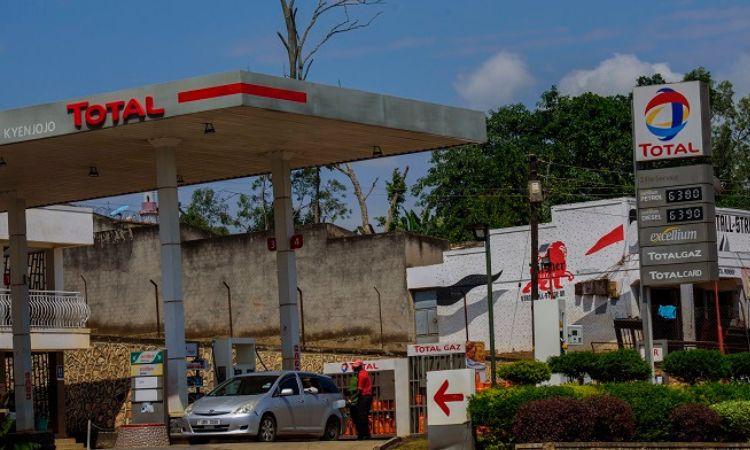
Predicting fuel prices with certainty remains impossible. Several factors influence future prices, including global crude oil prices, regional supply chains, exchange rate movements, shipping costs, government taxes and levies as well as geopolitical developments.
If tensions in the Middle East ease, international oil prices may stabilize. Conversely, prolonged disruptions could increase costs across many countries, including Uganda. Travelers should therefore check current prices shortly before their departure rather than relying on estimates from several months earlier.
How Fuel Prices Affect Your Safari Budget
Fuel costs become more noticeable on longer itineraries. A typical safari may cover between 1,000 and 2,500 kilometres depending on the destinations.
For example, a trip from Entebbe to Murchison Falls National Park, Queen Elizabeth National Park, Bwindi Impenetrable National Park, and Lake Bunyonyi covers considerable distance.
A Toyota Land Cruiser Prado averaging around 8–10 kilometres per litre will naturally consume more fuel than a smaller SUV on the same route.
Similarly, extended trips to Kidepo Valley National Park require substantially more fuel because of the long driving distance. Travelers should therefore include fuel in their overall safari planning instead of focusing only on vehicle rental rates.
Learn more about fuel saving tips and practices here.
Self-Drive or Driver-Guided Safari?
Fuel affects both travel styles. With self-drive rentals, you purchase fuel directly throughout your journey. Driver-guided safaris on the other hand often include transportation costs within the package price, although operators may adjust pricing if fuel costs increase significantly over time.
Travelers should always confirm whether quoted prices include fuel before making reservations. Understanding what is included helps avoid unexpected expenses later.
Fuel Availability Across Uganda
Fuel stations operate throughout Uganda’s major highways and towns. However, station density decreases in remote regions.
Travelers visiting Kidepo Valley National Park, Semuliki National Park, or isolated areas of Karamoja should avoid allowing the fuel tank to become nearly empty. Many experienced safari drivers follow the simple rule of refueling whenever the tank reaches half full in remote areas. This approach provides an extra margin of safety.
Which Fuel Stations Are Reliable?
Uganda has several well-established fuel retailers. Brands such as Shell, TotalEnergies, Stabex, City Oil, Hass Petroleum, and other licensed operators maintain stations across much of the country.
Most major stations accept card payments, although carrying some cash remains advisable in rural areas because network interruptions occasionally occur.
Final Thoughts
Current fuel prices in Uganda remain an important consideration for anyone planning a road trip or safari. While global events, including tensions involving Iran, can influence international oil markets, Uganda continues to offer excellent value for travelers.
Most visitors will find that fuel represents only one part of the overall travel budget. Accommodation, park entrance fees, gorilla permits, and activities generally account for a larger share of total expenses. Nevertheless, understanding fuel costs helps you plan more accurately and avoid surprises.
Before your trip, check the latest pump prices, discuss fuel expectations with your tour operator or car rental company, and build a small contingency into your budget. With thoughtful planning and sensible driving, you can enjoy Uganda’s spectacular landscapes without letting fuel costs overshadow your adventure.