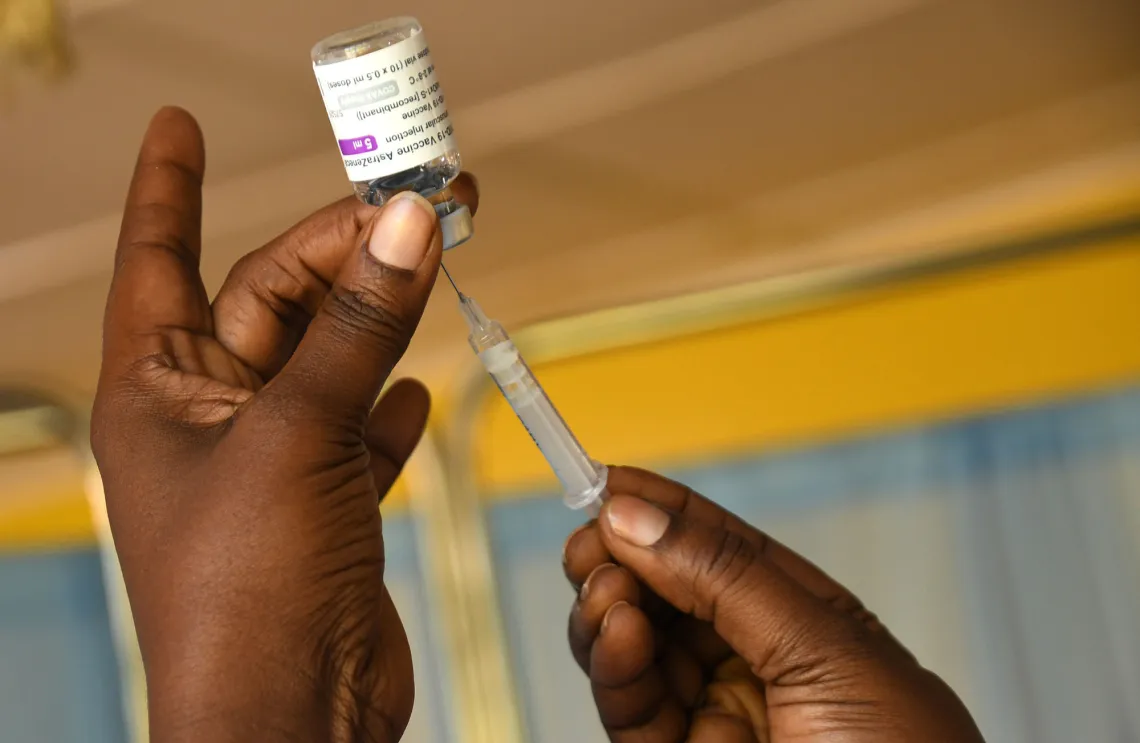
Uganda remains one of Africa’s leading safari destinations despite the ongoing Ebola outbreak in Uganda. The country continues to welcome visitors seeking unforgettable wildlife experiences, mountain gorilla trekking, birdwatching, and cultural adventures. Although the outbreak has raised understandable concerns, travelers should base their decisions on official public health information rather than rumors or social media speculation.
The Government of Uganda, through the Ministry of Health, continues to strengthen disease surveillance, case management, contact tracing, and border screening. These measures aim to contain the outbreak while allowing essential services, including tourism, to continue safely. According to the Ministry of Health on 4 July 2026, Uganda has recorded 20 cumulative confirmed cases, including 15 imported cases and 5 locally transmitted cases. The country has also reported 16 recoveries, 2 patients currently admitted for treatment, and 2 cumulative deaths.
For most travelers, the key question remains simple: Is it still safe to visit Uganda? The answer depends on where you intend to travel, your health status, and your willingness to follow official health guidelines.
Understanding the Current Ebola Outbreak in Uganda
Ebola Virus Disease (EVD) is a severe viral illness that spreads through direct contact with the bodily fluids of an infected person or contaminated materials. It does not spread through the air like influenza or COVID-19. This distinction is important because many travelers overestimate the risk of casual transmission.
According to the World Health Organization (WHO), prompt detection, isolation of patients, contact tracing, and community awareness remain the most effective tools for controlling Ebola outbreaks. Uganda has successfully managed several Ebola outbreaks over the past two decades by applying these public health measures, often with support from the WHO and Africa Centres for Disease Control and Prevention (Africa CDC).
The current outbreak has prompted a coordinated national response involving the Ministry of Health, district health authorities, border agencies, and international health partners. Consequently, surveillance has increased across the country, especially at high-risk points of entry.
Can Tourists Still Travel to Uganda?
Yes. Uganda remains open to international tourists. Entebbe International Airport continues to receive scheduled international flights, while hotels, safari lodges, tour operators, and national parks continue normal operations unless official authorities announce otherwise.
Importantly, the Ministry of Tourism, Wildlife and Antiquities has not suspended tourism activities nationwide. Instead, authorities continue to work closely with the Ministry of Health to ensure visitors can travel safely while protecting local communities.
Most of Uganda’s major tourism destinations lie far from areas that may require heightened public health interventions. Parks such as Murchison Falls National Park, Queen Elizabeth National Park, Kidepo Valley National Park, Lake Mburo National Park, and Bwindi Impenetrable National Park continue receiving domestic and international visitors under existing health guidelines.
Nevertheless, travelers should monitor official government updates before departure because disease situations can change quickly.
Health Screening at Airports and Border Crossings
Visitors arriving in Uganda should expect enhanced health screening at Entebbe International Airport and selected land border crossings. These measures form part of Uganda’s broader disease surveillance strategy and aim to identify potential health risks before they spread.
Travelers may undergo temperature screening, complete health declaration forms, or answer questions about recent travel history. Health officers may also ask whether visitors have experienced symptoms such as fever, vomiting, severe headache, unexplained bleeding, or recent contact with confirmed Ebola patients.
These procedures should not discourage travelers. Instead, they demonstrate Uganda’s commitment to protecting both residents and international visitors.
The Ministry of Health advises anyone feeling unwell before travel to postpone their journey and seek medical attention. Likewise, visitors who develop symptoms after arriving in Uganda should immediately contact health authorities rather than self-medicate or continue traveling.
Visiting Uganda’s National Parks During the Ebola Outbreak
Many prospective visitors worry that the Ebola outbreak in Uganda has affected the country’s safari destinations. Fortunately, Uganda’s national parks continue to operate under guidance from the Uganda Wildlife Authority (UWA) and relevant health authorities.
Wildlife safaris remain one of the safest tourism activities because they take place in open environments with limited close human interaction. Visitors spend much of their time inside safari vehicles or walking in small guided groups, reducing opportunities for disease transmission.
Gorilla trekking in Bwindi Impenetrable National Park and Mgahinga Gorilla National Park also continues under established conservation and health protocols. The Uganda Wildlife Authority already enforces strict rules designed to protect both visitors and endangered mountain gorillas from infectious diseases. These measures include maintaining safe viewing distances and limiting the number of visitors per gorilla family each day
Tourists should continue following instructions from park rangers and tour guides throughout their visit. Good hygiene practices, including regular hand washing or using alcohol-based hand sanitizers, further reduce health risks.
Responsible Travel Matters
Travelers also play an important role in preventing disease transmission. Choosing licensed tour operators, staying informed through official government channels, and respecting local health guidelines help protect everyone involved in the tourism sector.
Uganda has invested heavily in emergency preparedness and disease surveillance over the years. These investments strengthen the country’s ability to detect and contain outbreaks while maintaining confidence among international visitors.
Rather than cancelling travel based on misinformation, visitors should rely on trusted sources such as the Ministry of Health, the World Health Organization, and their national travel advisory services.