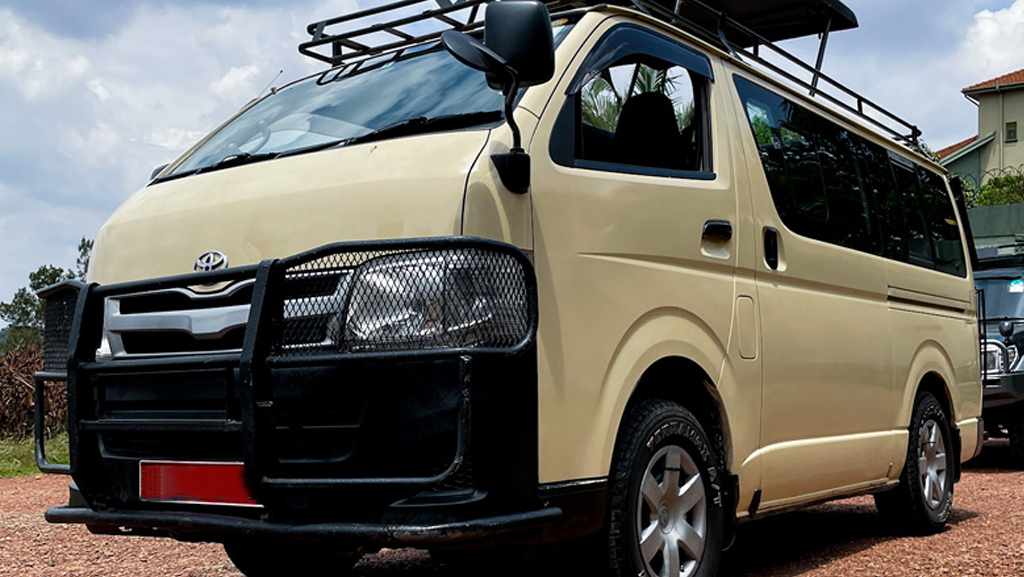
Many travelers choose car rental Uganda services because they provide the flexibility to explore destinations independently and experience the country beyond the typical tourist trail.
Uganda is often called the Pearl of Africa, and for good reason. The country offers breathtaking landscapes, mountain gorillas, the mighty River Nile, diverse wildlife, and some of the friendliest people on the continent. Every year, thousands of visitors arrive to experience Uganda’s natural beauty, through gorilla trekking in Bwindi, wildlife safaris in Queen Elizabeth National Park, or road trips across the country’s scenic countryside.
While Uganda is a relatively easy destination to navigate, first-time visitors often experience a number of cultural shocks. These surprises are rarely negative. In fact, they often become some of the most memorable aspects of a trip. However, understanding them beforehand can help travelers adjust more easily and avoid unnecessary misunderstandings.
Culture shock happens when people encounter customs, behaviors, and social norms that differ from what they are accustomed to at home. In Uganda, these differences can appear in everyday interactions, transportation, business practices, food, communication styles, and even attitudes toward time.
For example, a visitor from Germany may find Uganda’s relaxed approach to scheduling surprising. An American tourist might be amazed by how freely strangers greet each other. A traveler from Japan may notice that social interactions feel more personal and community oriented. Understanding these cultural differences will help you enjoy a smoother and more rewarding travel experience.
Why travelers experience more culture when using car rental Uganda services
Many tourists only see Uganda through organized tours, hotel transfers, and guided excursions. While these experiences offer convenience, they often limit interaction with everyday Ugandan life.
Travelers who choose car rental Uganda services experience the country differently. They stop at roadside markets, ask locals for directions, visit small towns, eat at local restaurants, and interact directly with people throughout their journey.
Imagine driving from Kampala to Murchison Falls National Park. Along the way, you might stop in Masindi for lunch, buy fresh pineapples from roadside vendors, chat with fuel station attendants, and ask local residents about road conditions. These interactions expose travelers to authentic Ugandan culture in ways that organized tours often cannot.
Because of this increased interaction, self-drive visitors tend to notice cultural differences more quickly.
Everyone greets everyone
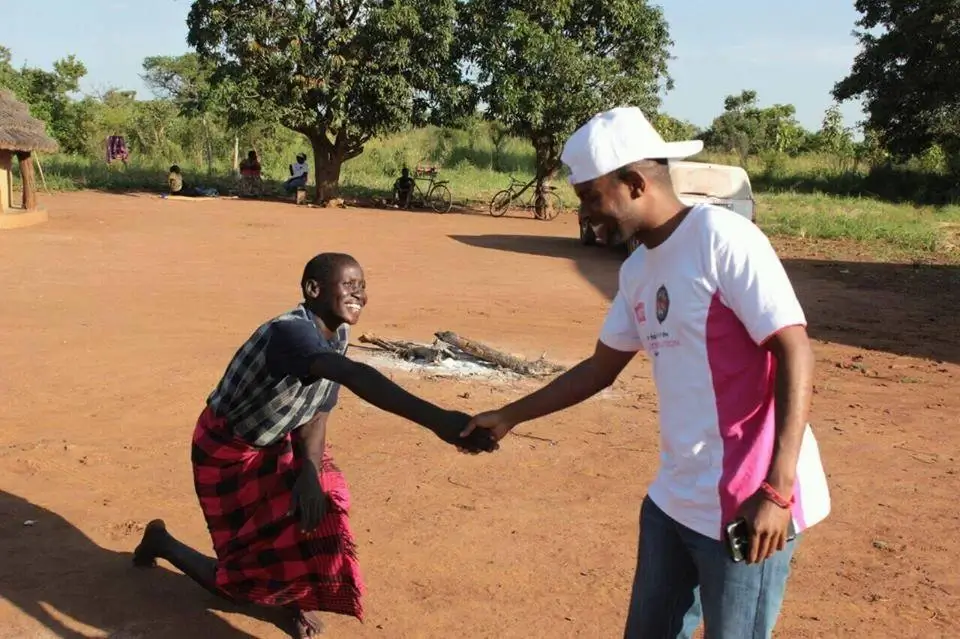
Ugandans are some of the most polite and receptive people in Africa. One of the biggest cultural shocks for many visitors is the importance Ugandans place on greetings. In many Western countries, people often walk into a store, ask for what they need, and leave. In Uganda, greeting people first is considered respectful and polite.
For example, if you enter a small shop in Fort Portal and immediately ask for bottled water without greeting the shopkeeper, the interaction may feel awkward. Most Ugandans expect a greeting before discussing business.
You may hear people say, “Good morning.” “How are you?” “How was your night?” “How is the family?” These greetings often occur even between strangers. What is even more surprising is the manner in which Ugandans greet. Kneeling when greeting an elder or expressing gratitude is very common in most regions of the country.
While using a car rental Uganda vehicle, you may stop for fuel and discover that attendants spend several minutes exchanging greetings before beginning the transaction. This reflects respect rather than inefficiency. Travelers who adopt this habit often find locals much more welcoming and helpful.
The concept of time may surprise you
Perhaps no cultural difference surprises visitors more than attitudes toward time. Uganda generally operates on a more flexible schedule than many Western countries. While airlines, safari activities, and major businesses follow strict timetables, social gatherings often do not.
For example, if a community event is scheduled for 2:00 PM, many attendees may arrive closer to 3:00 PM or even later. A traveler from Switzerland, where punctuality is highly valued, may initially find this frustrating. However, many Ugandans prioritize relationships and circumstances over rigid schedules.
This cultural difference becomes particularly noticeable during road trips. Suppose you ask a local how long it will take to drive from Kabale to Lake Bunyonyi. They may estimate “twenty minutes,” but the actual journey could take forty minutes depending on road conditions.
When using car rental Uganda services, travelers should build flexibility into their schedules and avoid planning every hour too precisely.
Children will wave at you everywhere
Many visitors find it surprising how enthusiastically children react to foreign travelers. Drive through villages in western Uganda, northern Uganda, or the Karamoja region, and you will likely see children running toward the road waving and smiling.
In some communities, children may shout greetings such as “Hello!” “How are you?” “Mzungu!”
The word “Mzungu” commonly refers to foreigners, especially those with lighter skin. While some visitors initially misunderstand the term, it is generally not offensive. Most children use it simply because they are excited to see someone from another country, especially with a different skin color.
A self-drive traveler using a car rental Uganda vehicle may encounter this dozens of times during a single road trip. Many visitors describe these encounters as one of the most heartwarming aspects of traveling through Uganda.
Roadside markets operate differently than expected
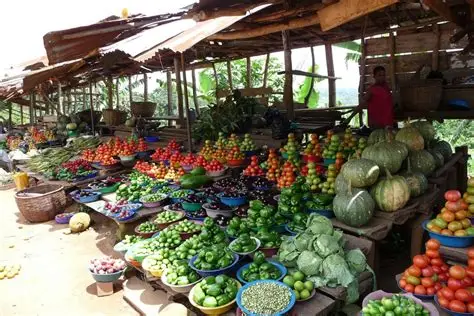
Roadside markets form an important part of Ugandan culture. As you drive through towns such as Mubende, Masaka, Mbarara, or Iganga, you will notice vendors selling fresh produce directly beside the road.
When your vehicle slows down, vendors often approach with;
- Fresh pineapples
- Passion fruits
- Roasted maize
- Jackfruit
- Bananas
- Avocados
- Grilled chicken
A visitor from Europe or North America may find this surprising because roadside selling is often more restricted in those regions. However, these markets play a significant role in supporting local livelihoods. Travelers using car rental Uganda services often enjoy stopping to sample seasonal fruits that are fresher and cheaper than anything available in supermarkets.
Personal questions are common
Ugandans often ask questions that visitors may consider personal. For example, someone you have just met might ask: “Are you married?” “Do you have children?” “How old are you?” “Where do you come from?”
In some cultures, these questions might seem intrusive. In Uganda, they usually reflect friendliness and genuine interest. Community relationships remain important throughout society, and people often use personal questions as a way to build rapport. Travelers should understand that these conversations rarely involve bad intentions.
Family and community matter more than individualism
Many Western societies emphasize individual achievement and independence. Ugandan culture often emphasizes family, community, and collective support. For example, it is common for extended family members to live together or support each other financially.
A visitor staying at a guesthouse may notice staff helping relatives, attending community events, or prioritizing family obligations. Also, you may notice that most businesses are owned and operated by family members. This strong sense of community often surprises travelers from more individualistic societies.
During a car rental Uganda road trip, visitors frequently witness neighbors helping one another with farming, construction, childcare, and transportation.
Traffic rules can feel different
Driving in Uganda presents another major cultural adjustment. Official traffic laws exist, but actual road behavior may differ significantly from what travelers expect. Driving in Kampala as a tourist may feel more challenging that other cities in the countries.
In Kampala especially, drivers often navigate;
- Heavy congestion
- Aggressive overtaking
- Motorcycle taxis
- Pedestrian crossings
- Street vendors
- Unexpected road obstacles
A traveler accustomed to orderly traffic in Canada may find Kampala overwhelming during rush hour. Fortunately, road conditions become much calmer outside major cities. Most travelers quickly adapt after a few days behind the wheel.
Choosing a reliable car rental Uganda company with well-maintained vehicles makes this adjustment much easier.
Religion influences daily life
Religion plays a visible role throughout Uganda.
Christianity and Islam dominate the religious landscape, and faith influences many aspects of everyday life.Visitors frequently encounter church services, mosques religious radio programs, gospel music, and public prayer gatherings.
Many businesses display religious messages or quotations. A traveler may enter a taxi, restaurant, or shop and hear religious music playing in the background. For visitors from more secular societies, the public expression of faith can feel surprising.
Ugandan food is different from typical tourist expectations
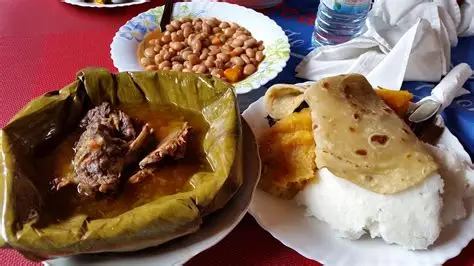
Many visitors arrive expecting familiar international cuisine but discover a rich local food culture instead. Popular Ugandan dishes include:
- Matoke
- Posho
- Groundnut sauce
- Rolex (chapati with eggs)
- Luwombo
- Cassava
- Sweet potatoes
- Nile perch
The famous Ugandan Rolex has nothing to do with watches. It consists of eggs and vegetables wrapped in a chapati and serves as one of the country’s most popular street foods. Travelers using car rental Uganda services can explore regional food specialties that many organized tours overlook.
Bargaining is normal
Many first-time visitors experience culture shock when shopping in local markets. Unlike supermarkets, many prices in craft markets and roadside stalls remain negotiable.
Suppose a vendor offers a wooden carving for $20. Negotiation may lead to a final price of $15 or even less. Bargaining is expected, but it should remain friendly and respectful. Aggressive negotiation often creates negative experiences for both parties.
Rural Uganda looks very different from urban Uganda
One of the most striking aspects of traveling across Uganda involves witnessing the contrast between urban and rural life.
Kampala features shopping malls, office buildings, luxury hotels, modern restaurants and heavy traffic.
Meanwhile, rural regions may consist of traditional farms, small trading centers, community markets, dirt roads and village schools. Travelers using car rental Uganda services often experience these contrasts within a single day. Driving from Kampala to Bwindi can feel like traveling through several different countries because of the dramatic changes in scenery and lifestyle.
Final thoughts
Uganda offers far more than wildlife safaris and scenic landscapes. The country’s culture, traditions, and people create experiences that many travelers remember long after returning home.
From the importance of greetings and family values to roadside markets, religious influence, and unique driving conditions, Uganda presents cultural differences that can surprise first-time visitors. Fortunately, these differences often enrich the travel experience rather than complicate it.
Travelers who approach Uganda with curiosity, patience, and an open mind usually find the country incredibly rewarding. The cultural shocks they experience often become stories they share for years afterward.
Choosing Jungle car rental Uganda provides one of the best ways to experience these cultural encounters firsthand. Self-drive travel allows visitors to interact directly with communities, discover hidden destinations, and gain a deeper understanding of everyday life across the Pearl of Africa.
Rather than avoiding cultural differences, embrace them. They are an essential part of what makes Uganda one of Africa’s most fascinating and unforgettable destinations.