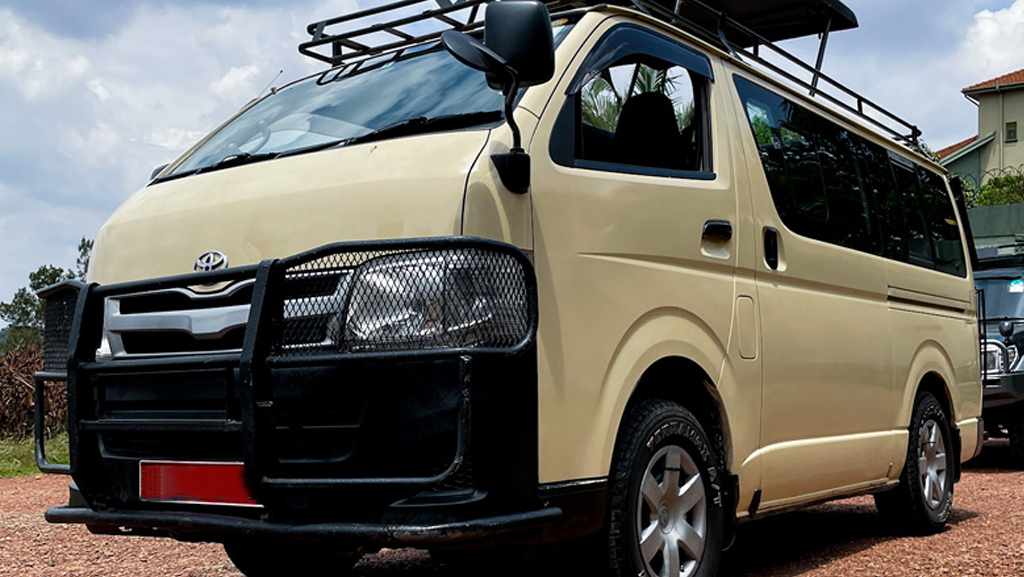
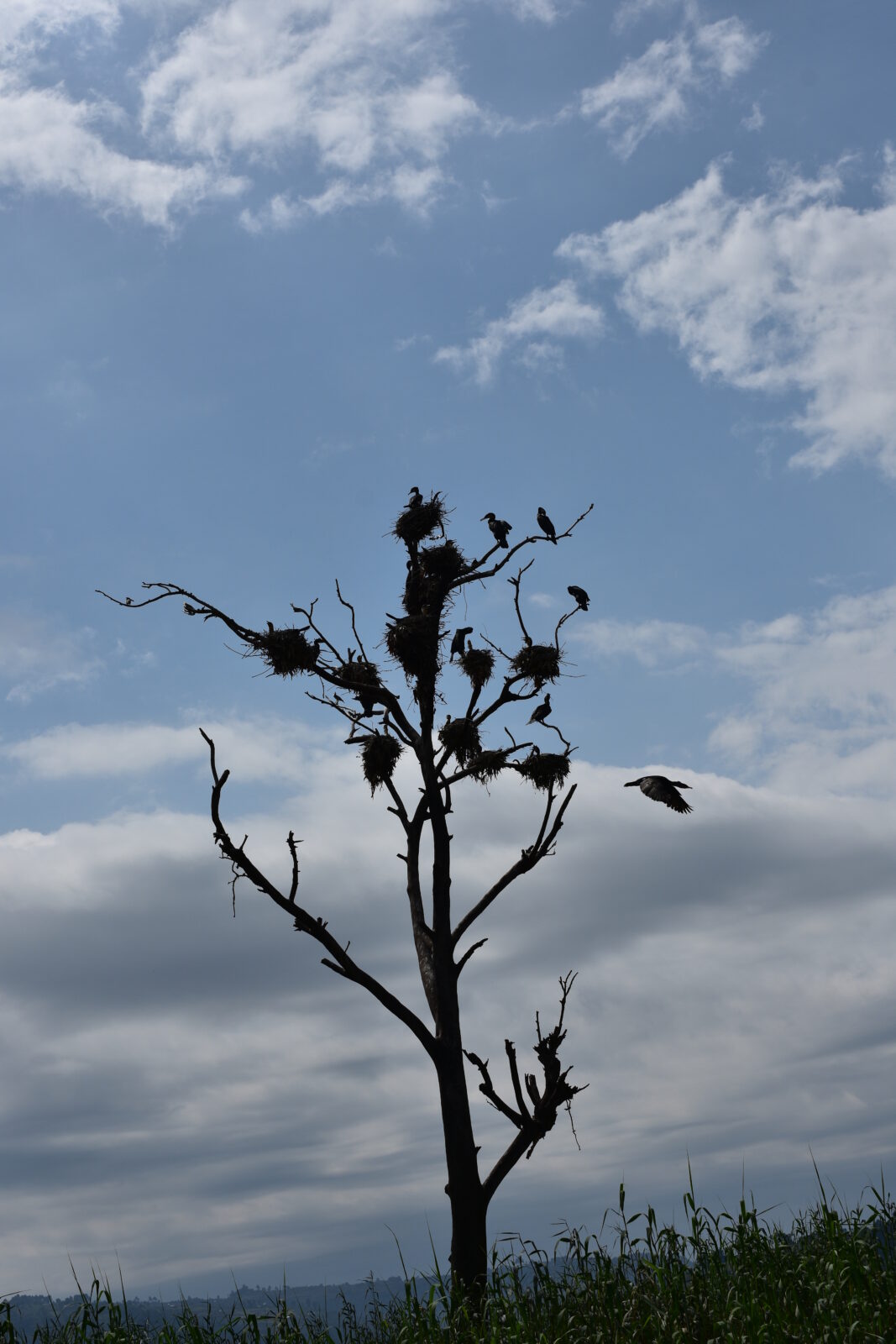
A Uganda safari offers one of the most diverse and rewarding travel experiences in Africa. From trekking endangered mountain gorillas in dense forests to watching lions roam open savannah, Uganda delivers a level of variety that few destinations can match. However, the success of your safari does not depend only on where you go. It also depends on what you choose to avoid.
Many travellers focus only on top destinations, yet overlook the planning mistakes and logistical challenges that can affect their trip. Uganda’s natural beauty comes with long travel distances, seasonal weather patterns, and limited infrastructure in remote areas. Understanding these realities allows you to plan a smoother and more enjoyable Uganda safari.
This guide highlights key places, situations, and decisions to avoid so you can make the most of your journey.
Avoid remote parks without enough time
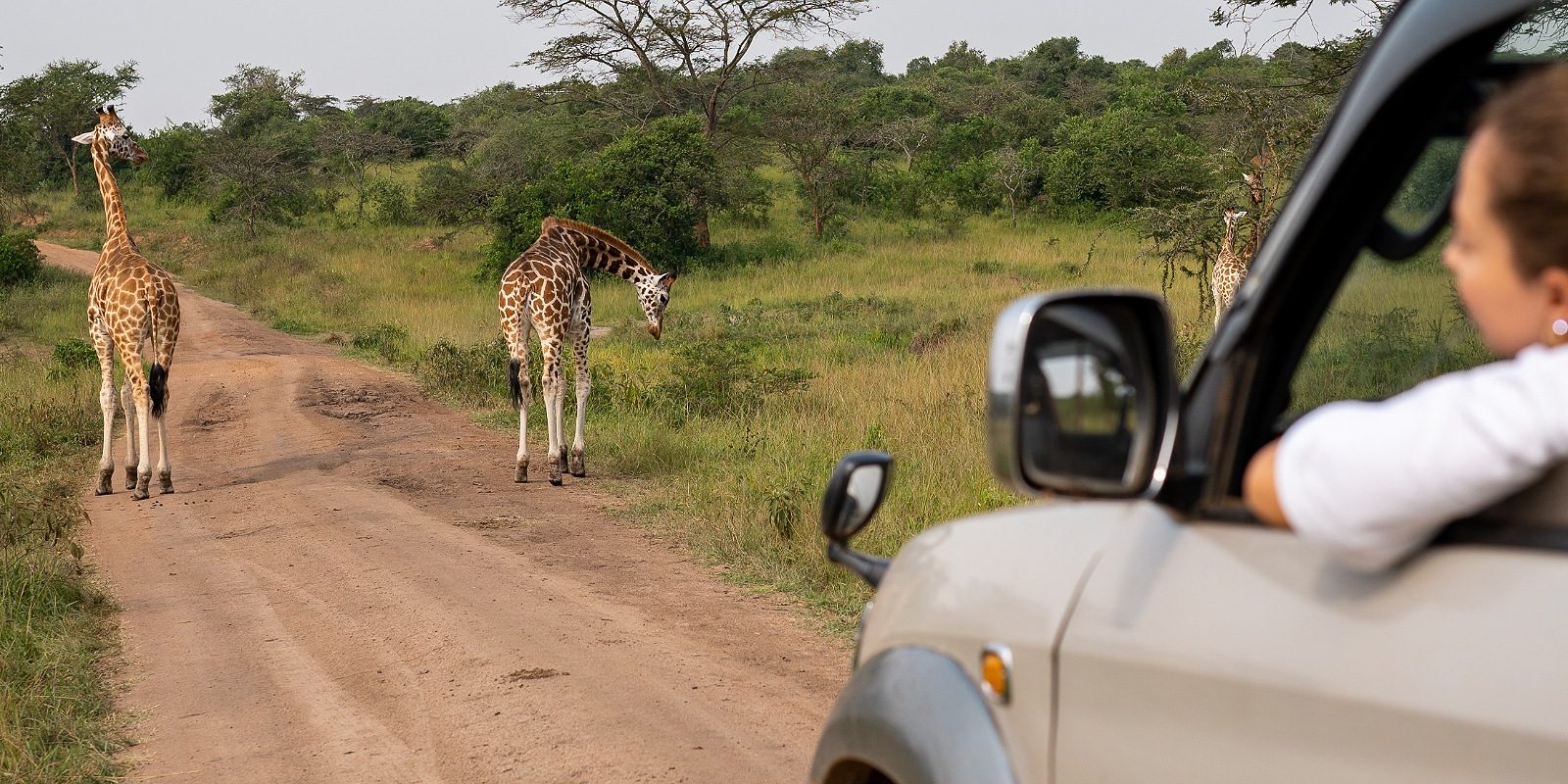
Uganda’s most rewarding destinations often lie far from major cities like Entebbe and Kampala since all international airport transfers are within Entebbe. While this remoteness adds to their appeal, it also requires proper time management.
One example is Kidepo Valley National Park, located in the far northeast of the country. The park offers breathtaking landscapes, large herds of buffalo, and some of the most untouched wilderness in East Africa, as well the BigFIVE in their complete form. However, reaching Kidepo by road can take more than 10 hours, depending on your route and conditions.
Travellers who try to include Kidepo in a short Uganda safari often spend more time travelling than exploring. This can lead to fatigue and limit your ability to enjoy game drives and other activities. A better approach involves either allocating several days to remote parks or choosing destinations closer together.
Avoid overcrowded sectors during peak seasons
Although Uganda remains less crowded than many African safari destinations, certain areas still experience higher visitor numbers during peak travel months. The dry seasons, from June to September and December to February, attract the largest number of tourists.
In Bwindi Impenetrable National Park, some trekking sectors receive more attention because of easier access and well-established gorilla families. This can lead to higher demand for permits and accommodation in those areas.
While gorilla trekking groups remain small and controlled, the surrounding lodges and trailheads may feel busier than expected. Travellers who prefer a quieter experience should consider less-visited sectors or travel during shoulder seasons. These periods often provide similar wildlife experiences with fewer crowds and more flexible pricing.
Avoid lodges far from park entrances
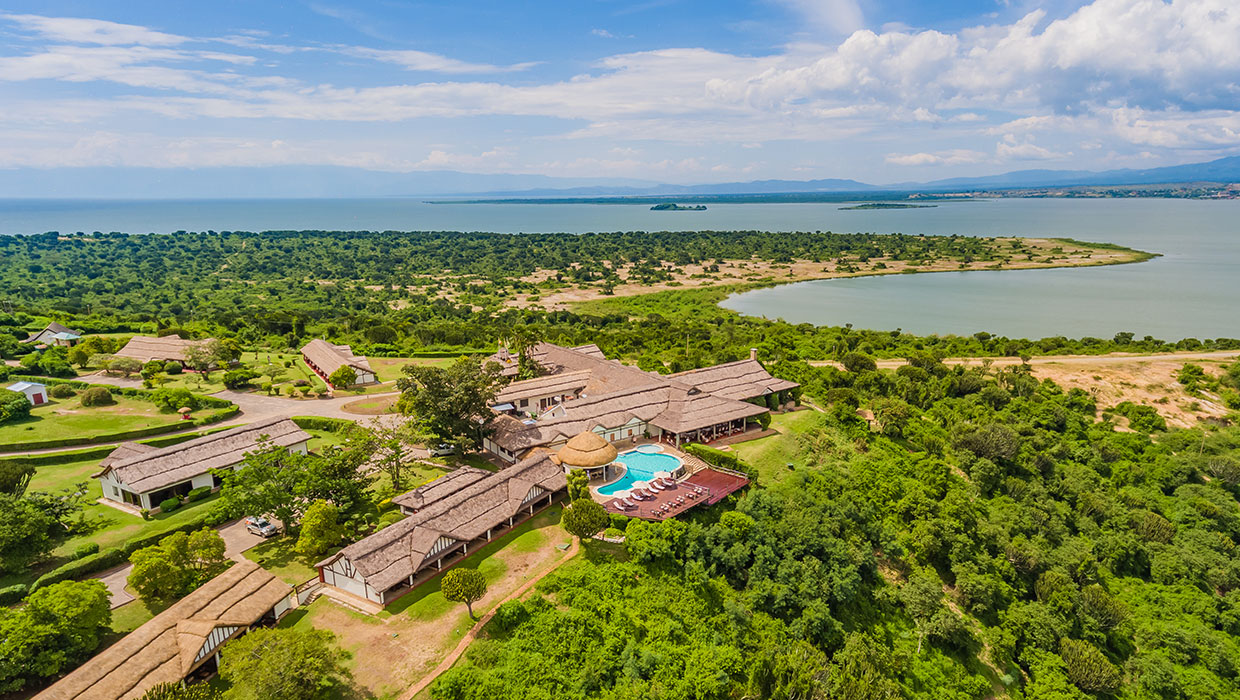
Accommodation plays a major role in shaping your Uganda safari experience. Budget-conscious travellers sometimes choose lodges based solely on price, but location often matters more than cost.
In parks like Queen Elizabeth National Park, wildlife viewing depends heavily on timing. Animals tend to be most active during early morning and late afternoon hours. Staying far from key game drive areas can result in long commutes that cut into these important viewing times.
For example, a lodge located an hour away from a park gate may require you to leave before sunrise just to arrive in time for a game drive. This reduces your overall time in the field and can limit sightings.
Choosing accommodation closer to park entrances or park zones improves your schedule and increases your chances of seeing wildlife.
Avoid unrealistic travel schedules
One of the most common mistakes travellers make when planning a Uganda safari involves trying to do too much in too little time. Uganda may appear small on a map, but travel between parks often takes longer than expected due to road conditions and terrain.
Attempting to combine Murchison Falls National Park, Bwindi, and Kibale National Park within a few days creates a schedule dominated by driving. Instead of enjoying game drives, boat safaris, or forest walks, you may find yourself spending long hours on the road.
Well-planned safaris focus on quality over quantity. Spending at least two nights in each major destination allows you to explore fully and increases your chances of meaningful wildlife encounters.
Avoid visiting without booking key activities
Certain experiences define a Uganda safari, and they require advance planning. Gorilla trekking in Bwindi Impenetrable National Park operates under strict permit limits to protect the animals and their habitat. Only a small number of visitors can track each gorilla family per day.
Also, chimpanzee tracking in Kibale National Park follows similar guidelines. Permits often sell out during peak seasons, and last-minute bookings rarely succeed.
Travellers who arrive without confirmed permits risk missing these signature experiences. Booking early not only secures your spot but also allows you to plan the rest of your itinerary around these activities.
Avoid ignoring seasonal conditions
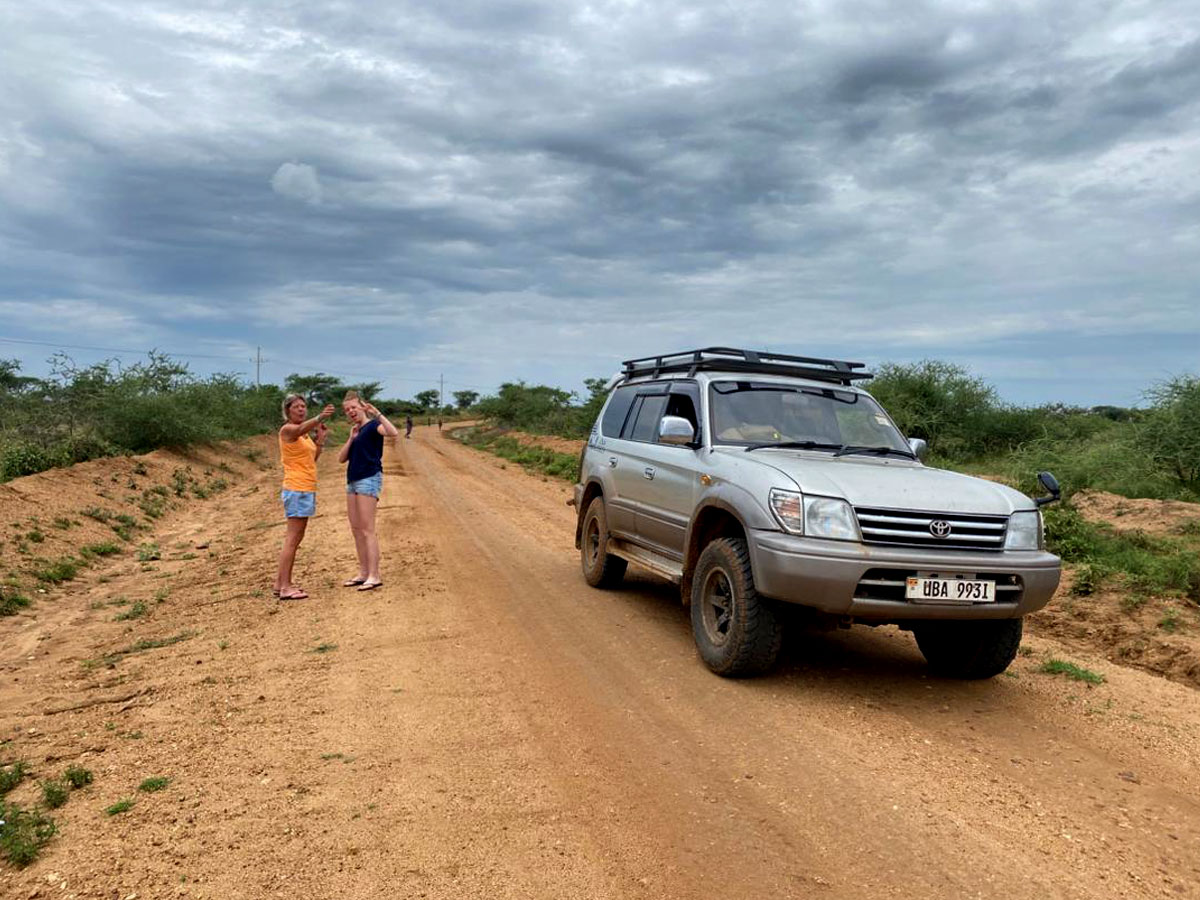
Uganda’s climate plays an important role in shaping your safari experience. The country experiences two main rainy seasons, typically from March to May and October to November.
During these periods, some roads, especially in remote parks can become muddy and difficult to navigate. Travel times may increase, and certain areas may become less accessible, except with 4×4 car rental Uganda.
However, avoiding these months entirely is not always necessary. The rainy seasons bring lush landscapes, fewer tourists, and lower accommodation rates. The key lies in preparation. Travellers who understand the conditions and plan accordingly can still enjoy a rewarding Uganda safari during these times.
Avoid rushing through wildlife experiences
A Uganda safari rewards patience and observation. Wildlife does not follow schedules, and the most memorable encounters often happen when you allow time for nature to unfold.
In destinations like Queen Elizabeth National Park, spending more time near water sources or along the Kazinga Channel increases your chances of seeing large numbers of animals. Hippos, elephants, and crocodiles often gather in these areas, creating dynamic and engaging scenes.
Rushing from one activity to another reduces your ability to notice these moments. A slower pace allows you to appreciate the environment, observe animal behavior, and capture better photographs.
Avoid expecting uniform infrastructure everywhere
Uganda’s appeal lies in its raw and natural environment. Unlike some more commercial safari destinations, Uganda maintains a sense of authenticity that comes with limited development in certain areas. Roads in remote parks may be rough, and travel times can vary depending on weather and conditions. Facilities outside major towns may remain basic, especially in budget accommodation options.
Travellers who expect polished infrastructure at every stage may feel frustrated. Approaching a Uganda safari with realistic expectations helps you appreciate the experience for what it offers: unspoiled landscapes, rich biodiversity, and genuine encounters with nature.
Final thoughts
A successful Uganda safari depends on thoughtful planning and informed decision-making. While the country offers extraordinary destinations and wildlife experiences, avoiding common mistakes ensures that your journey remains smooth and enjoyable.
Focusing on realistic travel times, choosing well-located accommodation, and booking key activities in advance all contribute to a better experience. Instead of trying to see everything at once, travellers benefit from a balanced itinerary that allows time to explore and connect with each destination.
Uganda continues to stand out as one of Africa’s most authentic safari destinations. By understanding what to avoid, you position yourself to fully enjoy the landscapes, wildlife, and unforgettable moments that define a Uganda safari.