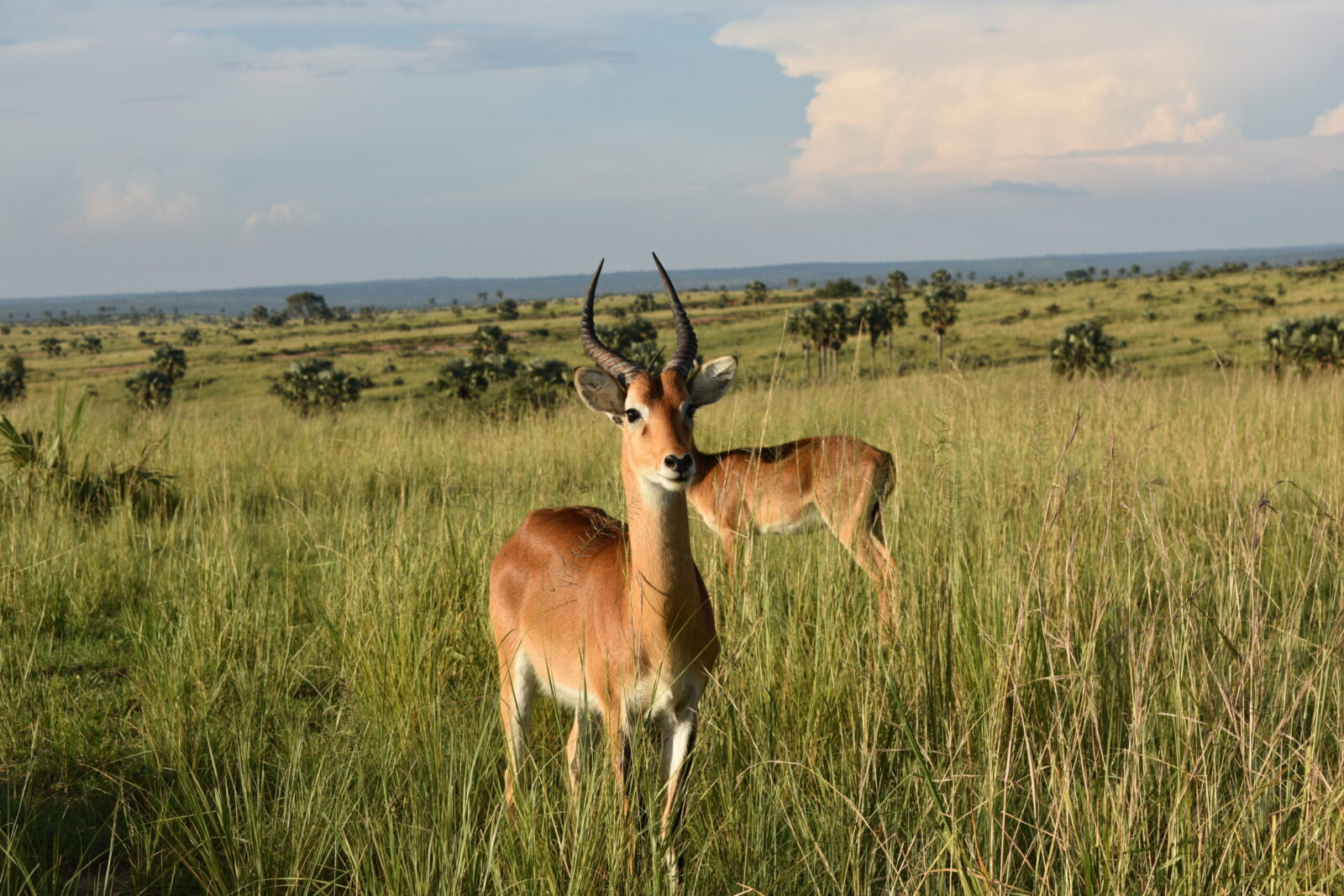
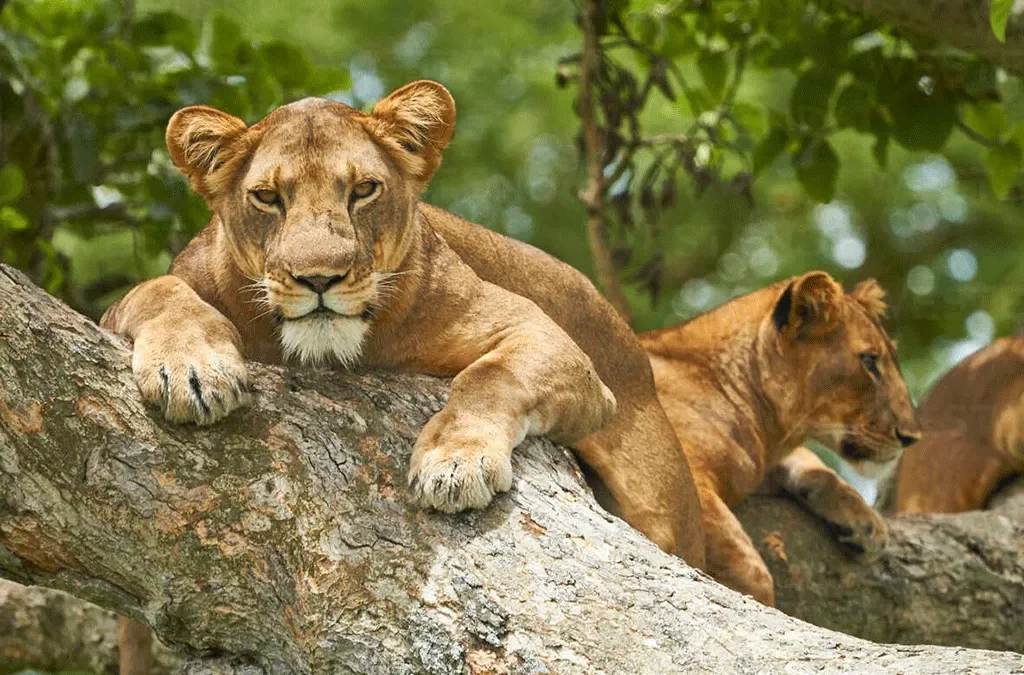
A self-drive safari in Uganda is one of the most rewarding and memorable experiences to add to your travel bucket list. Uganda is home to rich biodiversity, stunning landscapes, and some of the most unique wildlife in the world, including the endangered mountain gorillas.
For adventurous travelers, a self-drive safari in Uganda can be an exhilarating way to explore the country’s national parks, vibrant cities, and breathtaking scenery at your own pace.
However, such an adventure requires careful planning and consideration. This article provides essential tips for a successful self-drive safari trip in Uganda, ensuring that you have an unforgettable experience.
Choose the right vehicle
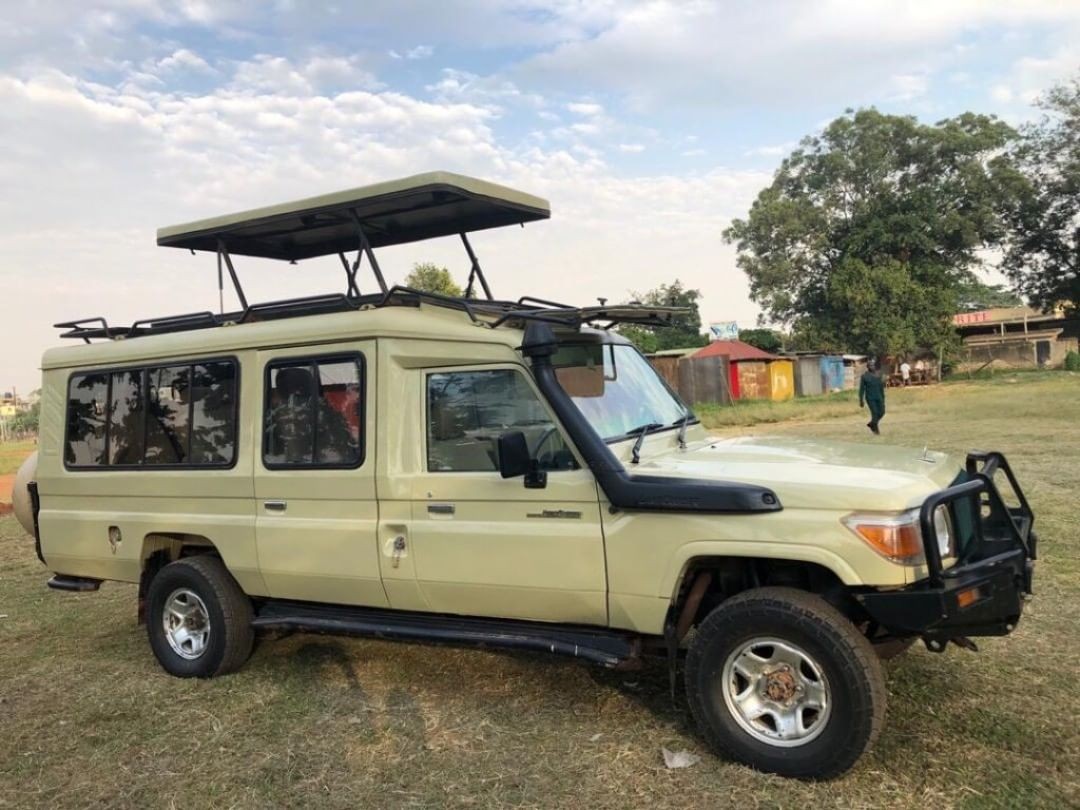
Your choice of vehicle can either make or break your self-drive safari so choose wisely. Most safari destinations like the national parks and mountains are located in remote areas where the roads can be rugged and challenging. You need a 4×4 vehicle that can easily traverse the varying terrains in these regions with ease. A 4×4 guarantees you stability on the road, control and safety.
Also choose a vehicle that can comfortably accommodate everyone in your travel group, together with their gear. A larger vehicle, such as a safari van, provides ample space but may be less maneuverable in crowded areas.
Choose a reliable car rental agency
The Uganda car rental business is booming with hundreds of car rental agencies to choose from. Choosing a car rental company can be a tiring process and sometimes, you may land on a scammer. Jungle Car rental Uganda is a trusted car rental company that provides excellent customer service and always available 24/7 to handle any problems you may encounter on your self-drive journey.
Carefully plan your route
A well-planned route can significantly enhance your self-drive safari experience. Take time to research your safari destinations and ask your car rental provider for recommendations on the best routes. Uganda boasts 10 national parks, including Bwindi Impenetrable National Park, Queen Elizabeth National Park, and Murchison Falls National Park. Research each destination to determine which parks appeal to you most and the specific activities available in each area, such as gorilla trekking, boat safaris, or bird watching. Also, avoid unnecessary detours to save time and money.
Endeavour to have navigation tools like google maps and GPS devices to easily find your way. In case you are visiting remote areas where cellular network may be poor, consider downloading offline maps for easy navigation.
If you get lost along your way, do not hesitate to ask for directions from the locals. Ugandans are very kind people, and they will get you all the help you need.
More still, distances can be deceptive in Uganda due to road conditions and traffic. Factor in extra travel time for stops and slower driving on rough roads and plan your days accordingly.
Always endeavor to check weather forecasts and consider travelling during the dry seasons. Uganda experiences two rainy season (March-May and October to November) and these significantly affect the road conditions especially those in safari destinations. Avoid self-drive during these seasons and if you must drive, consider hiring a rugged 4×4 vehicle.
Follow traffic guidelines
Understanding local driving laws is essential. Drive on the left side of the road, refrain from using your phone while driving, and always wear seatbelts. Be aware that some drivers may not strictly adhere to traffic laws, so stay vigilant.
Ensure personal safety on the road

When embarking on a self-drive safari trip, safety is paramount, both in terms of vehicle and personal security.
Always stay alert and pay attention to road conditions, especially in rural areas where wildlife may wander onto the roads unexpectedly. Avoid distractions and keep your focus on the road.
While driving in national parks or through forests, wildlife encounters are very common and, in most cases, unexpected. Obey all park rules and regulations. Keep a safe distance from wildlife, and do not attempt to feed or provoke animals. Remember that some animals may be unpredictable and could pose a danger.
For personal and vehicle safety, you need car essentials like a basic first aid kit, a spare tire, and essential tools for minor repairs. It’s also wise to have the contact details of your rental company and a local emergency service on hand in case of an accident or breakdown.
Plan for accommodations wisely
Planning your accommodations in advance will enhance your safari experience. Depending on your itinerary, make reservations for campsites, lodges, or hotels well ahead of your arrival. Some accommodations are popular and can fill up quickly, especially during peak seasons and it is distressing to embark on a self-drive trip without having made a reservation for where you will be staying.
Uganda offers all classes of accommodations ranging from budget campsites/guest houses to luxury hotels and lodges. Choose an accommodation that is in or near the attractions you want to visit.
Take time to research these accommodations to understand what amenities are available. Some lodges offer guided safari tours, meals, and other amenities, while others may be more basic. Choose what best suits your preferences and budget.
Engage with locals
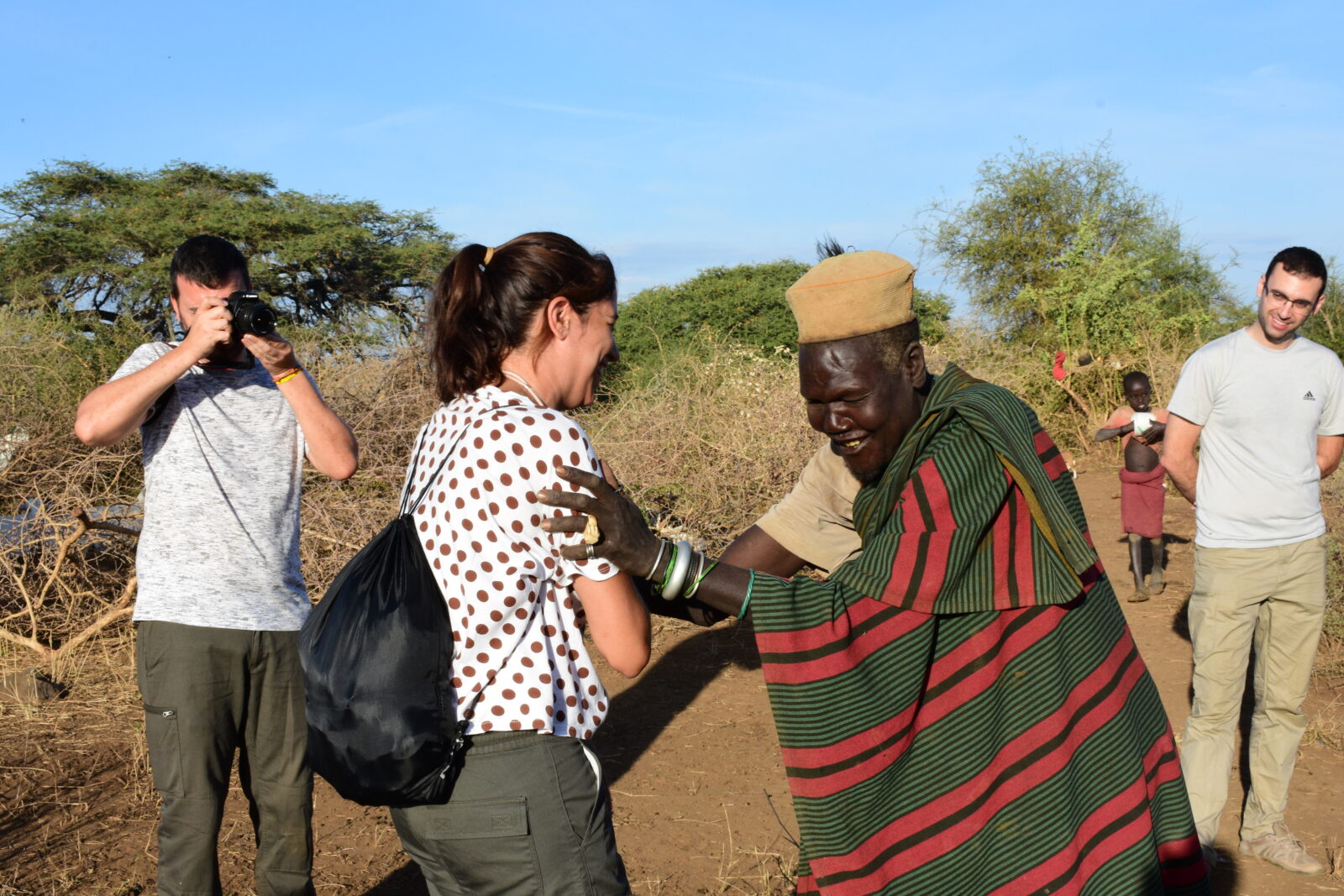
A self-drive safari isn’t just about wildlife; it’s also an opportunity to connect with Uganda’s diverse cultures.
Understanding and respecting local customs and traditions is crucial. Basic greetings in Luganda or other local languages can go a long way in showcasing your appreciation for the culture, and makes the locals warm up to you with ease.
Also, consider supporting local communities by buying local crafts, food, or souvenirs from local vendors rather than large commercial shops. This not only enriches your experience but also supports the local economy. If you can, you may donate towards specific causes in the local communities that you visit.
You cannot enjoy a self-drive safari without trying out the local cuisine. Don’t miss out on trying traditional dishes like matoke (steamed green bananas), posho (maize porridge), and Rolex (a popular street food made of eggs and chapati). Experience local dining establishments to immerse yourself in the food culture.
Insurance coverage
Insurance coverage is one of the most crucial things to consider before embarking on a self-drive safari. Anything can happen along the journey, so you need insurance to cover all those uncertainties.
Confirm that your rental vehicle comes with ample insurance coverage. Ensure that all necessary documentation, including your driving license and rental agreement, is readily available in case you encounter any checkpoints.
Road assistance essentials
On top of the insurance coverage, you need road assistance tools to help you out in case of a breakdown, or personal emergency. These include but not limited to the following.
- Car jack
- Spare tire
- Jumper cables
- Emergency contact numbers
- Flashlight
- First aid kit
- Food/snacks
- Drinking water/refreshments
- Phone charger/power bank
- Maps or GPS
Do not drive at night!
This is important as a tourist. Much as driving in the night is very convenient for most drivers, driving at night in a new territory is such a bad idea. In Uganda for example, most of the highway and remote roads are unlit making visibility impossible.
Furthermore, drivers in Uganda can be very reckless in the night because they know that there are not so many traffic police on night duty. Statistics show that the biggest parentage of road accidents and deaths occur in the night therefore you should avoid it as much as possible.
Final thoughts
As a visitor, it’s important to leave the environment as you found it.
Maintain cleanliness by disposing of your waste responsibly, and avoid littering, especially in national parks. Use designated waste disposal bins, or pack out what you bring in.