Saving fuel on a Uganda self-drive safari is an important consideration for an unforgettable experience. Embarking on a safari in Uganda is an experience that stays with you for a very long time. While navigating the diverse terrains from the savannahs to forests, fuel efficiency becomes an important consideration.
Ever imagined running out of fuel in the middle of nowhere? Well, it is one of the most devastating incidents that can ruin your entire safari experience.
Fuel costs can quickly add up and let’s face it; it is one of the biggest expenditures for a safari trip because typical safari drives are very long; often taking more than 6 hours. Another challenge is that fueling stations are very scarce especially in remote areas where safari destinations are located.
This means that you have to seriously consider fuel saving practices to avoid inconveniences. In this article, we’ll explore practical tips to help you save fuel on your safari trip in Uganda, ensuring that you enjoy your adventure while being mindful of your budget.
Choose fuel efficient vehicles vehicle
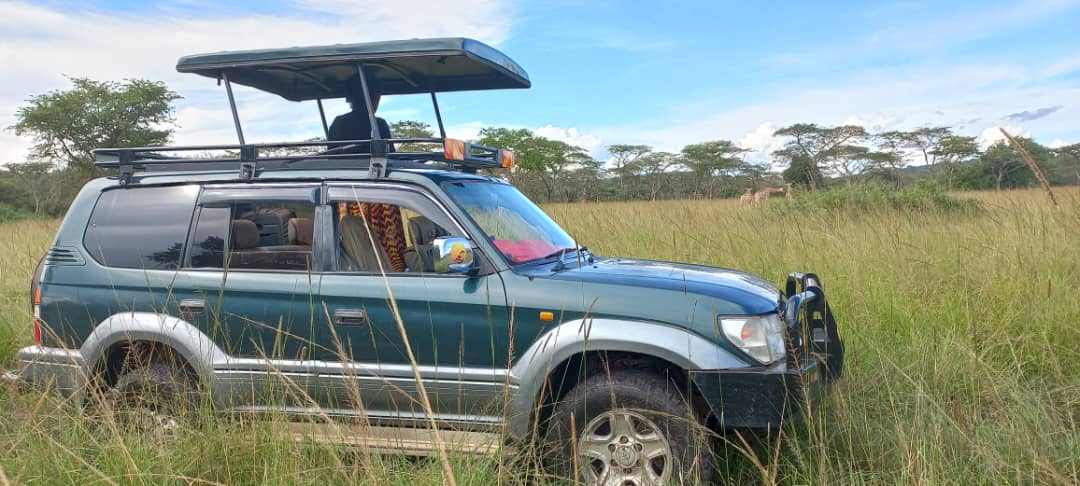
One of the most crucial factors influencing fuel consumption is the type of vehicle you choose for your safari. Opt for a fuel-efficient model, preferably a compact SUV or a four-wheel-drive vehicle designed for rugged terrains. Conduct thorough research on the fuel consumption rates of various vehicles before making a decision. Vehicles with larger engines typically consume more fuel, while smaller, lighter vehicles tend to offer better mileage.
Plan your itinerary wisely
Planning your route effectively can significantly save on fuel. Map out your itinerary to minimize backtracking and unnecessary detours. Focus on visiting nearby parks or attractions to avoid extended driving distances.
Uganda is relatively small, and many major attractions like Queen Elizabeth National Park and Bwindi Impenetrable Forest are within a manageable distance; compared to other countries like Tanzania or Kenya. Use navigation apps to assess travel times and distances to ensure efficient routing. Also, avoid round trips if possible.
Avoid rush hours.
This is applicable in Kampala because traffic congestion is a serious concern especially during the morning and evening rush hours. If your schedule permits, aim to start your day very early in the morning to avoid heavy traffic around major towns. Early morning drives along scenic routes will allow you to enjoy the sunrise and witness wildlife emerging for the day.
Drive smoothly
If you’ve opted to self-drive, endeavour to maintain a steady speed and drive smoothly. Much as aggressive driving may be in your nature, rapid acceleration and hard braking can lower your vehicle’s fuel efficiency by up to 33% on the highway and 5% around town.
Adopt a smoother driving style through gradual acceleration. If you have the ability and you are on the open road, modern-day cruise controls are very effective in maintaining a more consistent pace as well, but that depends on the type of car you have.
Note that on major highways, speed limits are 100kmph and exceeding this not only costs you fuel but may fetch fines of $35-$150.
Pack light
A safari trip can be very exciting and with so much anticipation, travellers tend to pack things they won’t even need or use and forget that carrying excess weight can reduce fuel efficiency in your vehicle. When you pack, make a plan and stick to it, prioritizing only the things you need for the trip.
If you are traveling with an excessive amount of luggage, you may want to hire a car that has cargo racks maximized for your vehicle’s specific aerodynamics. Also, there are very many enticing things you could be tempted to purchase while on your safari trip. Consider buying lightweight souvenirs that can fit in your hand luggage to avoid increasing the load.
Check tire pressure
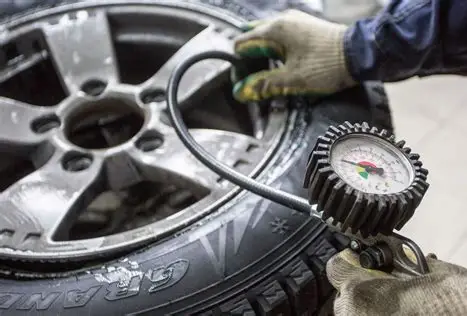
Under-inflated tires can increase fuel consumption by up to 3% which can add up over a long trip. Also, check for any damage to the tread patterns or if there’s any impending trouble with the wheel itself.
Properly pumped tyres have less contact with the road which reduces friction and rolling resistance. With less resistance, your wheels can roll more easily, requiring less energy to maintain speed.
According to the US department of energy, properly inflated tyres can improve fuel efficiency up to 3%, and if all your tires are underinflated by 10 psi, this could reduce fuel efficiency by up to 10%. Always make sure that your tyres have enough pressure and change the Under-inflated ones for a safer and more economical trip.
Avoid idling
While it may be tempting to leave your vehicle running during breaks especially to enjoy the scenery or observe wildlife, this practice wastes fuel. Turn off the engine whenever you plan to stop for an extended period, such as for meals or during wildlife viewing. Engine idling can consume significant fuel over time, so be mindful of the time spent with the engine running.
Optimise the use of AC
Many of us know that driving with AC on actually increases fuel consumption and not reduce it. Much as that is true, there are circumstances where ac will reduce fuel consumption for example driving with windows open at high speeds (above 80kmph) increases air resistance making the engine burn more fuel. Instead of opening windows, you can turn on your ac to reduce drag.
Final thoughts
Saving fuel on your safari trip in Uganda not only helps reduce costs but also contributes to a more sustainable travel experience and adopting fuel-efficient driving habits can enhance your adventure while minimizing your environmental impact. The beauty of Uganda is best enjoyed at a leisurely pace, so take your time and immerse yourself in the experience.
Fuel efficiency is a blend of careful planning and mindful driving practices, allowing you to focus on what truly matters; the unforgettable moments of your safari adventure. Ultimately, every drop of fuel saved enhances the memories you create during this once-in-a-lifetime journey through the heart of Uganda.