Rooftop camping is a stylish way to reconnect with nature, reflect, escape the hustle and bustle of city life. It is also a good way to unwind and enjoy the great outdoors. Rooftop Camping gives you the flexibility travel at your own pace and is one of the best ways to conveniently explore Uganda.
History of rooftop camping
Camping as a recreational activity gained popularity in the early 20th century, particularly among elites. It became a mainstream family vacation choice in the 1950s and 1960s. By the 1970s, camping was an established family holiday standard.
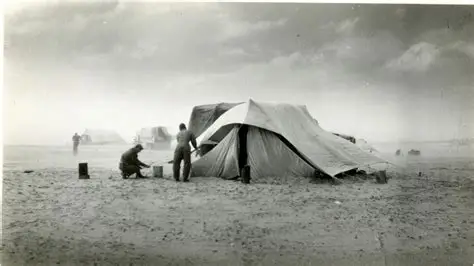
After, WW2, camping became even more popular. Soldiers returning from the war sought to reconnect with nature and find peace and solitude in the great outdoors. Because of this popularity, organizations were founded to encourage people to camp. This was because of the physical and mental benefits it offers.
Some of these organizations include the Boy Scouts, Girl Scouts and YMCA. These have been instrumental in promoting camping as a way to build character, leadership skills, and physical fitness in young boys.
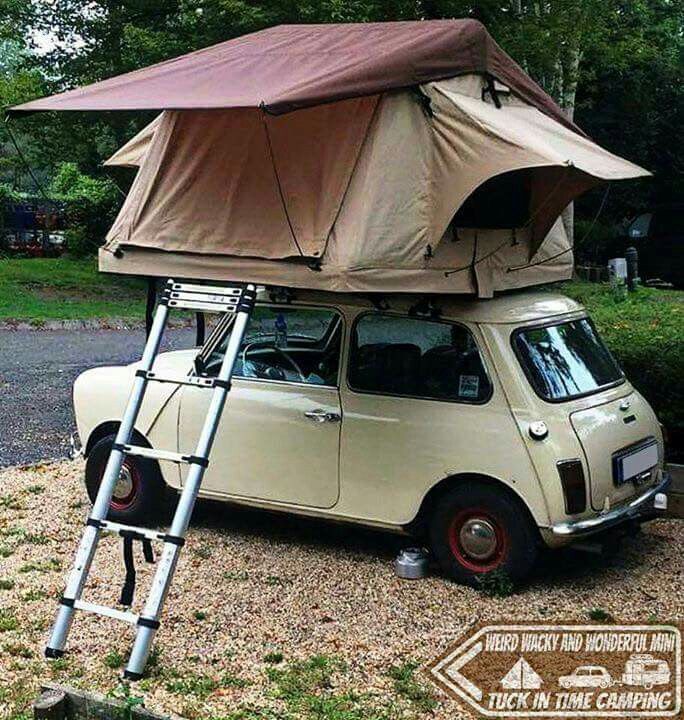
Furthermore, rooftop camping has its roots in overlanding, a style of travel that involves exploring remote areas in a vehicle. Early rooftop camping tents were often makeshift or custom-built solutions. However, modern rooftop tents are designed specifically for vehicles. They have features like waterproof materials, comfortable mattresses, and easy setup.
Rooftop camping today
Today, rooftop camping is a widely recognized recreational activity in Uganda and is enjoyed by millions throughout the year. Multiple camping sites have been established in different destinations. There are a wide variety of camping styles and locations to choose from.
In Uganda, rooftop camping is popular among campers because of its convenience and flexibility. This makes it a unique and memorable experience for travelers who wish to immerse themselves in the stunning landscapes and vibrant culture of the country.
More so, is a budget friendly way of exploring Uganda. You don’t have to spend $100+ per night at a hotel or going out to eat. You basically have a mobile home for your adventure!
Tents for rooftop camping are now more accessible and affordable and many car rentals in Uganda offer vehicles with rooftop tents at very affordable prices. You can even get a vehicle with a rooftop tent for a low as $85.
Rooftop camping allows for flexibility in travel plans, with the ability to camp in various locations and also provides scenic views and a sense of elevation.
Popular vehicles with rooftop tents
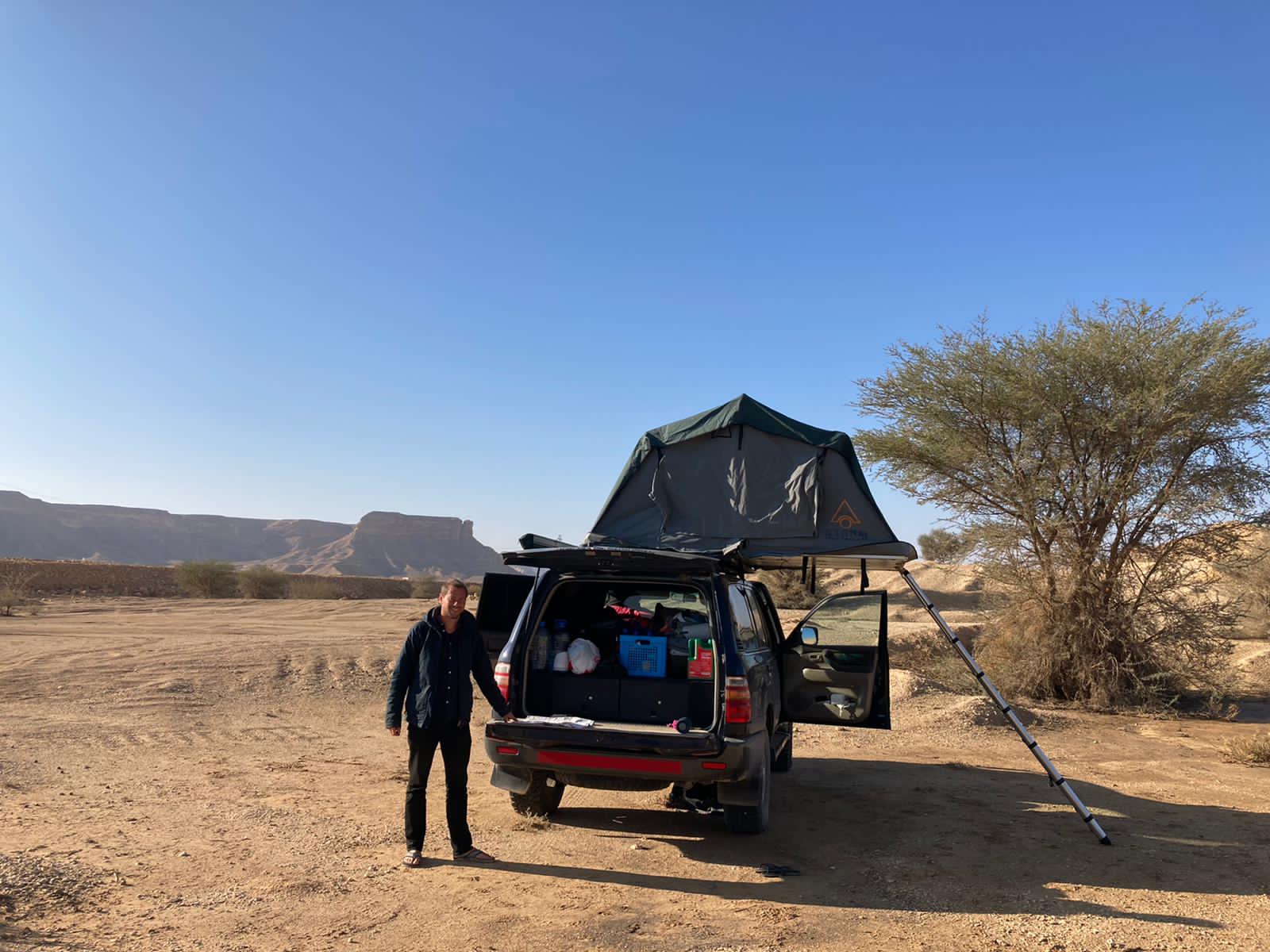
If you’re considering rooftop camping in Uganda, these are some of the best vehicles you can choose from.
- Toyota Land Cruiser Prado
The Land Cruiser Prado, especially the TX/TZ models, is a popular choice for couples and small groups due to its smaller size and fuel efficiency.
- Toyota Land Cruiser 78 series
This series is known for its robust construction and ability to handle challenging terrain, making it ideal for family vacations and wildlife watching in Uganda.
- Toyota Land Cruiser Extended
The Toyota Extended Land Cruiser model is suitable for larger groups or those who prefer more space. It’s known for its manual transmission and can accommodate two rooftop tents.
- Toyota Land Cruiser V8
The Land Cruiser is a luxury option, often used for longer overland journeys and offers features like a pop-up roof for comfortable game viewing.
The Toyota Land cruiser vehicles are the most reliable off-road vehicles for rooftop camping. They are powered by a strong engine, have a high ground clearance, 4×4 system and offer ample space for both the passengers and their camping gear.
Popular rooftop camping destinations
Queen Elizabeth National Park
This popular national park in western Uganda offers excellent rooftop tent camping spots.
- Mweya Campsite: Set beside the Kazinga Channel with views of hippos and antelope grazing nearby. It is perfect after a day of game drives.
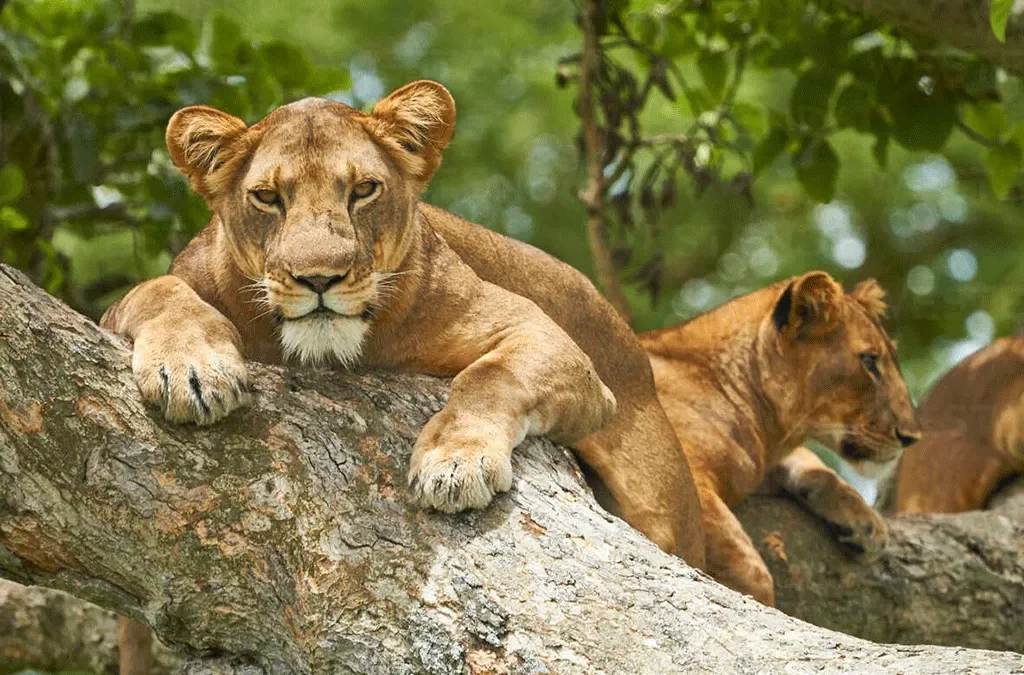
- Ishasha Wilderness Camp: Ideal if you want to stay near the southern sector with its famous tree-climbing lions.
These campsites offer basic facilities and are safe for vehicle-based camping, and are run either by Uganda Wildlife Authority or private operators
Rooftop camping in Murchison Falls National Park
Murchison falls National Park is great for both wildlife and misty waterfalls.
- Murchison River Lodge Campsite: This organized site has space for rooftop tents, showers, toilets, fire pits, and even a bar.
Camp with views of the Nile and enjoy easy access to game drives and boat safaris.
rooftop camping in Bwindi Impenetrable Forest National Park
For gorilla-tracking adventures and jungle camping:
- Buhoma Rest Camp: This is a popular choice where rooftop tent campers can set up close to gorilla trekking starting points and enjoy jungle sounds at night.
This is perfect for travellers combining camping with gorilla trekking.
Rooftop camping in Kidepo Valley National Park
This is one of Uganda’s most remote and authentic wild parks with rugged and breathtaking views.
- Apoka Rest Camp: Ideal for rooftop tent camping with basic facilities, close to wildlife sightings like elephants, buffalo, and antelope.
- Kakine Campsite: Offers elevated views over the Narus Valley plains and is excellent for sunsets and stargazing.
Rooftop camping in Lake Mburo National Park
Located in Mbarara, it is closer to Kampala and perfect for weekend rooftop tent trips. Lake Mburo is smaller but especially good for travellers with less time.
- Rwonyo Campsite & Eagle’s Nest: Both provide scenic plains views and good access to wildlife like zebras and impala.
Lake Bunyonyi
Not technically a national park, but one of Uganda’s most scenic rooftop camping locations. Campsites around the lake and nearby islands offer peaceful waterfront camping great for kayaking, birdwatching, or just relaxing by the water.
There are also private campgrounds like Byoona Amagara Island Retreat or Bunyonyi Overland Resort, popular among rooftop tent travellers.
Final thoughts
Wild camping outside official campsites and national parks is generally not allowed and unsafe due to wildlife and land rights issues. Always use established sites inside parks or private grounds to avoid fines and risks.
Also, national park campsites typically charge a modest fee (often around US $5–$10 per person per night), payable at park entrances or campsite reception. Private campgrounds may offer slightly higher fees but sometimes include amenities like showers, restaurants, and Wi-Fi.
For a memorable rooftop camping experience in Uganda, a 4×4 vehicle is essential for accessing rugged roads, especially in remote parks. Many rental companies even offer rooftop tent packages with gear included.
Always camp at cleared, level ground away from animal trails, secure food and trash to avoid attracting animals at night.
Finally, avoid camping between water sources and animal grazing routes especially hippos, which follow rivers after dark.