If there is one place that defines wildlife tourism in Uganda, it is Bwindi Impenetrable National Park. Located in southwestern Uganda along the edge of the Rift Valley, Bwindi is world-famous for its mountain gorillas and dense, ancient rainforest.
It is also UNESCO World Heritage Site and one of the most biologically diverse forests in Africa and the premier destination for gorilla trekking in Uganda.
History and conservation background
Bwindi Impenetrable National Park was established in 1991 to protect the endangered mountain gorilla population. The forest itself is over 25,000 years old, making it one of Africa’s oldest rainforests.
The park also became a UNESCO World Heritage Site in 1994 due to its exceptional biodiversity and ecological importance.
Conservation efforts have been highly successful, with gorilla populations steadily increasing thanks to strict protection policies, community involvement, and responsible tourism.
Why is Bwindi Impenetrable National Park very popular?
Bwindi is home to nearly half of the world’s remaining mountain gorillas. You can only find these gentle giants only in Uganda, Rwanda, and the Democratic Republic of Congo. There are over 20 habituated gorilla families open for tourism. Visitors have a one-hour close encounter with the gorillas after hours of trekking to find them. The dense tropical rainforest setting, exceptional biodiversity and cultural encounters with the Batwa community make Bwindi a must-visit!
Gorilla trekking in Bwindi Impenetrable National Park
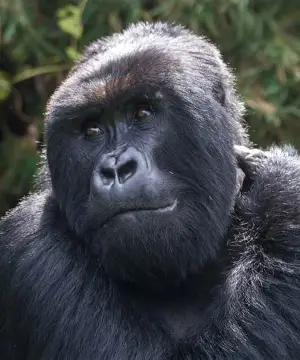
Gorilla trekking begins early in the morning with a briefing at the park headquarters. Visitors are assigned to a specific gorilla family and guided by trained rangers.
The trek can take anywhere from 1 to 6 hours depending on the location of the gorillas. Once located, visitors spend one magical hour observing them. Visitors will see Silverbacks protecting their families, mothers nursing babies, juveniles playing and also gorillas feeding on vegetation
This is one of the most powerful wildlife experiences in the world.
Gorilla trekking sectors
Bwindi has four main trekking sectors. Each sector offers a unique experience, and permits are sector-specific
- Buhoma sector: The most popular and easily accessible sector. It has several lodges and was the first area to offer gorilla trekking.
- Ruhija sector: This sector has higher altitudes and beautiful scenery. It is ideal for bird watchers.
- Rushaga sector: This one as the highest number of gorilla families. It also offers gorilla habituation experiences.
- Nkuringo sector: It is remote and scenic with challenging treks but rewarding views.
How much do gorilla trekking permits costs?
The Uganda Wildlife Authority (UWA) issues the gorilla trekking permits, but you can also purchase them through a trusted tour operator. As of 2026, foreign non-residents pay $800 per person while foreign residents pay $700 per person. Ugandans and other East African citizens only pay UGX 300,000(Approximately $90)
Permits include park entry and ranger guide fees. You must book the permits in advance, especially if you intend to travel during the peak season.
Other Activities in Bwindi
Although gorilla trekking is the main attraction, there are several additional activities:
- Gorilla habituation experience: Available in Rushaga sector, this allows visitors to spend up to 4 hours with a semi-habituated gorilla family.
- Bird watching: Bwindi hosts over 350 bird species, including 23 Albertine Rift endemics making it a haven for bird enthusiasts.
- Nature walks: Guided forest walks offer opportunities to see monkeys, waterfalls, and unique plant species.
- Batwa cultural experience: Visit the local Batwa community and learn about the indigenous Batwa people who once lived in the forest before it became a national park. Additionally, you may organise with your tour operator to visit a local family and learn more about their way of life.
It is important to note that Bwindi is not just about gorillas. The dense forest is home to other animal species for example forest elephants, l’hoest’s monkeys, balck and white colombus monkeys, bush pigs, duikers and many more. However, these animals are harder to spot due to the dense forest but when luck permits, you may actually spot them.
Accommodation options in Bwindi Impenetrable National Park
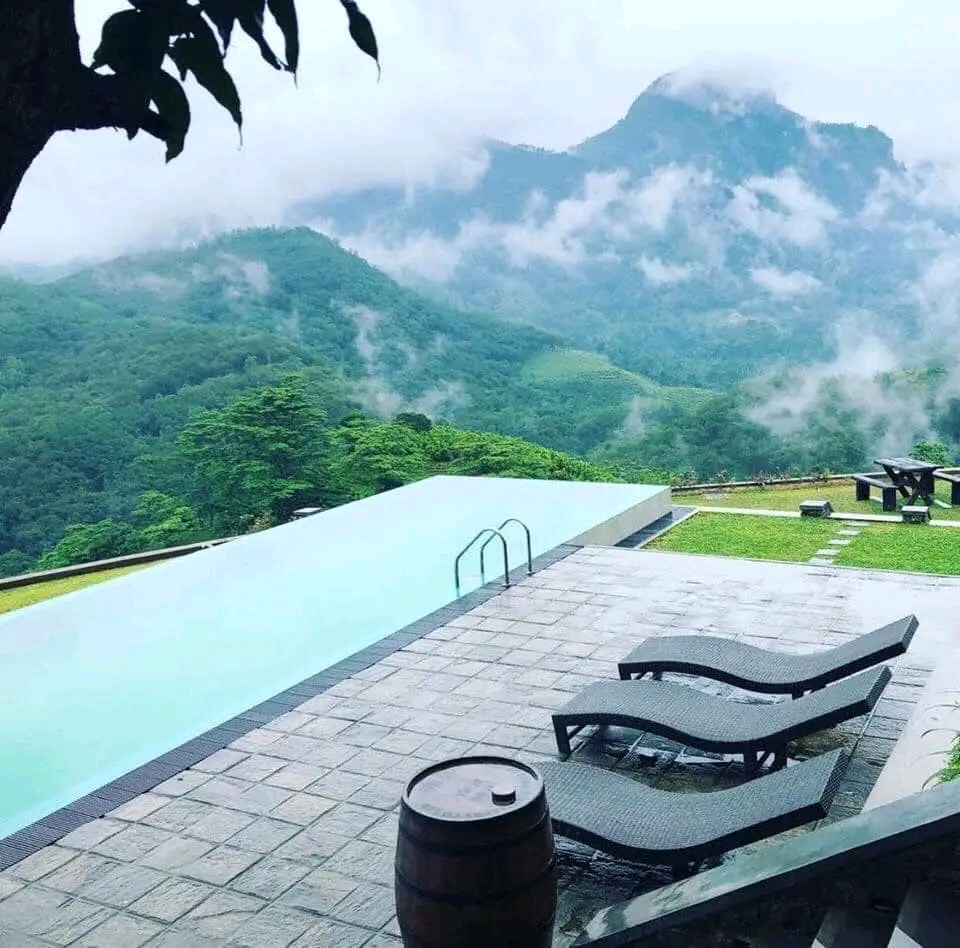
Luxury lodges
- Sanctuary Gorilla Forest Camp
- Clouds Mountain Gorilla Lodge
- Mahogany Springs Lodge
These offer premium comfort, fine dining, and stunning forest views.
Mid-Range lodges
These are also comfortable and strategically located near trekking starting points.
- Silverback Lodge
- Engagi Lodge
- Ichumbi Gorilla Lodge
Budget options
- Community guesthouses
- Campsites
- Basic safari lodges
These are ideal for backpackers and budget travelers.
When is the best time to visit Bwindi Impenetrable National Park?
Bwindi is open year-round, but the best time for trekking is during the dry seasons of June to September and December to February. Trails are less muddy and trekking is easier during these months. However, the rainy seasons (March–May and October–November) make the forest lush and beautiful, but hikes can be more challenging and the roads also very slippery.
How can you get to Bwindi Impenetrable National Park?
Most visitors access the park by road since they have other stopovers. Bwindi is Approximately 8–10 hours from Kampala via Mbarara or Kabale. You can rent a vehicle from a reputable Uganda Car Rental company. Jungle Car Rental Uganda offers 4×4 vehicles in good mechanical conditions and the booking process is smooth and clear. On top of vehicles, we also help you purchase the gorilla trekking permits at no extra cost.
Alternatively, you can book domestic flights that operate at Entebbe International Airport to Kihihi Airstrip for Buhoma and Ruhija sectors or to Kisoro Airstrip for Rushaga and Nkuringo sectors. Flying significantly reduces travel time especially if you do not have any detours planned in your itinerary.
Important gorilla trekking tips
Permit requirements
- An official gorilla trekking permit is mandatory for every person entering a gorilla habituation area.
- Permits must be obtained in advance and are non-transferable.
- Permits are date-specific and sector-specific (Ruhija, Rushaga, Buhoma, Nkuringo).
- You must carry your original government-issued ID or passport while trekking.
Minimum age limit
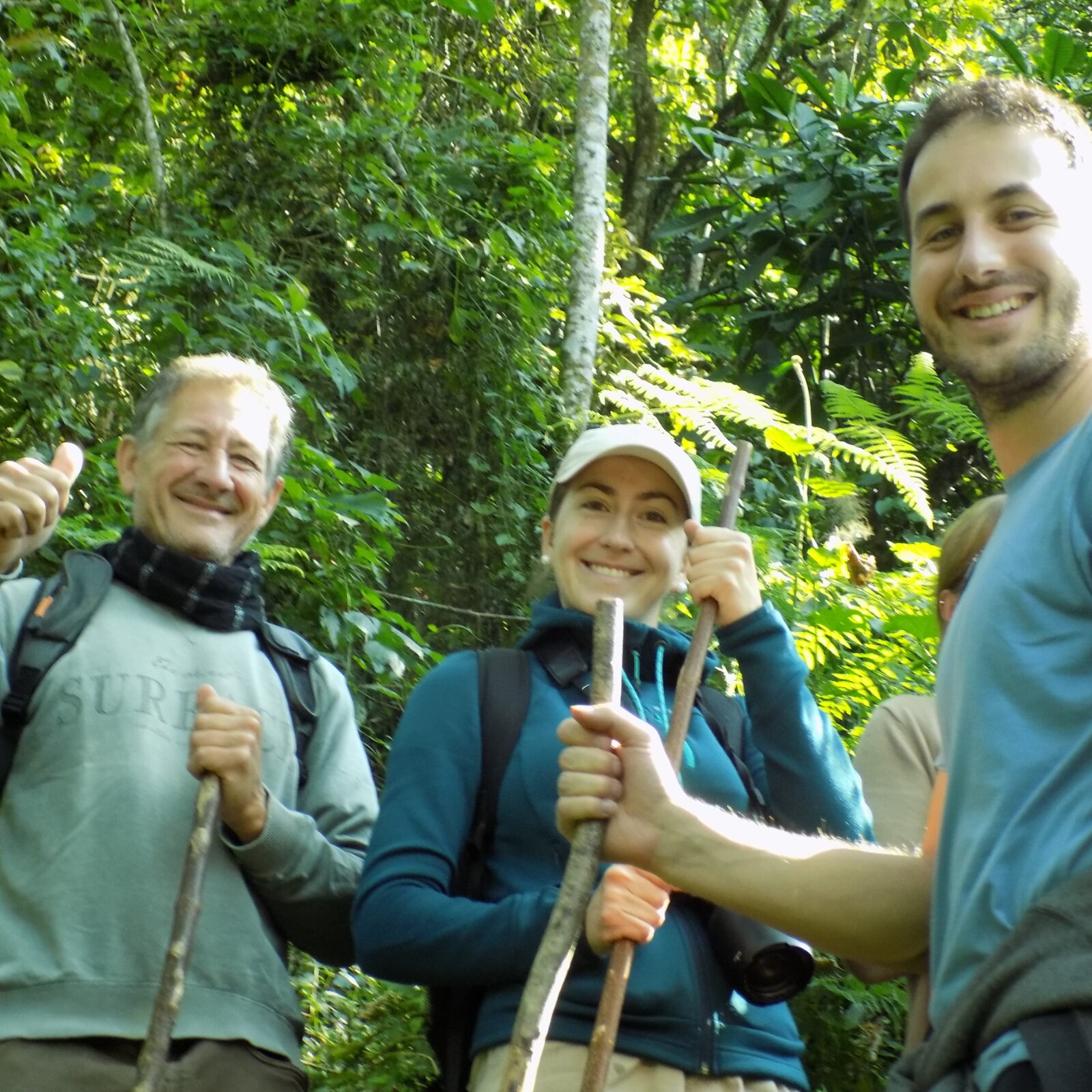
- The minimum age to participate in gorilla trekking is 15 years. This rule protects both children and gorillas from stress and disease transmission.
Group size and time limit
- Only 8 visitors are allowed per gorilla group per day.
- Once gorillas are located, visitors may spend up to one hour with the gorillas. The one-hour limit is strictly enforced to minimize stress and disease risk.
Health and disease prevention.
Because gorillas share close DNA with humans, human diseases can be deadly to them:
- Anyone who is sick, coughing, feverish, or showing flu symptoms should not trek
- Maintain proper hygiene
- Sleeping in the gorilla forest the night before is not permitted
Keep a safe space
- Visitors must remain at least 7 metres (about 23 feet) away from the gorillas at all times.
- Do not attempt to touch, feed, or attract gorillas with food or objects.
- Always follow the guide’s instructions regarding positioning.
Noise and behavior standards
These are set to avoid frightening or provoking gorillas
- Maintain silence
- No clicking of cameras repeatedly
- Avoid sudden movements
- Also, turn off flashes during photography
- No eating/drinking near the gorillas
- Stay calm and quiet
Your guide will coach you on proper behavior once the gorillas are found.
Porters
- Local porters are available, often recommended especially for steep or slippery sections.
- Porters must be registered with UWA. Sometimes, you may not need their services because ideally, you may not have luggage. However, most tourists hire them out of humanitarian reasons to support their livelihoods.
Environmental protection
- Do not litter.
- Every visitor must carry out any waste they bring in.
- Respect trail and forest rules.
Prohibited items
- Weapons
- Firearms
- Sharp tools
- Harmful chemicals
- Drones (without special permission
- Feeding gorillas or any wild animal is strictly forbidden.
Final thoughts
Gorilla tourism in Bwindi directly supports conservation and local communities. A portion of permit fees is shared with surrounding communities to fund schools, health centers, and infrastructure. This model has significantly reduced poaching and improved livelihoods.
Bwindi offers a once-in-a-lifetime gorilla encounter due to its incredible biodiversity, cultural immersion as well as the sustainable tourism impact. Very few wildlife experiences compare to standing just meters away from a wild mountain gorilla in its natural habitat.
Ultimately, Bwindi Impenetrable National Park is not just a safari destination. It is a deeply moving conservation success story and also one of the most extraordinary wildlife experiences on Earth. For travelers seeking authentic, meaningful, and world-class wildlife encounters in Uganda, Bwindi Impenetrable National Park stands unmatched.