Following traffic guidelines is one way to enjoy a self-drive trip in Uganda without getting into any trouble. Self-drive through Uganda is an exhilarating way to explore the country’s stunning landscapes, rich culture, and diverse wildlife.
However, for tourists, navigating Uganda’s roads requires a keen understanding of local traffic guidelines. Adhering to these rules is not only crucial for your safety but also for the safety of other road users.
Uganda’s traffic guidelines are designed to ensure safe and efficient transportation. The Traffic and Road Safety Act govern these laws, which apply to all road users, including tourists. Familiarizing yourself with these regulations can enhance your driving experience and prevent legal troubles. As the saying goes “Ignorance of the law is no defense,” you have to be acquainted with the knowledge regarding local traffic rules.
In this comprehensive blog, we dive deeper into these traffic guidelines to ensure that you have a smooth and stress-free self-drive experience.
Speed limits
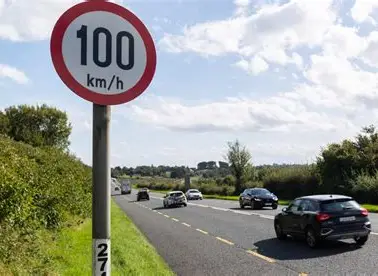
One of the most important traffic guidelines in Uganda concerns speed limits. These limits may vary based on the type of road or area you are in.
- Urban areas/city centers: The maximum speed limit is 50 km/h (31 mph).
- Rural roads: The limit is typically set at 80 km/h (50 mph).
- Highways: The maximum limit can go up to 100 km/h (62 mph)
- National parks: Do not exceed 40km/h when driving in national parks
As a tourist, it’s vital to watch for speed limit signs and adjust your speed accordingly. Failing to adhere to these limits can result in fines of $30-$100 and possible legal action. More still, you are putting other road users at risk.
Seatbelt regulations
Wearing a seatbelt is mandatory for all passengers in the vehicle. This regulation applies regardless of seating position. Ensure that everyone in your car is buckled up to comply with Ugandan law and enhance safety.
It is essential to check that the seatbelts in your car rental are fully functional. If they are not, ask your car rental provider to fix them before you head out for your adventure.
Alcohol and drug use
Driving under the influence of alcohol or drugs is strictly prohibited in Uganda. The legal blood alcohol limit is set at 0.08%. However, it’s safest to abstain from drinking if you plan to drive. In Uganda, traffic police deploy random operations to cab drivers under the influence of alcohol and penalties are very heavy.
You may be fined up to $150, and depending on the level of alcohol in our system, you could face possible jail time and suspension of your license.
Should you consume alcohol and feel that you cannot drive, use other alternatives like UBER, or call your car rental agency to send you a driver. It is safer than putting your life and other lives at risk.
Driving on the left
In Uganda, vehicles drive on the left side of the road. This may be unfamiliar for tourists from countries where driving is on the right side. Take the time to adjust mentally, especially when making turns or navigating roundabouts.
Traffic signals and signs

Understanding traffic signals and road signs is crucial for safe driving. Just like anywhere else in the world, traffic light colors literally mean the same thing for example:
- Red light: Stop completely.
- Green light: Proceed when safe.
- Yellow light: Prepare to stop; it indicates that the light is about to turn red.
- Stop signs: Come to a complete stop before proceeding.
- Yield signs: Give way to oncoming traffic.
As a tourist, familiarizing yourself with local signs and signals can help you navigate the roads more effectively. It is important to note that not all drivers in Uganda follow these traffic signals and signs so be vigilant on the road and look out for such drivers.
Use of indicators
Always use your vehicle’s indicators when changing lanes, turning, or merging. This simple practice communicates your intentions to other road users and is essential for safe driving.
Respect pedestrians and wildlife
Pedestrians have the right of way at marked crossings. As a driver, you are required to yield to pedestrians, especially in urban areas. Being vigilant about pedestrian activity can significantly reduce the risk of accidents.
In some areas near game parks or forests, it is common to encounter wild animals crossing the roads or just chilling in the middle of the road. It is important to be patient and wait for them to go their way. Sometimes, they may cause traffic delays, so it is important to exercise patience in these regions.
Mobile phone use
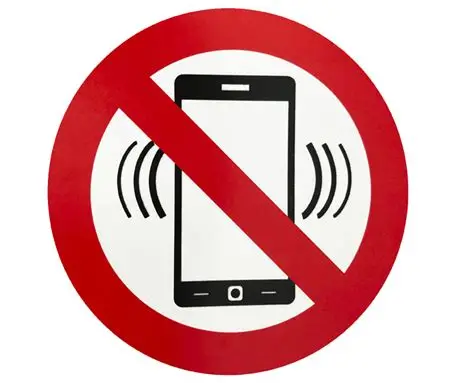
Using a mobile phone while driving is prohibited unless you are using a hands-free device. To avoid distractions, it’s best to pull over to a safe area if you need to make a call or send a text.
Vehicle condition
Ensure your vehicle is in good condition before setting out on your journey. Check that the brakes, lights, and tires are functioning properly. If you are renting a vehicle, ensure it meets safety standards and is adequately insured.
Note that traffic police have a right to fine you if they feel that your vehicle is a dangerous mechanical condition. It is your duty as a driver to ensure that your vehicle is safe for both you and other road users.
Overloading restrictions
One of the most important traffic guidelines is to avoid overloading your vehicle. Each vehicle has a specified weight limit that should not be exceeded. Overloading can affect vehicle stability, handling, and braking efficiency.
When buying items or souvenirs, stick to lightweight items. Also make sure that you pack only what you require to avoid having so much luggage that could possibly overload your vehicle.
Road conditions and maintenance
Road conditions can vary significantly across Uganda. While major roads are generally well-maintained, rural and less-travelled routes may be poorly maintained or unpaved. During the rainy season, roads can become slippery or flooded.
In some instances, you may encounter road constructions and maintenance on some sections of the road. These may cause traffic delays or possible diversions. Always respect whatever instructions you are given in case of road constructions. If you’re planning to drive in remote areas, consider using a 4×4 vehicle, which can easily navigate rough roads.
Final thoughts
Traffic guidelines in Uganda are enforced by the Uganda Police Force, which conducts roadblocks and random checks to ensure compliance. As a tourist, it is essential to carry your driver’s license, vehicle registration, and insurance documents at all times. Failure to present these documents can result in fines or the impoundment of your vehicle.
Understanding and adhering to local traffic laws can enhance your travel experience in Uganda. Not only does it prevent you from getting into trouble with the law, it ensures our safety and that of other road users!