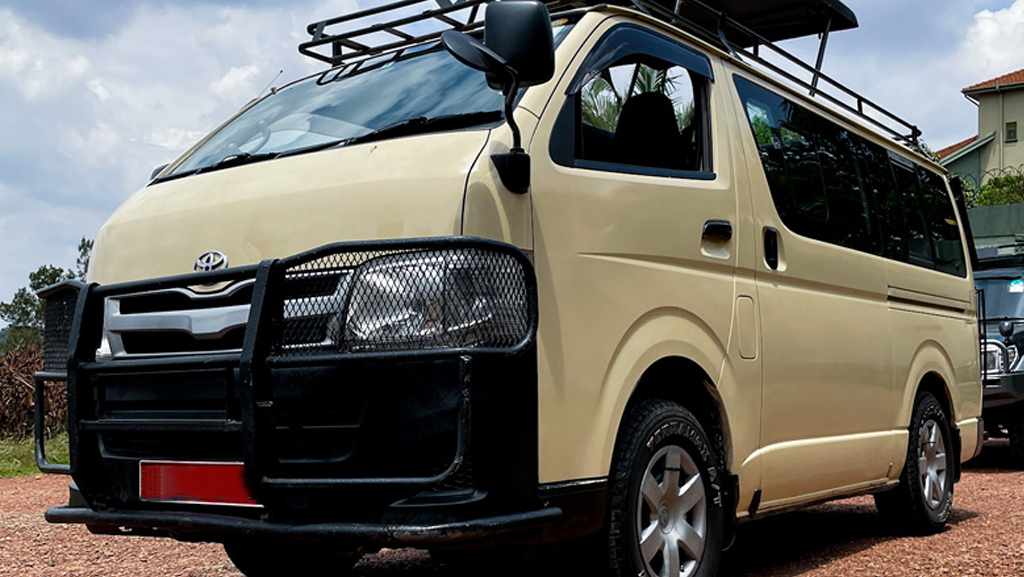
A self-drive Uganda experience offers freedom, flexibility, and a deeper connection to the country’s landscapes and culture. Instead of following a fixed itinerary, you control your pace, choose your stops, and explore hidden gems that many travelers miss. From national parks filled with wildlife to vibrant towns and remote countryside roads, self-drive Uganda trips deliver a sense of adventure that guided tours often cannot match.
However, that freedom comes with responsibility. Driving in a new country presents challenges, especially if you are unfamiliar with local road conditions, traffic rules, and cultural norms. Without proper preparation, small mistakes can quickly turn into stressful situations. The good news is that you can avoid most problems by planning carefully and staying informed.
Understanding how to navigate roads, interact with authorities, and handle unexpected situations will ensure your self-drive Uganda journey remains safe, smooth, and enjoyable.
Understand local driving rules before you start your trip
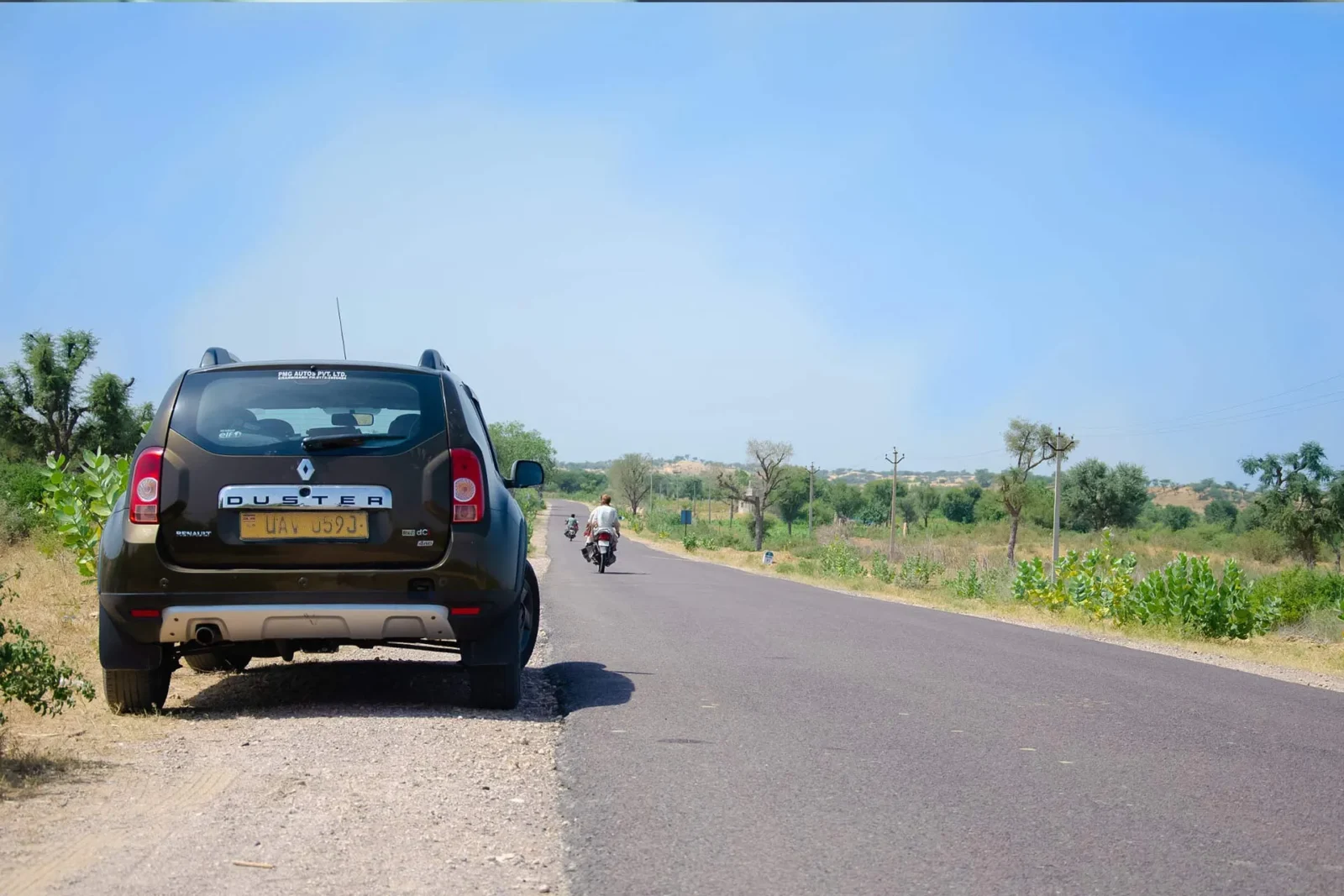
One of the most important steps in a successful self-drive Uganda trip involves learning the local driving laws. Uganda follows left-hand driving, which can feel unfamiliar if you come from a right-hand driving country. Taking time to adjust before heading onto busy roads will help you avoid confusion and accidents.
Speed limits vary depending on the area, and authorities enforce them regularly. Urban zones often require slower speeds, while highways allow slightly faster driving. Ignoring these limits can lead to fines or trouble with traffic police. Road signs may not always appear clearly, so you should remain attentive and cautious at all times.
You also need to carry the required documents whenever you drive. A valid driving license, preferably an international driving permit, and vehicle registration papers are essential. Keeping these documents accessible will save time and prevent complications if authorities request them.
Stay alert and drive defensively
Road conditions in Uganda can change quickly, making defensive driving essential for any self-drive Uganda experience. While major highways remain relatively smooth, many rural and park roads feature potholes, loose gravel, or uneven surfaces. These conditions demand patience and careful handling of your vehicle.
Other road users may behave unpredictably. Motorcycles, known locally as boda bodas, often weave through traffic, and pedestrians frequently cross roads without warning. Animals may also appear suddenly, especially in rural areas and near national parks.
Driving at a moderate speed allows you to react quickly to unexpected situations. You should avoid aggressive driving and maintain a safe distance from other vehicles. Staying calm and focused reduces your risk of accidents and helps you handle challenging conditions with confidence.
Be prepared for police checkpoints
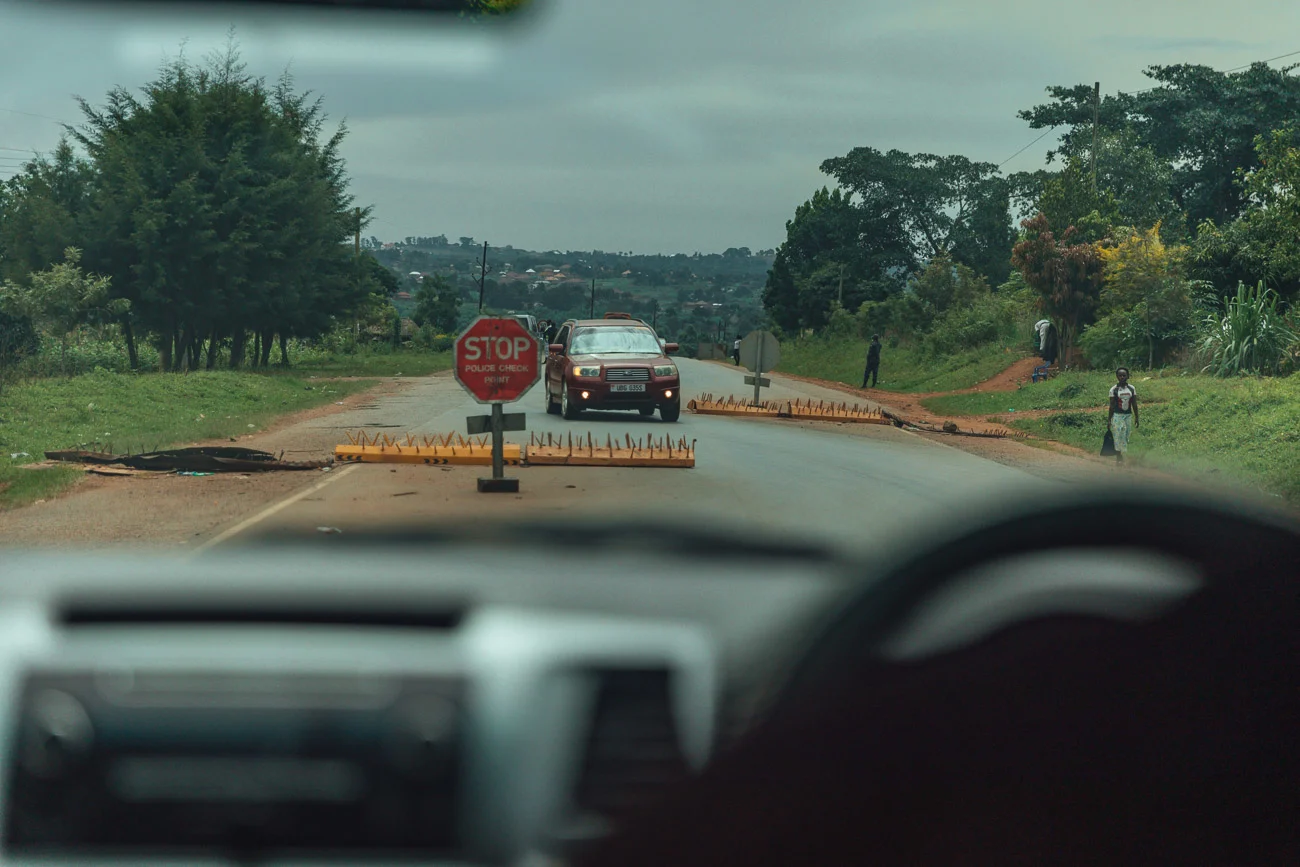
Police checkpoints form a normal part of any self-drive Uganda journey. You will encounter them on highways, near towns, and sometimes close to national parks. These checkpoints exist for safety and security, so you should approach them with patience and respect.
When you reach a checkpoint, slow down, follow instructions, and greet officers politely. They may ask for your driving license, vehicle documents, or rental agreement. Providing these without hesitation keeps the interaction smooth and professional.
Avoid offering bribes or engaging in arguments. If you follow the rules and keep your documents in order, you should have no trouble passing through checkpoints. Respectful communication goes a long way in ensuring a hassle-free experience.
Plan your routes and avoid night driving
Planning plays a crucial role in a successful self-drive Uganda trip. Roads may not always appear clearly on digital maps, and signage can sometimes be limited. Reviewing your route in advance helps you avoid getting lost or ending up on difficult roads.
Night driving presents additional risks. Limited street lighting, unpredictable road conditions, and reduced visibility make driving after dark more dangerous. Pedestrians and cyclists often move without reflective gear, increasing the chance of accidents.
Whenever possible, plan your travel so you reach your destination before sunset. Starting early in the day gives you enough time to navigate safely and enjoy the journey without rushing.
Choose the right vehicle for your Self-Drive Uganda adventure
Selecting the right vehicle can make a significant difference in your self-drive Uganda experience. A reliable 4×4 vehicle handles rough terrain, national park tracks, and rural roads much better than a standard car. Even during dry seasons, some routes require extra ground clearance and stability.
Before starting your trip, inspect the vehicle carefully. Check the tires, brakes, lights, and fuel levels. Ensure the spare tire and necessary tools are in good condition. Understanding how to use basic features, such as four-wheel drive, will help you manage challenging roads more effectively.
Working with a reputable rental company also reduces risks. Reliable providers offer well-maintained vehicles and clear guidance, giving you confidence as you travel.
Respect wildlife and park regulations
If your self-drive Uganda itinerary includes national parks, you must follow strict guidelines to protect both yourself and the wildlife. In parks like Queen Elizabeth, Muchison falls, Lake Mburo, Kidepo valley and others, animals move freely within these areas. Approaching them too closely can create dangerous situations.
Always keep a safe distance from wildlife and remain inside your vehicle unless you are in a designated safe area. Feeding animals or attempting to attract their attention can lead to serious consequences.
Park authorities provide rules for a reason. Following them ensures your safety and supports conservation efforts. Respecting these guidelines allows you to enjoy wildlife encounters without unnecessary risk.
Stay connected and prepare for emergencies
A successful self-drive Uganda trip requires preparation for unexpected situations. Mobile network coverage varies across the country, especially in remote areas. Informing someone about your travel plans ensures that others know your location in case of delays.
Carrying essentials such as water, snacks, a first aid kit, and a fully charged phone can make a big difference during emergencies. Offline maps or GPS devices help you navigate even when network signals disappear.
You should also keep emergency contact numbers readily available. Knowing who to call in case of breakdowns or medical issues provides peace of mind and allows you to respond quickly if problems arise.
Final thoughts
A self-drive Uganda adventure offers one of the most rewarding ways to explore the country. It gives you the freedom to discover stunning landscapes, encounter wildlife, and connect with local communities on your own terms. However, that freedom requires awareness, preparation, and responsible driving.
By understanding local rules, staying alert on the road, respecting authorities, and planning your journey carefully, you can avoid trouble and enjoy a smooth travel experience.
When you approach your journey with the right mindset, self-drive Uganda becomes more than just a trip. It transforms into an unforgettable adventure filled with discovery, independence, and lasting memories.