Gorilla Trekking in Uganda: A Once-in-a-Lifetime Wildlife Experience
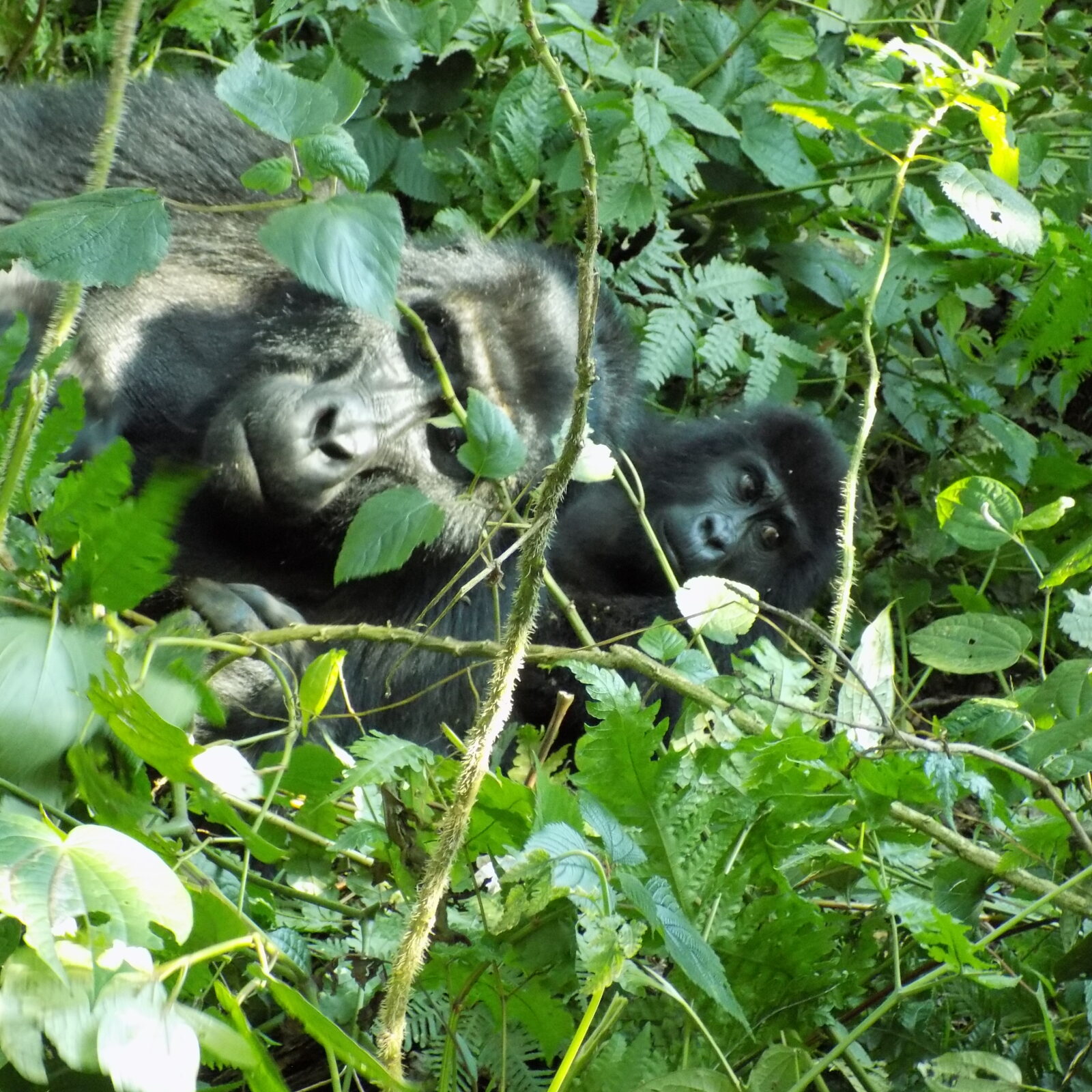
Gorilla trekking in Uganda offers one of the most extraordinary wildlife experiences in the world, allowing travelers to encounter the gentle giants of the forest—mountain gorillas—in their natural habitat. Uganda is home to over half of the world’s remaining mountain gorilla population, concentrated in two iconic parks: Bwindi Impenetrable Forest and Mgahinga Gorilla National Park. Trekking these remarkable primates is not only a chance to witness their intelligence, social behaviors, and strength up close, but it also supports vital conservation efforts that protect these endangered species and their forest ecosystems.
Why Uganda is the Prime Destination for Gorilla Trekking
Uganda’s Bwindi Impenetrable Forest, a UNESCO World Heritage Site, is renowned for its dense vegetation, misty highlands, and extraordinary biodiversity. Home to more than 400 mountain gorillas, Bwindi offers multiple trekking experiences suitable for varying levels of fitness and adventure. Mgahinga Gorilla National Park, smaller and less visited, provides an alternative trekking location with spectacular volcanic landscapes and opportunities to see gorillas alongside golden monkeys. The country’s commitment to conservation ensures that gorilla trekking is well-managed, sustainable, and deeply impactful for both wildlife and local communities.
The Gorilla Trekking Experience
Trekking begins with an early morning briefing from experienced park rangers, who provide guidance on park rules, safety, and etiquette around the gorillas. Hikes can vary from one to six hours, depending on the location of the gorilla families, the terrain, and the fitness of the group. While the journey can be physically demanding—through thick forests, steep slopes, and muddy paths—the reward is an intimate encounter with gorillas, often just a few meters away. Observing their social interactions, playful behavior, and gentle presence is a profoundly moving experience that creates memories to last a lifetime.
Preparing for Gorilla Trekking
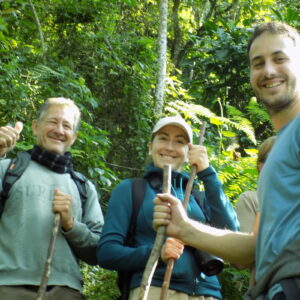
Preparation is key for a comfortable and safe trekking adventure. Travelers should wear long-sleeved shirts, long trousers, sturdy hiking boots, and carry waterproof jackets and gloves. Trekking poles are helpful for navigating steep or slippery terrain. Carrying snacks, water, and a camera (without flash) allows you to stay energized and capture the moment without disturbing the gorillas. First-time trekkers are encouraged to maintain a steady pace and follow ranger instructions carefully, ensuring both personal safety and the protection of the animals.
Responsible and Sustainable Trekking
Gorilla trekking in Uganda is designed to minimize human impact on the fragile forest ecosystem. Visitor numbers are limited, and each trekking group spends only one hour with the gorillas. These regulations help maintain the health and safety of the gorillas while providing a high-quality experience for travelers. Additionally, permits purchased for trekking contribute directly to conservation initiatives and local community development, ensuring that the benefits of tourism are felt widely.
Best Time for Gorilla Trekking
Uganda’s gorilla trekking season runs year-round, but the dry seasons—from June to September and December to February—are generally preferred for easier hiking conditions. The lush green scenery during the wet season offers stunning photographic opportunities, though trails can be slippery. Regardless of the season, each trek promises an unforgettable encounter with one of the planet’s most majestic creatures.
Making the Most of Your Gorilla Trekking Adventure
Pairing your trek with other nearby experiences can enhance your Uganda trip. Explore the crater lakes around Fort Portal, go chimpanzee trekking in Kibale Forest, or enjoy game drives in Queen Elizabeth National Park. Combining trekking with a self-drive safari, using a reliable 4×4 from Jungle Uganda Car Rental, allows travelers to design a fully immersive and flexible itinerary, discovering Uganda’s wildlife, landscapes, and culture at their own pace.
Gorilla trekking in Uganda is not just a safari—it is a transformative journey that connects travelers to wildlife conservation, breathtaking scenery, and the remarkable intelligence and sensitivity of our closest animal relatives. Every step through the forest is a step into one of the most precious wildlife experiences on Earth.